Witnesses say a driver U-turned and pinned Australian lawmaker Helen Haines against her car, leaving her critically injured and sparking a national counterterrorism probe.
Story Snapshot
- Police detained a 43-year-old driver after a vehicle struck MP Helen Haines outside her office.
- Reports say the vehicle passed, U-turned, and then hit Haines, suggesting an intentional act.
- Authorities charged a suspect with intentional injury and harming a federal official.
- A joint terrorism taskforce is investigating motive; officials say it is not yet known.
What Police And Officials Say Happened
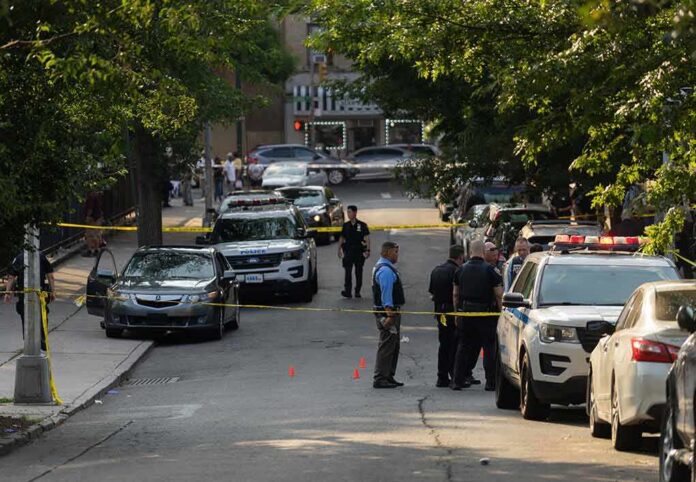
Victoria Police said a 65-year-old woman was hit around 3:35 p.m. on Murphy Street in Wangaratta, and officers detained a 43-year-old male driver at the scene. Prime Minister Anthony Albanese told the Australian Broadcasting Corporation that the car drove past Haines, turned around, and then allegedly drove into her, adding it appeared deliberate while the motive was unknown. Police described the vehicle as a white Toyota Land Cruiser, and bystanders helped stop the driver before arrest.
Reuters reported that a knife was found inside the vehicle, and that Haines was airlifted in critical condition after being pinned against her car. The Australian Broadcasting Corporation cited witnesses who heard a bang and saw a U-turn before impact. Police and national agencies formed a terrorism taskforce to examine whether ideology or politics played a role, but officials have not announced a motive. One brief note of caution from authorities: motive remained unclear during early statements.
Charges Filed And What They Mean
The Independent reported that police charged Brendan Nugent with intentionally causing serious injury, dangerous driving causing serious injury, and causing harm to a federal official. Those charges signal prosecutors allege purposeful conduct rather than a traffic mishap. Criminal charges are allegations, not proof, and the court process will test the evidence. Still, the specific counts align with witness accounts of a U-turn and strike, and with the Prime Minister’s early description of an apparent deliberate act.
CNN noted that the Prime Minister’s remarks about a deliberate act came before police had fully interviewed the suspect, creating a gap between political statements and investigative results. Police had not initially confirmed the suspect’s name or motive, even as media identified Nugent, which is common in fast-moving cases but can cause confusion. Officials stressed that national and state investigators were involved to ensure they did not miss signs of a political or ideological link, not because such a link was proven.
Why This Matters Beyond One Case
Australia has faced a sharp rise in threats and harassment of public officials. A Parliamentary Library brief reported more than 1,000 threats of political violence in 2023–24, nearly double two years prior. Researchers say vehicle attacks are a known method for lone actors and others because cars are easy to access and can cause serious harm in public spaces. That risk forces a balance between open access to leaders and basic safety at the local offices where citizens seek help.
Latest from our AAP #news feed #auspol
Accused driver to face court as MP fights for life.
A man accused of striking independent MP Helen Haines with his vehicle in an allegedly targeted attack is set to face court on multiple charges…. https://t.co/WaWNw6MWtS— Kim Wingerei (@kwingerei) October 20, 2026
People across the political spectrum see a common failure when leaders cannot keep public life safe. When violence enters civic spaces, everyday people lose access and trust, and the powerful often retreat behind more barriers. This case highlights a hard truth: security should protect open debate, not choke it. Clear facts, steady law enforcement, and court-tested evidence are the best way to punish real crimes and avoid turning fear into policy that hurts the public square.
Sources:
townhall.com, afp.com, abc.net.au, abcnews.com, cnn.com, independent.ie