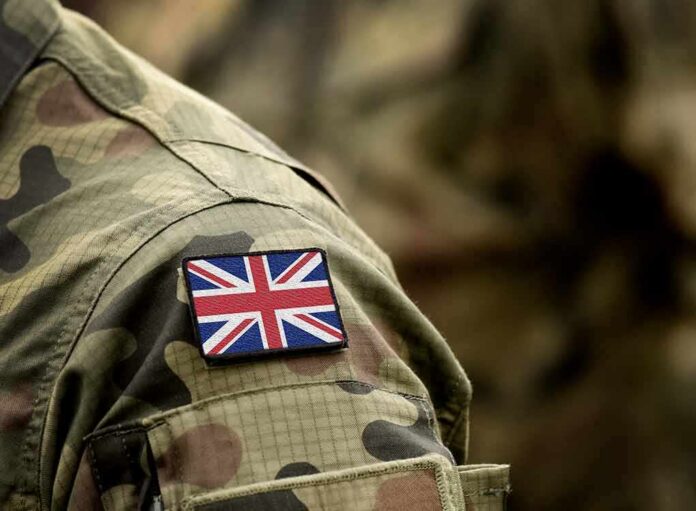
Britain quietly contacted about 100,000 former service members to refresh skills and contact details, the first mass outreach of its kind since the Cold War, signaling a more serious push to rebuild readiness while stopping short of a call-up.
Story Snapshot
- The Ministry of Defence wrote to roughly 100,000 Strategic Reserve veterans to update records and skills.
- The effort follows a 2025 review ordering stronger ties with the Strategic Reserve and better mobilization plans.
- Officials frame this as preparedness and volunteer training opportunities, not an imminent recall.
- Parliamentary reports show the reserve system needed fixes after years of uneven performance.
What The Ministry of Defence Actually Did
The Ministry of Defence sent letters to about 100,000 former personnel in the United Kingdom’s Strategic Reserve. The letters asked veterans to confirm where they live, list new civilian skills, and consider volunteer training and exercises. Officials linked the move to improving national readiness as threats rise in Europe. Outlets described it as the first such outreach since the Cold War and tied it to building a clearer picture of who could be mobilized if needed.
Reports emphasized that the letters do not mean a call-up is underway. The Ministry of Defence framed the step as routine preparedness and a way to refresh data that may be out of date. Coverage noted offers to volunteer for training, including large North Atlantic Treaty Organization exercises, as part of a wider plan to raise the country’s ability to scale up in a crisis. The focus stays on mapping skills, improving contact, and rebuilding systems that had lagged.
Why The Outreach Happened Now
The government’s Strategic Defence Review in 2025 told the Ministry of Defence to reengage the Strategic Reserve and map where reservists live and what they can do. The review said the Strategic Reserve is central to mobilization and must be integrated better across the force. This step aligns with that direction and suggests an effort to restore mass and resilience for emergencies. It aims to fix gaps that would slow any surge in manpower and skills during a crisis.
Parliament’s Defence Committee has pressed the point for years. Witnesses told lawmakers that the United Kingdom did not have a properly functioning reserve and that services had not figured out how to use reserves in a steady, sustainable way. The committee’s work highlighted poor information flows, thin readiness data, and the risk that assumptions would fail under stress. The current outreach responds to those critiques by cleaning the contact lists and skill inventories now, not during a shock.
What Changes In Law And Policy Mean
The government has moved to strengthen the Strategic Reserve through legislation. A January 2026 update said new measures through the Armed Forces Bill would grow the pool of former personnel who could be called in a crisis. Leaders welcomed the push to widen access to skills and experience built in service and in civilian life. This policy line matches the letter campaign’s aim: expand the bench, know who is available, and make it easier to tap that help if conditions demand it.
The Ministry of Defence and press reports described the letters as offering a pathway to volunteer for training and exercises, including major North Atlantic Treaty Organization events. That approach trains muscle memory before it is needed. It also shows allies that Britain intends to raise readiness with practical steps. The move fits a broader European pattern of repairing logistics, stockpiles, and mobilization plans after years of underinvestment, while keeping formal recall thresholds high.
How This Fits A Longer History Of Mobilization
Britain has long leaned on former regulars when war broke out. During the First World War, ex-regulars formed a large share of early infantry manpower. In the 1990–91 Gulf War, the Strategic Reserve saw its most recent large-scale use, when around 1,700 reservists were called up according to Ministry of Defence evidence to Parliament. Today’s letters do not trigger anything like that. They instead rebuild the system that would make any future call-out faster and more precise.
The UK is writing to former personnel about its Strategic Reserve. The RAF puts the reserve at about 95,000. These letters are not a call-up: recipients remain civilians unless formally recalled. Changes in the Armed Forces Bill are still proposals. https://t.co/ukphRK7K8U
— Miko Reports: (@MikoReports) November 26, 2026
Experts and officials have framed the outreach as prudent rather than a sign of immediate conflict. That view tracks with the government documents and the letter’s content. The task now is administrative and practical: verify who is reachable, confirm skills, and create options. For readers who worry about elite mismanagement, this is the kind of basic competence that often goes missing. The outcome will depend on steady follow-through, clear rules, and honest reporting on readiness gains.
Sources:
army.mod.uk, uk.news.yahoo.com, independent.ie, walesonline.co.uk, lbc.co.uk, gov.uk, jen.jiji.com