The White House drew a hard line on Cuba with a new sanctions order that now threatens penalties on foreign companies that help keep Havana’s cash machine running.
Story Snapshot
- Executive Order 14404 expands Cuba sanctions and enables secondary sanctions on non-U.S. actors.
- The State Department sanctioned Cuba’s military-run conglomerate GAESA and named associated individuals.
- Further sanctions hit Cuban political and military leaders, signaling a wider pressure campaign.
- China’s support and continued trade blunt U.S. leverage, while Cuba’s regime remains in power.
What Executive Order 14404 Actually Does
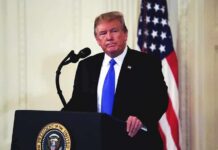
President Donald Trump signed Executive Order 14404 on May 1, 2026. The order targets those tied to repression in Cuba and threats to United States security and foreign policy. It authorizes blocking sanctions, visa limits, and, crucially, secondary sanctions. That means foreign firms and banks face risk if they help sanctioned Cuban entities. Law firms tracking compliance warned that non-United States institutions now face higher exposure for Cuba-linked deals under the order.
The order builds on decades of embargo rules but goes further on reach. It seeks to raise the cost for global partners that move money, goods, or services for Cuba’s power structure. The aim is to hit the regime’s revenue streams, not just limit direct United States trade. Supporters say this closes past loopholes. Critics say secondary pressure can strain allies and push business into opaque channels, reducing oversight rather than abuse.
Sanctions Move From Rules To Named Targets
On May 7, the United States State Department designated GAESA, the Cuban military’s business empire, and three associated individuals. GAESA controls key sectors like tourism, retail, and ports. Sanctioning it tries to choke off the regime’s main source of hard currency. The Department said these steps enforce the executive order and go after elites who profit while repressing citizens, putting global banks and partners on notice about counterparty risk.
On May 18, the United States added sanctions on eleven Cuban figures, including senior political and military leaders, and targeted the intelligence service. The move widened pressure beyond business channels to core state actors. News reports framed it as a clear message to regime insiders that access to the global financial system now comes at a price. These actions signal a campaign, not a one-off step, with more designations likely if networks shift to evade controls.
Energy Squeeze, Diplomacy, And The China Factor
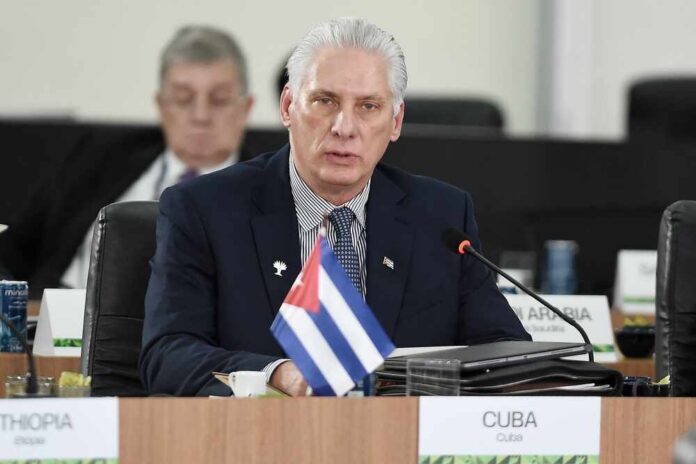
United States actions also tried to limit fuel reaching Cuba. Reports described blocked oil shipments in early 2026 and pressure that forced talks. Cuba’s leader, Miguel Díaz-Canel, publicly confirmed in March that his government held diplomatic talks with the United States over the oil squeeze. That shows the campaign created leverage. But talks did not yield a political transition. The regime stayed in charge, and daily hardships for Cubans grew during shortages and blackouts.
China and Russia stepped into the gap. Reporting and analysis say both countries expanded their presence in Cuba, including intelligence operations near the United States. China also delivered cargo, including food, to Havana. That blunts the impact of sanctions and highlights a multipolar world where rivals test United States resolve close to home. These moves feed public worry that great power games, not people’s needs, drive policy on all sides.
Why This Fight Resonates With U.S. Voters
Many Americans on the right and left see a pattern. Leaders promise tough action, but entrenched elites and foreign interests adapt. Sanctions often hurt regular people first. Companies and banks with global ties look for workarounds. In Cuba’s case, the legal framework also ties United States hands. The 1996 Helms-Burton law makes lifting core sanctions hard without a political transition, which has not happened. That legal lock limits the “deal” space.
Washington exported nearly 100 million barrels of Venezuelan oil worth roughly 8 billion dollars during a months-long pressure campaign against Nicolas Maduro, then offered a reported 300 million dollars in earthquake relief against damage estimates near 7 billion, and called it… pic.twitter.com/aO3xc9pRf7
— 🔻agitprop + absurdity🔻 (@agtprpnabsrdty) July 3, 2026
The result is a stalemate. Washington can tighten screws and name more targets. Havana can lean on allies and state control. Beijing can score points by filling gaps and daring the United States to escalate. Voters see cost and risk, but few wins that make their lives better. That fuels distrust of a system that seems to serve insiders while telling citizens to wait for success that rarely arrives.
What To Watch Next
First, watch if secondary sanctions hit a major non-United States bank or shipping firm. That would test global compliance and allied support. Second, track any verified data on fuel flows into Cuba. Clear numbers would show whether the squeeze still bites. Third, look for new designations within GAESA’s web. Piercing shell layers could freeze more money. Finally, monitor China’s public stance and cargo traffic. Each delivery weakens United States leverage and raises the stakes for both sides.
Sources:
debevoise.com, reuters.com, state.gov, wilmerhale.com, en.wikipedia.org, whitehouse.gov, hklaw.com