Bulgaria’s latest election shock could hand the Kremlin a new pressure point inside the EU and NATO—through the ballot box, not the battlefield.
Quick Take
- Exit polls from Bulgaria’s April 19 snap election show former President Rumen Radev’s Progressive Bulgaria coalition far ahead, with roughly 37–44%.
- The vote is Bulgaria’s eighth parliamentary election in five years, underscoring voter fatigue and a system stuck in repeat deadlock.
- Radev is widely described as skeptical of Ukraine military aid and Russia sanctions, raising questions about Sofia’s direction inside the EU and NATO.
- Even with a landslide lead, Progressive Bulgaria may still need coalition partners—meaning Bulgaria’s future could hinge on post-election dealmaking.
Exit Polls Put Radev’s New Coalition in Command
Exit polls released after polls closed on April 19 projected a decisive lead for Progressive Bulgaria, the coalition built around former president Rumen Radev. Estimates placed the coalition at roughly 37–44% of the vote, while the long-dominant GERB-SDS bloc trailed far behind in the low-to-mid teens. Radev told reporters he had secured an “uncontested victory,” and GERB leader Boyko Borisov publicly conceded via Facebook.
The gap matters because Bulgaria has spent years cycling through short-lived parliaments and caretaker arrangements. A single list scoring at the high end of the exit-poll range would be Bulgaria’s strongest showing in a generation, according to reporting that cited polling and analyst commentary. Final results were not yet confirmed in the research provided, and exit polls can shift, but the direction of travel looked unmistakable by election night.
Why Bulgarians Keep Voting: Deadlock, Corruption Fears, and Fatigue
Bulgaria’s snap election was the country’s eighth parliamentary contest in five years, a pace that reflects coalition breakdowns, party fragmentation, and corruption accusations that repeatedly derail governing deals. Voter exhaustion has become part of the political landscape; the research notes low turnout without giving a precise figure. Radev stepped down as president in January 2026 to lead his new political project, betting that public anger at dysfunction could be converted into a mandate.
That anti-establishment appeal has a familiar ring for Americans who believe politics is too often about career protection rather than problem-solving. Bulgarian politics is not U.S. politics, but the underlying dynamic—institutions failing to deliver basic competence—translates across borders. The caution for Bulgaria is that “change” can mean genuine reform, or it can mean swapping one power network for another, especially when a dominant winner still must bargain to form a majority.
The Foreign-Policy Fault Line: Ukraine Aid, Sanctions, and EU Unity
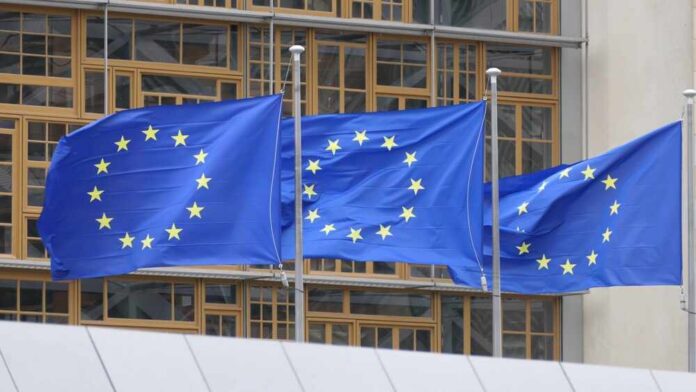
Bulgaria sits inside both the EU and NATO, so its internal politics can ripple outward. The research describes Radev as Euroskeptical and sympathetic to Russia, highlighting his criticism of Ukraine aid, sanctions on Moscow, and Ukraine’s NATO and EU ambitions. Some coverage also notes debate over how blunt the “pro-Russian” label is, arguing his approach can look more like opportunistic skepticism than outright alignment—yet the policy consequences can be similar.
For the EU, the practical question is whether Sofia becomes another internal obstacle on issues that require unity, such as sanctions and military support for Ukraine. For NATO, the concern is reliability on the alliance’s eastern flank at a time when Russia’s regional leverage remains a central security challenge. The research also frames this election as particularly notable given a recent political setback for Hungary’s Viktor Orban, implying the wider European picture is fluid, not settled.
Coalition Math Could Decide Whether Bulgaria Turns West—or Wobbles
Even with a landslide lead, Progressive Bulgaria may fall short of a governing majority, forcing coalition negotiations. The research points to uncertainty about whom Radev would approach: pro-EU reformists, more Russia-friendly factions, or some hybrid arrangement designed to keep power while reducing friction abroad. That uncertainty is not a side issue; it is the story. In parliamentary systems, the platform that matters is often the one that survives coalition bargaining.
From a conservative, limited-government lens, the most important near-term test is whether a new majority delivers stability and anti-corruption reforms without drifting into “soft veto” behavior against Western security policy. Bulgarians have been asked to vote again and again because elites failed to form durable governments. If this outcome simply reshuffles the same incentives—patronage, fragmentation, and foreign-policy ambiguity—public trust is likely to erode further.
Bulgaria's Former Pro-Russian President Set For Landsllde Election Win https://t.co/xtdMA2PqN9
— zerohedge (@zerohedge) April 20, 2026
The next hard datapoints will be final certified results and the first coalition signals: who gets invited to talks, what portfolios are demanded, and whether commitments on sanctions and Ukraine support are reaffirmed or watered down. The research provided does not include final counts or a coalition agreement, so conclusions should stay disciplined. Still, exit polls alone suggest Bulgaria may be entering a new phase—either a reset toward effective governance or a new kind of instability with higher geopolitical stakes.
Sources:
Bulgaria’s pro-Russian former president set for landslide win, exit polls show