Federal agents just proved there is no safe haven for those accused of stealing from hungry children, even if they run halfway around the world.
Story Snapshot
- A Minnesota man charged in the $250 million “Feeding Our Future” fraud was captured in Mogadishu after years on the run.
- Prosecutors say he helped turn a child nutrition program into a cash pipeline using fake meal sites and shell companies.
- The case shows how weak oversight in federal food programs lets insiders and nonprofits siphon off taxpayer money.
- Dozens of others have already been convicted, but the government still struggles to recover what was stolen.
How a Child Nutrition Program Became a Massive Fraud Engine
Federal prosecutors say the Feeding Our Future nonprofit used a pandemic child nutrition program as a giant cash pipeline, not a safety net for kids.[1] The group claimed to run hundreds of meal sites for low-income children across Minnesota, but many locations served few or no meals at all.[5] Fake rosters and inflated meal counts let them bill the government for millions of meals that never happened, while taxpayers picked up the tab.[3] Instead of feeding hungry children, the money went into bank accounts, luxury cars, real estate, and travel.[3] This was not a small mistake or paperwork error. Officials describe it as the largest COVID-19 relief fraud scheme in the country, with more than $240 million in federal child nutrition funds stolen.[3]
Feeding Our Future staff did not do this alone. Prosecutors say they built a web of shell companies to pose as food sites and to hide the money they took.[1] Employees allegedly signed up fake sites, approved their billing, and then took kickbacks disguised as “consulting fees.”[1] These shell companies made the operation look legitimate on paper while letting insiders wash fraud money through business accounts.[3] In just two years, the nonprofit’s federal funding jumped from about $3.4 million to nearly $200 million, even though real meal service did not grow in any honest way.[3] That sudden spike should have been a red flag, yet the program kept paying bills with little on-the-ground checking.
Who Is the Man Arrested in Mogadishu?
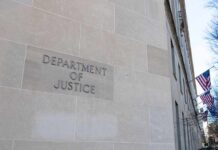
Against this backdrop, prosecutors say Abdikerm Abdelahi Eidleh was one of the central players inside Feeding Our Future.[4] A Department of Justice press release states he was formally indicted in 2022 on 31 counts, including conspiracy to commit wire fraud, wire fraud, federal programs bribery, and money laundering.[4] The charging documents claim he was responsible for recruiting and supporting meal sites and that he solicited bribes from operators who wanted their sites approved.[4] These payments were allegedly labeled as “consulting fees” and routed through shell companies he controlled to hide their true nature.[4] One section of the indictment states that more than $5 million in kickbacks, bribes, and fraud proceeds flowed into accounts tied to those companies.[4]
Court papers also say Eidleh created his own fake child nutrition sites using nominee owners, people listed on paper while he allegedly pulled the strings behind the scenes.[4] These sites reportedly claimed to serve thousands of meals every day, even though little food ever reached children.[2] That allowed them to bill the government for huge amounts while providing almost nothing of real value. Justice Department officials have called him a “central figure” in the larger scheme, linking his actions to a fraud total estimated around $250 million.[2] At the same time, it is important to remember that an indictment is only a set of allegations. As of now, there is no public trial record or verdict confirming his guilt, and he is legally presumed innocent until proven otherwise.[2]
The Global Manhunt and Arrest in Somalia
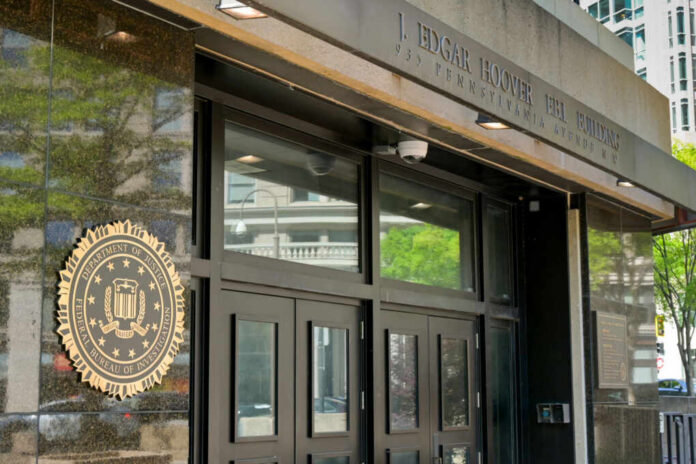
After Eidleh was indicted in 2022, officials say he fled the United States and disappeared overseas.[4] For several years, federal agents and prosecutors refused to share details about how they were trying to find him, which fueled talk on both sides about government competence and transparency.[10] That silence ended on June 25, 2026, when the Federal Bureau of Investigation (FBI) announced that agents, working with Somalia’s National Intelligence and Security Agency, had taken him into custody in Mogadishu.[3] Social posts from FBI Minneapolis and related accounts described him as a defendant in the Feeding Our Future case who had finally been located and arrested.[6] The joint arrest shows how far American law enforcement will go when large sums of taxpayer money and public trust are on the line.[3]
U.S. authorities say Abdikerm Abdelahi Eidleh, a defendant in the Feeding Our Future fraud case, was arrested in Mogadishu and is accused of helping orchestrate a multimillion-dollar fraud scheme. #somalia
Read More:https://t.co/zPsPMcGV4u pic.twitter.com/DgsR5UGg2q— Dawan Africa (@DawanAfrica) June 28, 2026
The arrest in Somalia raises real questions that matter to people on both the left and the right. Some worry about international cooperation that feels opaque, with foreign intelligence agencies playing a role in a U.S. criminal case.[3] Defense lawyers may later challenge how the arrest and evidence were handled overseas. Others focus on why it took years to track down a man accused of stealing from hungry children while the federal government spends hundreds of billions each year on social programs. For many citizens, this delay confirms a belief that the system is slow to protect taxpayers but quick to protect insiders.
A Symptom of Deeper Problems in Federal Welfare Programs
The Feeding Our Future scandal is not an isolated story. Research on the Supplemental Nutrition Assistance Program, often called food stamps, shows that improper payments rose from just over 2 percent in 2012 to more than 10 percent in 2023, costing taxpayers around $10 billion a year.[14] Analysts note that weak checks on eligibility, poor data sharing, and “community eligibility” rules, where whole schools qualify for free meals, make it easy for fraud to slip through.[15] In Minnesota, officials were warned about Feeding Our Future years before the case exploded, yet they not only failed to act, they even asked the nonprofit to investigate complaints about itself.[15] That kind of closed loop looks to many Americans like the “deep state” watching its own shop, not protecting the public.
By early 2026, dozens of people tied to Feeding Our Future had already pleaded guilty or been convicted, including ringleader Aimee Bock, who received more than 41 years in prison and was ordered to pay over $240 million in restitution.[3][5] Yet federal prosecutors say they have recovered only a fraction of what was stolen, as much of the money went to luxury spending or overseas assets that are hard to seize.[5][8] For taxpayers, that means the damage is long-lasting. For families who truly needed help with food during the pandemic, it means resources were drained while fraudsters profited. Whether you blame big government, weak oversight, or greedy insiders, the end result is the same: the system failed the very people it was built to serve.
Sources:
[1] Web – $250 Million Minnesota Fraudster Finally Nabbed — in Mogadishu
[2] Web – U.S. Attorney Announces Federal Charges Against 47 Defendants in …
[3] Web – Feeding Our Future fraud: Ringleader arrested in Somalia after 4 …
[4] Web – FBI – Federal Bureau of Investigation – Facebook
[5] Web – Man Taken into Custody in Somalia for Role in Feeding Our Future …
[6] Web – Man Taken into Custody in Somalia for Role in Feeding Our Future …
[8] Web – #News Man Taken into Custody in Somalia for Role in Feeding Our …
[10] Web – Accused orchestrator in Feeding Our Future fraud scheme arrested …
[14] Web – Reducing Waste and Fraud in SNAP | Mercatus Center
[15] Web – Curbing Waste, Fraud, and Abuse in Federal Welfare Programs