Norway seized a Russian state-owned cruise ship in Svalbard under a court order to help enforce a multibillion-dollar award linked to Russia’s seizure of Crimean assets.
Story Snapshot
- A Norwegian court ordered the arrest of the Professor Molchanov in Svalbard to back Ukraine’s Naftogaz award.
- A 2023 tribunal told Russia to pay about $4.22 billion plus interest over Crimea-era asset seizures.
- Russia condemned the move as illegal and vowed to appeal, calling it “piracy” and a treaty breach.
- The case shows how hard it is to collect from a state due to sovereign immunity rules.
What Norway Did and Why It Matters
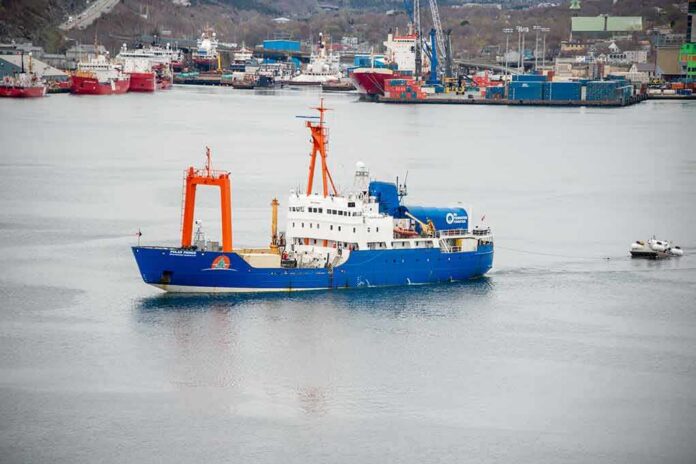
Norwegian officials arrested the Russian vessel Professor Molchanov in Barentsburg, Svalbard, after a district court order dated August 31. Authorities said the arrest supports efforts by Ukraine’s state energy firm Naftogaz to collect on an arbitration award. The Governor of Svalbard confirmed control of the ship under court authority. The vessel cannot leave port while the case proceeds. The action targets a state asset that appears to be used for commercial activity.
The enforcement push stems from a 2023 award by a tribunal seated in The Hague. The tribunal found Russia liable for taking Naftogaz assets in Crimea after the 2014 annexation and ordered payment of about $4.22 billion plus interest and costs. Naftogaz and several related companies won compensation tied to gas fields, pipelines, and the Black Sea producer Chornomornaftogaz. Interest pushes the total higher over time if unpaid.
Russia’s Objections and Next Legal Steps
Russian officials rejected the ship’s arrest and framed it as unlawful. The Russian Foreign Ministry called the move “piracy,” and the embassy in Oslo labeled it politically driven. Moscow said it filed a strong protest with Norway and claimed a breach of the 1920 Svalbard Treaty. Russia’s ambassador said lawyers will appeal the Norwegian court decision and defend Russia’s interests through legal channels.
The court order means the case will now test which assets can be seized to back the award. Russia can argue sovereign immunity from execution, which often shields state property from collection. Creditors try to show the property is used for commercial, not sovereign, purposes. Courts then decide if an exception applies. These fights can last months or years, even when the award is final.
The Bigger Pattern: Winning Is Easier Than Collecting
This dispute fits a global pattern in state debt cases. Tribunals often grant big awards against countries, but collecting is tough. Two barriers loom large: immunity from suit and immunity from execution. Even after courts accept jurisdiction, the execution stage can stall. Creditors must find attachable assets and prove commercial use. States then raise immunity defenses or claim treaties block the action. Results vary by country and by asset type.
Norway has seized the Russian vessel Professor Molchanov at the request of Naftogaz.
The seizure was ordered to enforce the Hague arbitration award requiring Russia to pay $4.22 billion to the Ukrainian company. The vessel is in the port of Barentsburg and cannot leave until… pic.twitter.com/5w6vPIyH5r
— Military Summary (@MilitarySummary) September 3, 2026
For many readers, this looks like elites fighting over paper while real costs rise. That view sees a system that punishes late more than it protects early. Supporters say enforcing awards upholds the rule of law and deters land grabs. Critics fear tit-for-tat seizures, more strain in the Arctic, and higher energy and shipping costs. Both sides agree on one point: when governments refuse to pay, trust in institutions erodes and people pay the price.
Sources:
thegatewaypundit.com, united24media.com, euronews.com, abcnews.com, diplomacyandlaw.com, dailyjus.com, brusselstimes.com, naftogaz.com, rt.com, tass.com, aa.com.tr, eadaily.com