The federal watchdog for tribal gambling is operating without a chairperson, and that gap is already slowing a major casino deal in Oklahoma.
Quick Take
- The National Indian Gaming Commission has been without a Senate-confirmed chair since early 2024, and its acting chair’s term ended in January 2026.
- A Harrah’s-branded casino deal in Chandler, Oklahoma, has stalled because the commission cannot fully act without that top office filled.
- The agency says some daily functions continue through delegation, but key powers tied to the chair remain limited.
- The vacancy comes as tribal gambling reached a record $46 billion in 2025, making oversight and approvals more important, not less.
Why the vacancy matters now
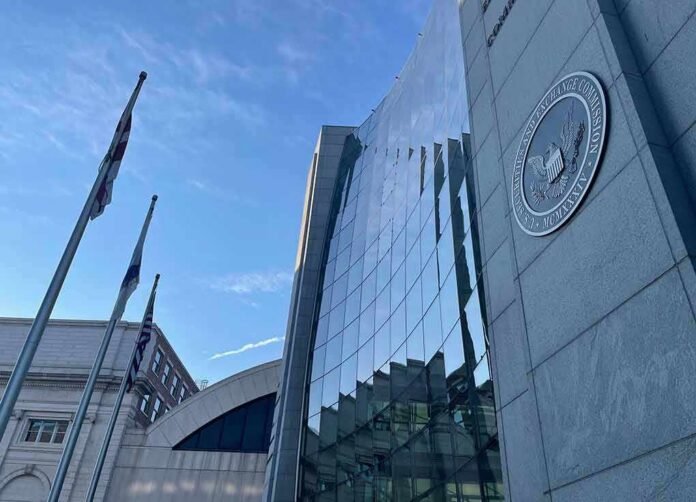
The National Indian Gaming Commission oversees tribal gaming across the country, but it is not fully staffed at the top. Its own bulletin says Acting Chair Sharon Avery’s term expired on January 12, 2026, and that she returned to her role as associate commissioner the next day. That left the agency without an acting or permanent chair, even as it continued basic operations through earlier delegations.
The missing chair matters because the commission’s strongest powers sit with that office. The bulletin says chair authority covers hiring, supervision, procurement, temporary closure orders, proposed civil fines, and approval steps tied to gaming operations. Reporting from the Associated Press says the agency has been unable to carry out some enforcement duties and management approvals without a chairperson, which means the vacancy is more than a symbolic problem.
How the Oklahoma casino deal got stuck
The clearest example is in Chandler, Oklahoma, where the Iowa Tribe opened a new Harrah’s-branded casino in April. Plans for Harrah’s parent company to take over day-to-day management have stalled, because the federal commission that must sign off on that arrangement has no chairperson in place. The result is a business deal that can move in branding, but not in the legal steps needed for full management transfer.
Industry leaders warn that this kind of delay can ripple far beyond one casino. A former National Indian Gaming Commission chair told the Associated Press the agency is operating “with one arm tied behind its back,” while tribal gaming leaders say the vacancy could slow deals, weaken oversight, and leave tribes with less support in Washington as prediction markets and other competitors grow. The commission declined an interview request, but said tribal officials and field staff still provide strong regulation.
What the wider picture shows
This leadership gap also points to a familiar problem in federal oversight. When a small agency depends on a single politically appointed leader, a vacancy can leave it technically alive but practically limited. The National Indian Gaming Commission’s own bulletin shows that some authority can be delegated, yet not all of the chair’s powers can be replaced that way. That split helps explain why the agency can keep working, but not at full strength.
The timing makes the gap more serious. Tribal gambling brought in a record $46 billion in 2025, according to the reporting, and the commission’s work affects more than casino paperwork. It also touches enforcement, management agreements, and public trust in an industry tied to jobs and tribal revenue. In that setting, a vacant chair is not just a Washington personnel issue. It is a bottleneck that can shape who gets approved, who waits, and who carries the risk.
Sources:
washingtontimes.com, nigc.gov, tribalgaming.com