UK Prime Minister Keir Starmer initially blocked President Trump’s request to use British bases for strikes against Iran, only reversing course after Iranian attacks directly threatened British personnel and citizens—a delay that strained the special relationship and revealed dangerous hesitation in protecting allied interests.
Story Snapshot
- Starmer refused Trump’s initial request for British base access during US strikes on Iran, citing post-Iraq War caution
- Iran responded by attacking British-occupied bases in Cyprus and Bahrain, forcing Starmer to authorize limited defensive operations
- Trump publicly criticized the UK leader, saying the relationship is “not what it was” and comparing him unfavorably to Churchill
- Starmer approved use of only two bases, Gloucestershire and Diego Garcia, for defensive missile targeting, explicitly excluding offensive operations
- Over 200,000 British citizens remain at risk in the Middle East as Iran pursues scorched-earth tactics
Starmer’s Initial Refusal Endangers British Interests
Starmer blocked President Trump’s request to use British military bases when the United States launched strikes against Iranian targets in late February 2026. The UK Prime Minister denied access to critical installations including the Akrotiri base in Cyprus, even as Iran escalated attacks across the Middle East. This decision left American forces without key logistical support at a moment when swift action was needed to protect allied interests and neutralize Iranian missile capabilities threatening the region.
Iranian Attacks Force Policy Reversal
Iran responded to the initial US strikes by launching drones and missiles at British-occupied facilities, including a direct hit on the Akrotiri base Starmer had refused to open for American operations. Iranian forces also struck a Bahrain installation housing British personnel, putting UK citizens directly in harm’s way. Facing over 200,000 British nationals at risk across the Middle East and mounting attacks on British interests, Starmer reversed his position Sunday evening. He authorized limited use of bases in Gloucestershire, England, and Diego Garcia in the Indian Ocean for what he termed “specific and limited defensive purposes” targeting Iranian missile storage facilities and launchers.
Trump Publicly Rebukes Weak UK Leadership
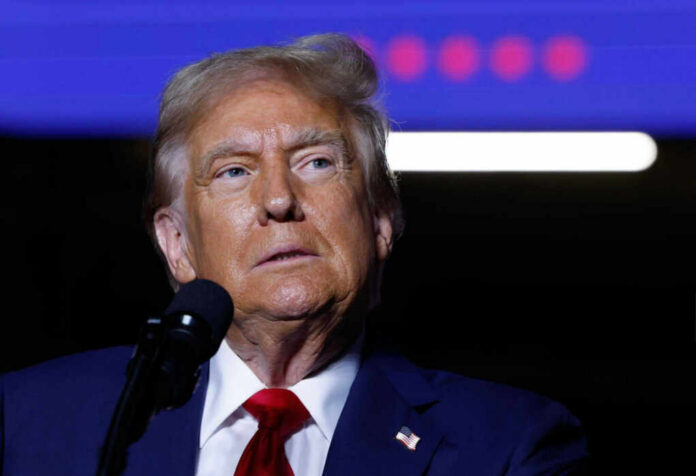
President Trump did not mince words in criticizing Starmer’s hesitation during interviews with The Sun and other outlets. The President stated the special relationship was “not what it was” and described Starmer’s performance as falling far short of Winston Churchill’s wartime leadership. Trump expressed frustration that the UK had proven “not helpful” during a critical moment when decisive action could have prevented Iranian escalation. The public rebuke highlighted growing tensions between Washington and London, with Trump suggesting he might look more favorably toward France and Germany for reliable partnership in future operations.
Limited Authorization Reveals Flawed Priorities
Starmer defended his cautious approach in Parliament by citing lessons from the Iraq War and insisting on a “legal basis” and “clear plan” before committing British resources. While he authorized intelligence sharing and allowed UK jets to intercept Iranian drones and missiles, Starmer explicitly refused to join offensive strikes or permit use of Akrotiri for American bombers. The Prime Minister framed his position as preventing “regime change from the skies” and supporting international law through collective self-defense. However, his initial refusal to act until British lives were directly threatened reveals a dangerous reluctance to stand firmly with America against Iranian aggression. This hesitation undermines the principle that threats to allied security demand immediate, unified response rather than legalistic delay.
The strained relationship between Trump and Starmer sets a troubling precedent for future cooperation when rapid decisions are essential. Starmer’s spokesperson maintained that the alliance remains intact across security and trade, but the damage from this episode is clear. When American leadership called for partnership against a regime pursuing nuclear weapons and terrorizing the region, Britain’s response was bureaucratic caution rather than resolute action. UK jets now patrol Middle Eastern skies intercepting threats, and US planes operate from British bases targeting Iranian missile infrastructure—actions that should have begun immediately rather than waiting for British blood to be spilled. The 200,000 British citizens in the region deserved protection before attacks landed on their doorstep, not after.
Sources:
Starmer says US planes flying out of UK bases ‘special relationship in action’
‘I’m not happy with the UK’: Donald Trump criticizes Keir Starmer over military access
War with Iran strains the US-UK relationship as Starmer and Trump disagree