President Trump’s bold declaration of a national emergency against Cuba’s communist regime delivers a powerful strike at its oil lifeline, but real freedom for the oppressed Cuban people demands dismantling the entire tyrannical system.
Story Highlights
- Trump issues Executive Order on January 29, 2026, declaring Cuba an “unusual and extraordinary threat” to U.S. security due to its alliances with Russia, China, and terror groups.
- New tariffs target third-country oil suppliers fueling Cuba’s regime, using novel emergency powers under IEEPA to squeeze its economy without direct trade.
- Actions reverse Obama-era weaknesses, aligning with Trump’s first-term hawks to hold dictators accountable and support Cuban aspirations for democracy.
- Cuba hosts Russian intelligence targeting America, Chinese defense ties, and safe havens for Hamas/Hezbollah, justifying escalated U.S. pressure.
- While leadership change is key, entrenched communism requires broader reforms for lasting liberty, echoing frustrations with globalist appeasement.
Trump Declares National Emergency on Cuba
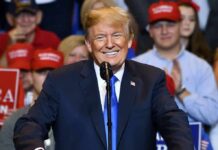
President Donald J. Trump signed Executive Order “Addressing Threats to the United States by the Government of Cuba” on January 29, 2026. The order declares a national emergency, citing Cuba’s malign influence through hosting Russian signals intelligence—the largest overseas facility targeting the U.S.—and Chinese intelligence ties. It also highlights safe havens for Hamas and Hezbollah, plus human rights abuses and dissent repression. This activates tariffs on countries supplying oil to Cuba, empowering Secretaries of State and Commerce to enforce via interagency findings. Effective January 30, 2026, the measures expand sanctions creatively under IEEPA and NEA.
Timeline of Escalating Actions Against the Regime
Trump’s Cuba policy builds on prior steps. In June 2025, he imposed partial travel restrictions on Cuban nationals due to terrorism sponsorship, law enforcement non-cooperation, and visa overstays. He also signed a National Security Presidential Memorandum strengthening U.S. policy. The January 2026 order follows this, releasing a White House Fact Sheet framing actions as counters to Cuba’s threats. This pattern mirrors Trump’s first term reversals of Obama-era easings and recent moves against Iran and Venezuela, positioning Cuba in an anti-dictator strategy. Implementation now proceeds with agency rulemaking on tariff targets.
Strategic Targeting of Oil Suppliers and Adversary Alliances
The tariff framework innovatively pressures third-country oil suppliers with “knowledge” of Cuban end-use, including intermediaries. This broadens the embargo’s reach beyond direct U.S.-Cuba trade, enforced by Treasury’s OFAC alongside new duties. Cuba remains on the State Sponsors of Terrorism list, with restrictions on military entities and human rights abusers stemming from 1960s origins. The regime’s alignments with Russia, China, Iran, and terror groups amplify U.S. threat perceptions. Trump frames these steps as protecting American security while supporting the Cuban people’s democracy aspirations against repression and regional destabilization.
Impacts and the Path to Real Change
Short-term, U.S. importers face duties on unrelated goods, while suppliers scrutinize oil chains for exposure. Long-term, this sets a precedent for third-country sanctions, potentially disrupting trade and deterring investment in Cuba if oil flows curb. Economic strain hits the regime hardest, though Cuban communities face indirect effects like migration risks. Legal experts at Greenberg Traurig call it a “novel use” of emergency powers, urging companies to monitor rules. True reform exceeds replacing leaders; Cuba’s systemic communism—defined by repression and adversary pacts—needs structural overhaul for freedom.
"As Trump Talks of 'Taking Cuba,' Real Change Requires More Than Replacing Its Leader" – https://t.co/ei8HBJaAnJ #SmartNews https://t.co/YDcr08phne
— Republicans For Better Government (@rep4bettergovt) March 21, 2026
Stakeholders and Power Dynamics
President Trump leads as primary decision-maker, with Secretaries of State and Commerce executing tariffs. OFAC administers ongoing sanctions, targeting Cuban entities and remittances. The Cuban regime, aligned with adversaries, faces isolation. Third-country suppliers risk penalties from economic ties. Trump positions America as defender of Cubans against tyranny, reversing globalist policies that empowered dictators. This hardline echoes conservative priorities: limited government abroad through strength, protecting U.S. interests from overreach by hostile powers.
Sources:
US Declares National Emergency on Cuba and Announces Tariff Framework Targeting Oil Suppliers
Addressing Threats to the United States by the Government of Cuba