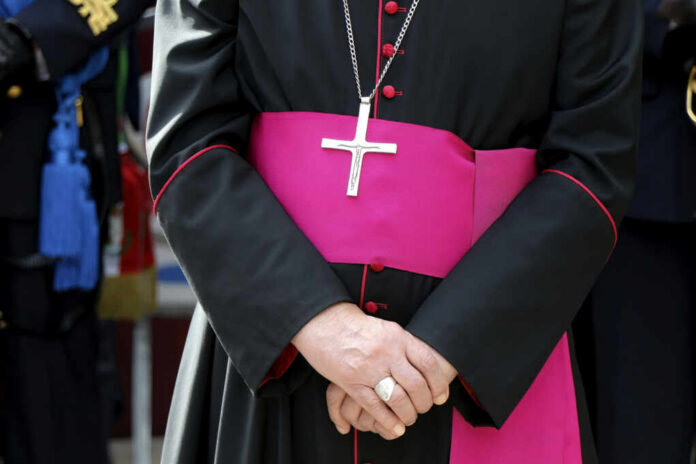
A Swiss bishop’s explosive blog post reignites a forbidden debate within the Catholic Church, arguing that “widespread homosexuality among the clergy” represents an unspoken crisis fueling decades of abuse scandals—a claim that has institutional authorities scrambling to defend their approach while ordinary faithful demand transparency.
Story Snapshot
- Bishop Marian Eleganti published blog commentary in October 2025 calling homosexuality in clergy “the elephant in the room” of abuse scandals
- Swiss dioceses previously rebuked Eleganti in 2018 for similar claims, arguing abuse stems from power dynamics, not sexual orientation
- Eleganti distinguishes between homosexual inclinations and abusive behavior, calling for strict celibacy enforcement and seminary reforms
- The controversy deepens divisions between traditionalists seeking transparency and progressives defending gay clergy dignity
Bishop Breaks Silence on Taboo Topic
Bishop Marian Eleganti, a Swiss auxiliary bishop, published commentary on his personal blog in October 2025 asserting that widespread homosexuality among Catholic clergy constitutes the central yet unacknowledged factor in the Church’s ongoing sexual abuse crisis. Eleganti argued that addressing this “elephant in the room” openly is essential for effective abuse prevention, while calling for stricter enforcement of celibacy vows and comprehensive seminary screening reforms. His comments distinguish between homosexual inclinations—which he labels potentially “disordered” but not inherently abusive—and actual predatory behavior, applying the same moral framework to heterosexual clergy.
Institutional Pushback Reveals Deep Divisions
Eleganti’s October 2025 blog post echoes controversies from 2018, when he claimed approximately 90 percent of Pennsylvania Grand Jury Report cases involved homosexual acts during an EWTN interview. Swiss dioceses including St. Gallen publicly rebuked him then, citing the 2004 John Jay Report commissioned by U.S. bishops, which found 81 percent of abuse victims were male but attributed abuse to opportunity and poor screening rather than sexual orientation. Church authorities countered that framing abuse as a homosexuality issue stigmatizes chaste gay priests and distracts from systemic failures in accountability and power abuse dynamics.
Historical Context Fuels Ongoing Debate
Clerical sexual abuse scandals erupted into public consciousness following early 2000s investigations like the Boston Globe’s revelations, culminating in the 2018 Pennsylvania Grand Jury Report documenting over 300 abusive priests and more than 1,000 victims. The 2004 John Jay Report found most victims were post-pubescent males, sparking debates over whether this reflected homosexual predisposition or access patterns. Traditionalists point to the male victim majority as evidence supporting Eleganti’s position, while reform advocates argue abuse fundamentally stems from unchecked authority and institutional cover-ups that transcend orientation. Vatican summits post-2018 emphasized safeguarding protocols but avoided framing homosexuality as causal.
Frustrated Faithful Demand Answers
Eleganti’s willingness to publicly address what many perceive as institutional avoidance resonates with Catholics frustrated by decades of scandal management that prioritized reputation over victims. His call for transparency on clergy demographics and seminary culture taps into broader concerns that Church leaders—like politicians in secular government—shield uncomfortable truths to preserve positions and power. Whether one agrees with Eleganti’s analysis or not, the refusal of diocesan authorities to engage substantively with his claims reinforces suspicions among ordinary believers that elites control narratives rather than confront root causes. This pattern mirrors public distrust of institutions across society, where citizens increasingly demand accountability from those claiming moral or governmental authority.
Competing Visions for Church Reform
The controversy exposes irreconcilable tensions within Catholicism’s response to abuse. Traditionalists view Eleganti’s position as necessary honesty about moral formation and seminary culture, arguing that fidelity to Church teaching on sexuality—including the designation of homosexual acts as disordered—is inseparable from protecting vulnerable populations. Progressives counter that scapegoating gay clergy diverts attention from the real issue: abuse of power enabled by clericalism and hierarchical secrecy. Victim advocacy groups emphasize that sexual orientation data matters less than holding perpetrators and enablers accountable. Meanwhile, Pope Leo XIV faces separate resurfaced allegations from his tenure in Peru and Chicago regarding mishandled abuse cases, complicating Vatican credibility on reform.
Sources:
Swiss bishop discusses clerical abuse link to homosexuality
Swiss bishop discusses homosexuality’s link to clerical abuse scandal
Swiss Dioceses Speak Out Against a Bishop Placing Blame for Sex Abuse Problems on Gay Priests
Resurfaced allegations against Pope Leo XIV