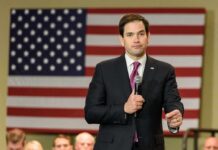
Representative Ro Khanna is calling for a “multi-racial New Deal” funded by taxing billionaire wealth, arguing America needs an economic reset to reduce deep inequality.
Story Snapshot
- Khanna promoted a “multi-racial New Deal” in an NPR interview tied to a possible 2028 run.
- He linked the plan to a tax on billionaire wealth and broader social benefits.
- A Sanders–Khanna bill proposes a five percent annual wealth tax on billionaire fortunes.
- Longstanding research shows a large racial wealth gap and policy roots in past federal actions.
What Khanna Proposed In His NPR Appearance
Representative Ro Khanna used a national interview to argue for “America’s next New Deal” and a major economic realignment. He said the country should build a cohesive multiracial democracy and invest in broad benefits. He tied the plan to taxing billionaire wealth as a key way to pay for it. He also framed the push as part of a larger choice for Democrats in 2028 about vision and leadership for working families.
Khanna’s case rested on a simple point: extreme wealth at the top can fund wider opportunity. He argued the current economy rewards a few and leaves many behind. He linked his idea to historic New Deal language but said today’s policy must better include all races. That framing connected racial inclusion with universal programs, not narrow carve-outs. He has repeated this argument across platforms in recent days.
How He Would Pay For It
Senator Bernie Sanders and Representative Khanna introduced legislation in March to tax billionaire wealth. The bill would impose a five percent yearly levy on the fortunes of the wealthiest Americans. Sponsors said the revenue would support programs for working families, including health care and education. The plan places wealth taxation at the center of financing a modern social contract, reflecting a turn toward taxing assets, not only yearly income.
Khanna’s financing pitch mirrors a broader global debate on wealth taxes. International studies describe design choices that affect fairness, revenue, and avoidance. They stress clear rules, narrow exemptions, and strong enforcement to prevent evasion by the richest households. Supporters say such taxes can reduce inequality and raise meaningful funds when crafted well. Critics warn about capital flight and complex valuation. Khanna aligns with the pro-tax view that the tradeoffs are manageable with sound design.
Why The Racial Frame Matters
Khanna linked his “multi-racial” label to America’s past and present wealth gaps. A leading study estimates a white-to-Black per person wealth ratio of about six to one, showing a wide divide that persists over time. That gap shapes homeownership, savings, and access to capital across generations. Any plan that claims to lift all workers, he argued, must name and address these racial barriers while expanding universal benefits.
Historical work also connects today’s map of wealth and housing to federal choices during the original New Deal. Researchers have found that national housing and credit policy often excluded or harmed Black families and reinforced residential segregation. Those rules shaped who could get mortgages, build equity, and pass assets to children. Khanna’s stress on a “multi-racial” approach tries to avoid repeating those old flaws while keeping the scale of New Deal-era ambition.
Politics And The Road Ahead
Khanna’s message lands in a tense national moment. President Trump and a Republican Congress hold power, while Democrats debate direction. Voters across parties say the system feels rigged for elites. Khanna’s plan meets that mood by promising broad material help paid by the very rich. Backers see a clear fairness case. Opponents will likely argue costs, growth risks, and the reach of federal power are too great in an already strained economy.
2nd thought. This is VERY interesting with all the whispers that Ro Khanna may run in 2028. Khanna tries to incorporate a race/lineage analysis in his discussion of the New Deal while AOC shows evidence of backing AWAY from racialized narratives (and TRUTHS quite frankly) around… https://t.co/zas8htksDb
— this Bernie should stay off of here (@benscoalum1) August 16, 2026
Next steps depend on legislation, party platforms, and public buy-in. The Sanders–Khanna wealth tax bill gives a concrete starting point, but passage will be hard under current leadership. Still, the frame could shape debates on child care, college costs, and health coverage in the next cycle. The core question remains: can a tax on extreme wealth fund programs that lift wages and cut racial gaps without hurting investment and jobs? That is the test voters will watch.
Sources:
townhall.com, npr.org, youtube.com, khanna.house.gov, iheart.com