A powerful 7.7 earthquake struck near Flores Island, Indonesia, killing dozens and forcing mass evacuations as officials raced to manage tsunami risk and damage.
Story Highlights
- Indonesia issued and then lifted a tsunami warning after sea-level checks showed no further rise.
- Disaster officials reported at least 47 deaths as rescue teams searched damaged areas.
- East Nusa Tenggara declared a 14-day emergency to speed aid and recovery.
- The United States Geological Survey said the shallow quake hit near Ende with strong shaking for about 1.5 million people.
What Happened And Where The Risk Stands Now
Indonesia’s meteorology and geophysics agency issued a tsunami warning soon after the quake. The agency later lifted the warning after tide gauges showed no further significant rise in sea level, which reduced the immediate coastal threat. The quake struck near Ende on Flores Island late on August 14 Universal Time. The United States Geological Survey reported a magnitude 7.7 event at about 10 kilometers depth, which increases shaking at the surface.
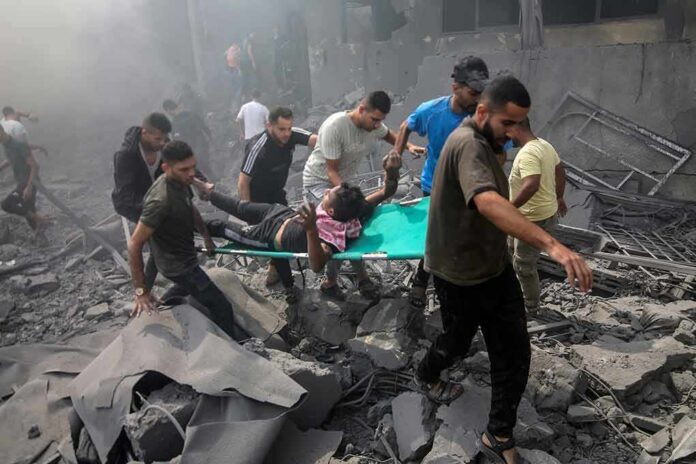
Rescue teams and local residents evacuated to higher ground during the warning window. Authorities reported damaged buildings and disrupted roads, which slowed access to some communities. Reports from the scene described tents, field triage, and ongoing searches through debris. Officials warned people to stay alert for aftershocks, which can weaken unsafe structures and add to injuries. This pattern is common after large shallow quakes along Indonesia’s active fault systems.
Deaths, Damage, And The Emergency Decree
Indonesia’s National Disaster Management Agency said at least 47 people were killed in the latest update as of August 15 local time. The agency also reported injuries and widespread evacuations across affected districts as search-and-rescue operations continued. East Nusa Tenggara’s governor signed a two-week emergency response decree running from August 15 to August 28. The move unlocks funds, speeds logistics, and sets up command posts to coordinate relief and repairs.
Provincial and national teams are clearing roads, restoring power, and moving supplies to remote areas. Ports and clinics are key hubs for moving fuel, food, and medical staff. Local leaders are tracking shelter needs, water access, and damage to homes. Field counts will change as teams reach villages that were cut off. Early figures in disasters are often rough because officials must act before full checks are complete.
Why The Shaking Was So Strong And Who Felt It
The United States Geological Survey reported the quake occurred near the Flores back-arc thrust fault area. That zone can produce powerful, shallow quakes that hit nearby islands hard. The United States Geological Survey estimated about 1.5 million people were exposed to strong to severe shaking levels, which can crack walls, topple older buildings, and trigger landslides on steep slopes. Engineers and geologists will study the rupture to better map stress along the fault.
A powerful magnitude 7.7 earthquake has struck eastern Indonesia, leaving at least 53 people dead and more than 130 injured as rescuers race to reach devastated communities.
The earthquake hit Flores Island in East Nusa Tenggara on Saturday, triggering landslides, collapsing… pic.twitter.com/IorgXPAwAG
— Ocean News (@OceanNewsUK) August 16, 2026
Indonesia sits on the Pacific Ring of Fire, where several tectonic plates meet. The country’s disaster playbook calls for rapid warnings, quick evacuations, and then formal emergency status if the scale demands it. That is the sequence seen here: a fast tsunami alert, major evacuations, and a province-wide emergency order to speed aid. Final death and damage totals will come later after hospital logs, police records, and building surveys are reconciled.
What Comes Next For Survivors
Search teams will keep working through collapsed and cracked buildings as aftershocks continue. Health workers will watch for dehydration, infections, and trauma. Power, water, and transport repairs will shape how fast families can return home. Aid groups will prioritize clean water, temporary shelter, and support for children and seniors. As the two-week emergency unfolds, officials will shift from rescue to repair and cash aid for households with heavy damage.
Why This Matters Beyond Indonesia
Fast, well-targeted warnings save lives when people trust them and know where to go. The tsunami alert and safe retreat to higher ground likely reduced coastal deaths. The quick cancellation also showed the system responding to data, not panic. For countries with long coasts and aging buildings, this quake is another reminder: invest in sensors, drills, and stronger structures before the next shake. Those steps cost less than rebuilding lives after the ground moves.
Sources:
en.wikipedia.org, bmkg.go.id, reuters.com, en.antaranews.com, malaymail.com, earthquake.usgs.gov, mixvale.com.br