Facing a national security leak probe, the Pentagon ordered lie-detector tests for dozens of senior staff, pulling top brass into the dragnet.
Story Snapshot
- The Defense Department authorized polygraph tests in a leak investigation, citing legal compliance.
- Roughly dozens at the Pentagon, including senior officials, were targeted, according to reports.
- Critics say polygraphs measure stress, not truth, and can mislabel innocent people.
- The White House later moved to halt or limit the testing amid internal pushback, reports say.
Pentagon Greenlights Polygraphs in Leak Crackdown
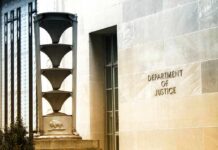
Defense Department leaders opened an inquiry into recent unauthorized disclosures and said polygraph exams could be used during the investigation. A memo from the Defense Department chief of staff said any testing would follow laws and policies. Reporters said the sweep reached into the Pentagon’s upper ranks and included random testing plans and tough nondisclosure rules. The move aimed to identify who leaked sensitive information, deter future breaches, and show that leadership treats classified material with strict care.
News accounts described an unusually wide net, with dozens of personnel, including high-ranking officials, facing potential exams. Some reporting tied the push to concerns over stories about weapons stockpiles and other sensitive topics. Supporters argued the steps were needed to protect troops and operations. They said leaks can tip off rivals and put lives at risk. The message to the building was simple: stop the leaks, or face tighter checks, hard questions, and career risk if you fail them.
Internal Pushback and a Course Correction
As the program expanded, friction grew inside the Pentagon. Senior staff questioned the scope and fairness of the testing, according to reports. The White House then moved to halt or limit the effort, signaling concern over the fallout and legality questions raised by aides and lawyers. Those shifts showed a classic Washington cycle: launch a tough control, meet resistance, and then narrow the plan. The pause also hinted at deeper doubt over whether sweeping polygraphs actually catch leakers.
Past reviews give reasons for caution. The Government Accountability Office has examined Defense Department rules and use of polygraphs in leak cases and stressed process limits and employee rights. The National Academies of Sciences has said the test’s accuracy for screening workers is too weak to support heavy reliance by the federal government. That record matters. Leaders want speed and certainty in a leak hunt. But the tools they reach for can carry known error rates and legal risks.
Why Polygraphs Stir Bipartisan Worry
Experts and some officials say polygraphs do not detect lies; they record body stress, which can spike for many reasons unrelated to guilt. That means an honest person can look deceptive, while a trained subject can sometimes pass. The National Academies called the accuracy for screening insufficient, which raises the odds of false hits and missed culprits. Those risks fuel concern across the aisle about fairness, whistleblower chill, and whether real spies slip through during theater that targets the wrong people.
In Major Leak Hunt, Pentagon Gives Polygraph Tests to Joint Staff Members – The New York Times https://t.co/9jOIItVKU7
— The Wascally Wabbit (@sheila_yarnell) September 5, 2026
The stakes are larger than one probe. People on the right and left see a pattern where leaders reach for blunt tools that sweep up insiders but do not fix root problems. Conservatives fear bureaucracy overreach and distraction from mission. Liberals fear intimidation and harm to civil liberties. Both sides worry elites protect themselves while the system punishes rank-and-file staff. When the White House steps in to curb a program after backlash, it feeds the view that power cares more about control than clarity.
Sources:
mediaite.com, apnews.com, washingtonpost.com, foxnews.com, gao.gov, salon.com, wsj.com, theguardian.com, militarydefense.com