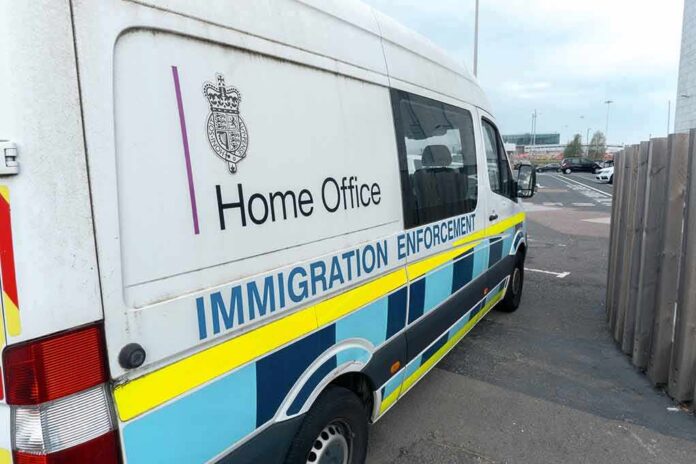
Britain’s Home Secretary reopened refugee resettlement and added new sponsored routes, signaling a managed expansion of legal entry even as border pressures persist.
Story Snapshot
- The UK Resettlement Scheme has reopened to new referrals with added “safe and legal” routes.
- Community groups and universities will sponsor refugees this year; an employer route is planned.
- Ministers say caps will control numbers and match local capacity.
- Critics warn legal routes may not reduce small-boat crossings and could raise totals.
What the Home Secretary Announced and When It Starts
Home Secretary Shabana Mahmood restarted the United Kingdom Resettlement Scheme and said three new “safe and legal” routes are on the way. The Home Office framed the step as a humane and orderly path for “genuine refugees.” The announcement said the resettlement channel is open now, while other routes will phase in over the coming months. The government linked this to a wider asylum overhaul, which rolls out in stages beginning this autumn under new legislation and policy plans.
Officials said charities, faith groups, and local sponsors will be able to bring approved refugees through a new community track. Trusted universities will sponsor refugee students through a study track. A work route, which would let employers sponsor refugees, is expected to follow after the first two open. The Home Office signaled the study route would open later this year, with first arrivals planned for 2027, and the employer route expected next year under the staged rollout.
How the System Will Be Controlled and Who Sets the Limits
Ministers said the government will use an annual cap to control how many people enter on these routes. The cap will be set by the Home Secretary based on the ability of communities to support arrivals. That design aims to assure the public that local housing, schools, and services are not overwhelmed. The cap mechanism was set out in the government’s “Restoring Order and Control” policy statement and linked to broader asylum reforms.
Government briefings describe “safe and legal routes” as narrow, overseas paths that are different from in-country asylum claims. These include resettlement, family reunion, and bespoke programs. Under the official approach, people approved abroad travel to the United Kingdom through planned channels rather than risk dangerous journeys. The House of Commons Library and Home Office documents explain that these routes are authorized exceptions for humanitarian reasons, not a general asylum visa.
Supporters’ Case: Orderly Pathways to Reduce Risk
Supporters inside government argue that expanding legal routes reduces the pull of smugglers and the risk of deadly crossings. They say resettlement screens people before travel and places them with sponsors who help with housing and integration. The government stresses that these routes are controlled, capped, and linked to local capacity. The official reopening of the United Kingdom Resettlement Scheme is presented as a core plank in that strategy to manage entries while meeting protection duties.
🇬🇧 SHABANA MAHMOOD EXPANDS SAFE REFUGEE ROUTES
The Home Secretary has reopened the UK Resettlement Scheme and announced new capped legal routes for refugees.
Around 25% of referrals are expected to be Afghan women and girls and Palestinians, with arrivals initially in the…
— Rabindra. 🚩 (@rabindraX238) October 7, 2026
Backers also point to the staged rollout as proof of planning. Opening community and student sponsorship first spreads responsibility across towns, faith groups, and campuses. Adding an employer route later could match labor needs to refugee skills while still using checks and quotas. Proponents argue this is not “open borders,” but a channel that moves some people from boats to planes and community housing, with numbers set in London and delivery shared locally.
Critics’ Case: Boats May Keep Coming and Numbers Could Rise
Conservative critics say small-boat crossings will not fall if people shut out of legal tracks still attempt the journey. Chris Philp argued that those not admitted would try the Channel anyway, so the new plan may not dent illegal arrivals. This view challenges the idea that more legal channels alone can cut risky trips, especially if caps are tight and waiting lists grow.
Commentary from The American Conservative framed Mahmood’s plan as keeping Britain’s borders “wide open.” It warned that legal arrivals might stack on top of ongoing irregular entries, raising total numbers even if boat tallies dip. That critique doubts whether promised caps and controls can stay tight once routes for groups like Afghans and Palestinians begin to operate at scale, calling limits “impossible to keep”.
Why This Matters to Voters on Both Left and Right
British voters across parties share anger over chaos at the border and stress on local services. This policy tries to answer both by promising order and control while offering protection to those in danger. The cap and sponsor model speaks to taxpayers who want clear limits and accountability. The legal paths speak to those who want safer options than the Channel. Whether it works hinges on two tests: do boats fall, and do caps hold under pressure.
Sources:
theamericanconservative.com, aa.com.tr, metro.co.uk, itv.com, easterneye.biz, gov.uk, us.headtopics.com