Deputies say a Florida father stabbed his 17-year-old twins to death and then died by suicide after a welfare check led them to an Orlando home.
Story Snapshot
- Orange County deputies found three bodies after a Sept. 30 welfare check.
- Detectives believe the father killed twins Carlo and Melanie, then himself.
- Reports say the teens suffered multiple stab wounds.
- The investigation continues as officials work to confirm final findings.
What Deputies Reported at the Orlando Scene
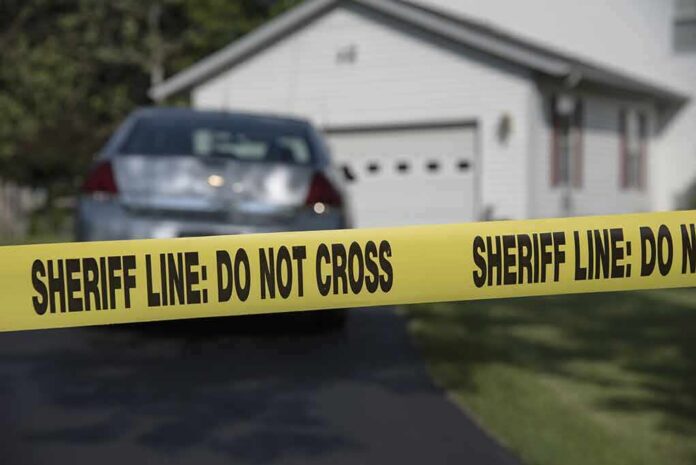
Orange County Sheriff’s Office deputies responded to a welfare check on September 30 at a home on the 1200 block of Courtney Chase Circle in Orlando. Inside, they found 17-year-old twins Carlo and Melanie Montiel Infantino dead, and their father, 63-year-old Ivan Montiel Roa, also dead. Investigators said they believe the father killed the teens and then died by suicide. The Sheriff’s Office described the case as an apparent murder-suicide while the investigation remains open.
Local outlets reported the twins suffered multiple stab wounds, supporting the homicide finding for both teenagers. The father was found elsewhere in the home, with some reports describing the location as the master bedroom or bathroom. Officials have not released a motive. Detectives have not published autopsy results or full scene details yet. Those steps often take time as medical examiners confirm the cause and manner of each death before closing a case.
How the Case Fits a Known Pattern
This tragedy matches common features of domestic murder-suicide cases: it occurred in a home, involved family members, and featured a deceased suspected offender. National research finds most murder-suicides happen in residences and are carried out by men who act alone. While many such cases involve firearms, knives and other weapons are also used. Prior conflict or family stress is often present, though it may not appear in early news reports or police summaries.
Law enforcement often communicates early findings with careful terms like “believe” and “apparent.” That language gives the public a working account while leaving room for forensic confirmation. Medical examiners and detectives still must align timelines, injury patterns, and other evidence. That process includes autopsy work, scene analysis, and a final administrative review. Only then do agencies issue a final determination of cause and manner of death for each person.
Why the Public Should Care
Families and neighbors look for answers after sudden violence, yet official records take time. People across the political spectrum worry that the system reacts but rarely prevents. Many see rising stress, thin mental health support, and gaps in community safety nets. Others see weak accountability when warning signs surface. This case underscores a hard truth: government agencies often step in only after a crisis, leaving communities to pick up the pieces.
Clear, careful reporting helps cut through shock and rumor. Responsible coverage shares what police confirm and avoids step-by-step method details that can cause harm. It also keeps the focus on victims and the facts, not on sensational framing. As investigators complete their work, confirmed records—like autopsies and final summaries—will show how they reached their conclusions. Until then, the core facts are stable: deputies found three people dead, and detectives believe the father killed the twins and then himself.
Sources:
thegatewaypundit.com, themirror.com, wesh.com, abc6onyourside.com