Speaker Mike Johnson’s warning that France’s violent unrest shows the risk of “open borders” collides with French authorities who blame far-left groups and cost-of-living anger, not immigration.
Story Snapshot
- Speaker Johnson linked France’s unrest to “open borders,” urging Americans to take heed.
- French leaders cited radical-left elements and criminals as drivers of the violence.
- Protests began over school conditions and rising living costs, then spiraled.
- Research ties riots to deprivation and segregation more than a single immigration cause.
What Johnson Said And Why It Matters
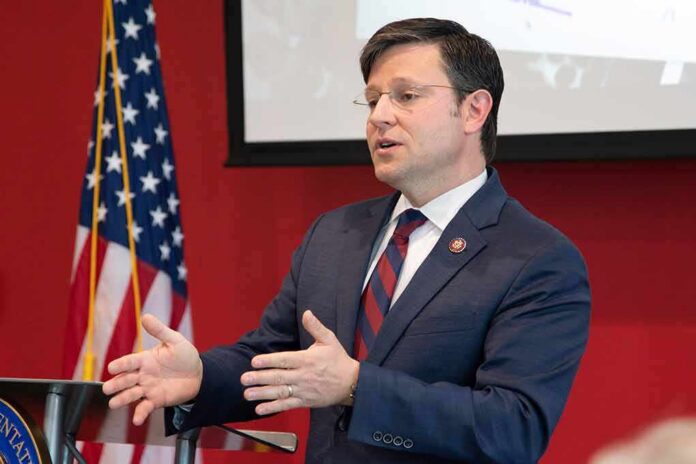
House Speaker Mike Johnson posted that “France is descending into chaos because they wanted OPEN BORDERS,” framing the violence as a warning for Americans and tying it to policies he links to Democrats. Johnson’s claim taps into long-running U.S. fears about border security and public safety. His message lands during a tense moment, as American voters argue over immigration, order, and social stability. The post shapes a simple cause-and-effect story that many find compelling, especially after nights of arson and street clashes reported in France.
Johnson’s message also fits a wider pattern in U.S. politics. Leaders often point to unrest abroad to push domestic priorities. The claim suggests that loosening immigration leads to chaos. But that leap depends on what actually fueled the French riots. If immigration caused the crisis, it supports tough border policy. If other forces drove the unrest, then the warning risks misreading the event. Voters need clear facts to judge whether the French example truly maps onto U.S. debates.
What French Authorities And Reporters Describe On The Ground
French officials and major outlets said the protests centered on rising living costs and poor school conditions, not immigration. President Emmanuel Macron condemned “unrestrained” violence and blamed “insurrectionist elements” from the far left and criminals, while promising accountability for those who “sought to bring down the Republic”. Reports described widespread damage and arrests as demonstrations grew, but did not establish immigration as the cause of the violence that followed the marches.
Coverage traced the movement’s roots to student and teacher grievances over shortages, overcrowding, and failing buildings, then to larger anger over inflation, wages, energy costs, and public services. Trade unions and yellow-vest groups joined, making the crowds larger and more diverse in purpose. Some accounts also noted that tough police tactics fueled public anger and drew more people into the streets, raising tensions further. These details point to a domestic social crisis, not a simple border story.
What The Data And Research Say About Riots And Blame
Scholars who study French unrest find that severe riots often track with local deprivation, segregation, policing, and youth concentration, not a single spark like immigration alone. Work on past French riots highlights how unemployment, weak local institutions, and neighborhood isolation can set the stage for explosions when a trigger appears. This research does not deny that immigration and identity can matter. But it stresses that social and economic strain make violence more likely when trust in the state is low.
That view supports caution with simple claims. Immigration can shape who lives in hard-hit areas. Yet the drivers of disorder often include poor schools, scarce jobs, bad housing, and tense police relations. These are the same issues many Americans see at home, in cities and towns far from any border. When leaders point to a single cause, they may miss the layered problems that let small protests turn into nights of fire and fear.
Why This Fight Over Framing Resonates In The U.S.
American conservatives over 40 see France and think about border chaos, weak order, and high costs. American liberals over 40 see lopsided wealth, strained services, and aggressive policing. Both sides share a core worry: leaders dodge hard fixes while regular people pay the price. Johnson’s post rides that anger. French officials’ account rides it too, but in a different direction. Both speak to a fear that the system serves elites while streets get rougher.
Here is the bottom line for U.S. readers. The French crisis is real, with arrests, injuries, and deep scars on daily life. Johnson blames “open borders”. French leaders and reports point to domestic costs, schools, radical-left groups, and criminals. Research warns against single-cause stories of riots. If we want order and opportunity here at home, we should face the full picture: secure borders, yes, but also working schools, fair policing, and an economy that does not leave people desperate.
Sources:
redstate.com, foxnews.com, x.com, apnews.com, abc.net.au, reuters.com, euronews.com, cbc.ca, sciencespo.hal.science, shs.hal.science