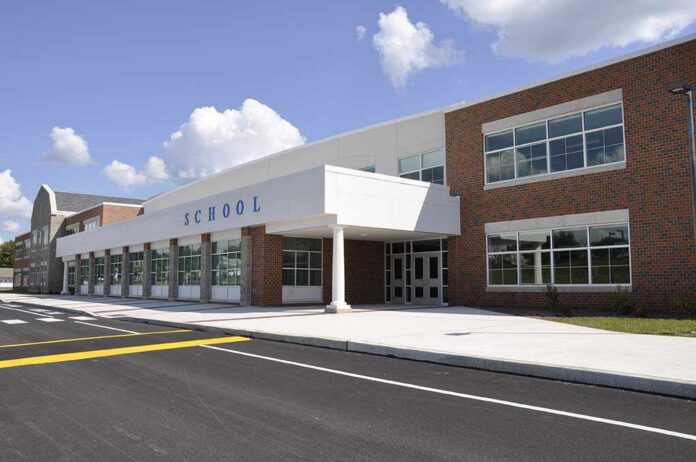
A grieving mother’s defense of her son collided with graphic facts from police about a deadly school attack that left four people dead in Bend, Oregon.
Story Snapshot
- The suspect’s mother called him “a good boy,” while police described a planned, violent school attack.
- Reports say the 16-year-old forced entry and fired into a special-education classroom, killing three children and a teacher.
- Officials are probing how he got the shotgun; sources say his mother likely bought it near his birthday.
- A bystander with a gun intervened and fatally shot the attacker, ending the assault.
What the Mother Said and When She Said It
Reporters interviewed the suspect’s mother outside her home within days of the shooting. She said her son “was a good boy” and that she missed him. She added that she would have tried to stop the attack if she could. These quotes came while police were still investigating the motive and timeline, and before a full background review was public. Her remarks were brief, emotional, and not part of a formal statement.
Independent coverage confirmed the teen had attended Silver Rail Elementary School in the past and had been in special education services. That background helps explain why a parent might focus on earlier childhood years. But it does not settle key questions about warning signs, access to a weapon, or whether adults missed chances to intervene before the attack. Those issues remain central to prevention debates.
What Police and News Reports Describe About the Attack
Police accounts and on-scene reports said the teen forced his way through school doors by firing through glass and then shot into a special-education classroom. Three children and a 25-year-old teacher were killed, and two others were critically hurt. Officials described a violent sequence at close range inside the school, which shaped the public response and the moral weight of the case. These facts drive how many people now define the suspect.
Coverage also reported that an armed bystander intervened and fatally shot the teen after he entered the school, ending the attack. That detail has fueled fresh debate about school safety, response time, and whether armed citizens can limit harm during fast-moving crimes. It also underscores how fast the situation unfolded and how many lives were at risk inside the building.
The Firearm Question and Parental Responsibility
Two senior law enforcement officials told reporters that the shotgun used in the attack was likely bought by the suspect’s mother around his birthday. The mother was reported as saying she did not know how he got the gun, and investigators were still working to confirm the chain of access. This conflict remains a live part of the case and may shape public views of parental responsibility.
Four killed, including three children, in Oregon elementary school shooting by 16-year-old
A 16-year-old killed four people during an attack at Silver Rail Elementary School in Bend, Oregon, before he was shot and killed by a bystander. The deceased victims included a…
— AiSeek (@Ai__Seek) October 17, 2026
Oregon law does not include a stand-alone statute that directly criminalizes parents when a child uses their firearm, unlike some other states. Prosecutors in other places have pursued charges in cases tied to storage or reckless behavior, but each case turns on specific facts and state law. The Bend case will likely renew calls to clarify duties, storage rules, and consequences when minors access guns used in school attacks.
Why This Resonates Beyond Partisan Lines
Families on the left and right see a system that warns after the fact. Research summaries say many school shooters obtain guns from home or relatives, and people often noticed warning signs before attacks. Communities ask why known risks did not trigger faster action, and why adults closest to a teen could not see danger in time. The Bend tragedy fits that wider pattern that leaves people feeling the government and institutions failed them.
Parents often remember a child’s earlier self after a horrific act. That may reflect love, shock, and grief, not a legal defense or a claim about the final act. Studies of families after terror attacks show deep, lasting grief that shapes how they speak in public. None of this changes the facts of the crime, but it explains why a mother’s words may differ from the record set by police reports and timelines.
What We Still Do Not Know
Investigators have not released a clear motive. Officials have not provided a full picture of any warning signs at school or at home. The timeline of weapon access is not final. Without these facts, it is hard to judge whether policies worked, whether storage laws or school protocols failed, or whether anyone ignored red flags. Those answers matter for accountability and for preventing the next attack.
Readers are right to demand more than thoughts and prayers. They want simple, enforceable steps that keep guns away from minors, act on credible threats, and harden entry points without turning schools into fortresses. They also expect honest reporting that holds leaders and systems to account. That is how trust is rebuilt, and how fewer families face the kind of grief seen in Bend.
Sources:
townhall.com, edition.cnn.com, arkansasonline.com, nbcnews.com, nbcdfw.com, castanet.net, the-express.com, nypost.com, local3news.com