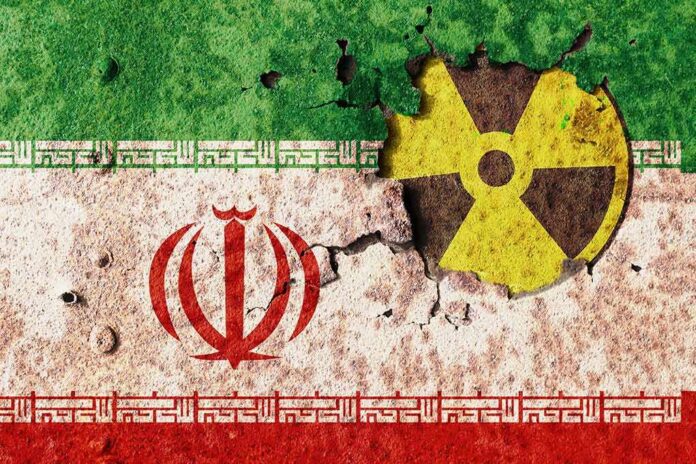
Iran flatly rejected Germany’s demand to halt uranium enrichment, reviving a high-stakes clash over rules meant to stop nuclear weapons spread.
Story Snapshot
- Iran said it will not stop enrichment and claimed a right to do so under the treaty.
- Germany’s call echoed past United Nations and nuclear agency demands to suspend enrichment.
- International Atomic Energy Agency reports show Iran enriched up to 20% and 60% in recent years.
- The standoff mirrors earlier cycles that led to sanctions and talks like the 2015 deal.
What Iran Said and Why It Matters
Iran’s Foreign Ministry spokesman Esmail Baghaei said Tehran rejects Germany’s demand to halt uranium enrichment and argued Iran has a treaty-based right to enrich for peaceful use. The remark came after fresh pressure from Europe and new concern from the United Nations nuclear watchdog about Iran’s program. The statement signals Tehran will not trade away enrichment without terms it accepts. That hard line raises the risk of more sanctions, more isolation, and less transparency.
Germany’s call did not appear out of thin air. The International Atomic Energy Agency has said for years that, under relevant Board of Governors and United Nations Security Council resolutions, Iran is required to suspend all enrichment-related activities so the agency can verify compliance. Those measures were designed to slow or halt any path toward a weapon. Berlin’s stance aligns with that rules-based approach, even as enforcement has shifted over time.
What Inspectors Have Observed
International Atomic Energy Agency reports in 2026 described uranium hexafluoride enriched up to 20 percent and 60 percent uranium-235 stored at an Isfahan tunnel complex, based in part on satellite imagery and other analysis. Those levels are far above typical power reactor use and shorten the technical time needed to reach weapons-grade, though they are not weapons-grade by themselves. Inspectors’ warnings heighten fears that oversight is weakening while sensitive material stocks grow.
Earlier agency reporting also documented a long period when Iran did not suspend enrichment despite Board and Security Council demands, underscoring the limits of pressure alone. That pattern challenged the idea that resolutions by themselves could halt the program. It also pushed world powers toward deals that cap, monitor, and roll back parts of Iran’s work. The record shows both the risk of defiance and the value of verifiable limits when politics allow.
How Past Crises Shaped Today’s Options
After 2006, the United Nations Security Council adopted resolutions that required Iran to suspend enrichment and later imposed sanctions to raise the cost of refusal. Those steps and economic pain helped drive talks that produced the 2015 nuclear deal, which set strict stockpile and centrifuge limits and expanded inspections. That deal eased the “suspend everything” demand in favor of tight, verified caps. Today’s dispute tests whether that strategy can return or whether both sides double down.
Diplomacy experts note a recurring cycle: demands for suspension, Iranian claims of peaceful rights, sanctions, and then negotiations that trade limits for relief. The cycle reflects a deeper problem. Governments often protect their own power and narratives while leaving citizens to absorb the fallout: higher energy prices, market shocks, and the risk of conflict. When leaders in any capital ignore workable compromises, people far from those rooms pay the price.
Why Americans Should Care Now
Higher nuclear tensions in the Middle East can rattle oil markets and raise prices at home. Families already stretched by inflation feel every jump at the pump. U.S. troops and partners in the region also face more danger when talks fail and threats rise. Americans across the political spectrum want fewer wars, lower costs, and leaders who deliver results. Clear goals, tough verification, and honest trade-offs are the only path to that outcome.
#IranWar
Esmail Baghaei, Iran's Foreign Ministry spokesperson, has rejected Germany’s demand that Iran halt uranium enrichment, saying that the country's “right to enrichment is not something Germany, France or others have granted us.”#NetanyahuWarCriminal#TrumpWarCriminal pic.twitter.com/K4IJO24GFj— "Solidarity is a verb" (@SaveSJarrah) November 15, 2026
Next steps will likely hinge on whether Europe, the United States, and Iran can find a narrow deal that stops growth of higher-enriched stockpiles, restores fuller inspections, and sets incentives that all sides can defend. Without that, the default is drift: more enrichment, fewer checks, and rising risk. The lesson from past rounds is simple. Pressure can open a door, but only a verified agreement can close the crisis.
Sources:
youtube.com, iaea.org, aljazeera.com, cbsnews.com, socialnews.xyz