President Trump says he will sit down with the Michigan Democrat he once called a “jihadist” to talk about putting his own name on a Medicare for All plan.
Quick Take
- Trump confirmed a planned meeting with Senator-elect Abdul El-Sayed to discuss a universal healthcare proposal branded “TrumpCare.”
- El-Sayed posted a mock gold insurance card with Trump’s name on it, and Trump reposted it without comment.
- Vice President JD Vance’s office reportedly reached out first to arrange contact with El-Sayed’s team.
- No meeting date, agenda, or policy details have been released, and the White House previously dismissed Medicare for All as “Medicare for None.”
A Campaign Feud Turns Into a Possible Deal
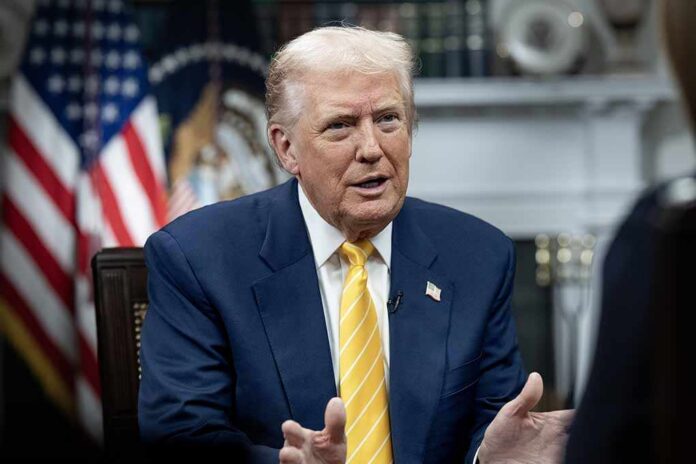
President Trump said in late November he plans to meet with Michigan Senator-elect Abdul El-Sayed to discuss a universal healthcare proposal. “I’m aware that I’ll be meeting with him,” Trump said, describing the subject as El-Sayed’s Medicare for All plan. The comment came after months of harsh campaign trail exchanges between the two men, making the possible sit-down a sharp political turn.
El-Sayed, a progressive who won his Senate race this fall, had spent the campaign clashing with Trump over healthcare and other issues. Reports note Trump once called him a “jihadist” on the trail. That history makes the idea of the two working together on legislation a notable shift, even before any formal talks have happened.
The Gold Card That Started It All
The spark came from social media. On November 12, El-Sayed posted a mock-up of a gold-colored insurance card labeled “TrumpCare,” writing, “Donald, this is on the table”. Nine days later, Trump reposted a screenshot of it on Truth Social without adding any comment of his own. The repost alone set off a wave of coverage and speculation about a possible deal.
El-Sayed has said he does not care what the plan is called, as long as Americans get guaranteed health coverage. He said he is “open to meeting with him” and with anyone who can help pass Medicare for All and cut the role of money in politics. He later added that a deal could become a “lasting legacy” for Trump if the president is serious about guaranteed healthcare.
Vance’s Office Made the First Call
The outreach did not come only from El-Sayed’s side. Vice President JD Vance’s team confirmed it had been told of El-Sayed’s interest in meeting and said Vance’s office reached out to arrange one. That detail suggests the administration, not just the senator-elect, is treating the idea as worth exploring, at least enough to open a line of contact.
No Deal, No Details Yet
Despite the attention, no meeting date, agenda, or written proposal has been made public. The available reporting shows an announced plan to meet and early outreach, but no draft bill, cost estimate, or agreement on how the plan would work. Trump’s repost itself included no endorsement or explanation, meaning it signals attention more than acceptance of the policy.
Michigan's incoming senator got Trump to call him "a smart guy" just by putting Trump's name on Medicare for All. Gotta respect the hustle.
El-Sayed told Politico today "we're looking forward to a conversation." Trump told the NY Post he'll meet him, no date yet.
I'll believe… https://t.co/tVECdgdjEM
— MI_RantMaster (@MI_RantMaster) November 25, 2026
The two men’s actual positions on healthcare remain far apart on paper. The White House had previously criticized Medicare for All as “Medicare for None,” and nothing in the record shows that view has changed. A name change on a mock insurance card does not resolve questions about financing, eligibility, or what happens to private insurance.
Why the Idea Still Faces Long Odds
Research on healthcare politics shows framing and branding can shift public opinion even before policy details exist. Studies of the Affordable Care Act found that calling it “ObamaCare” versus the “Affordable Care Act” changed how much Republicans and Democrats supported the exact same law. A “TrumpCare” label could work the same way, shaping reactions before any real plan is written.
For now, the episode shows two political rivals signaling openness to talk, not a finished healthcare deal. Any serious push toward universal coverage would need congressional sponsors, a financing plan, and sustained negotiation. Readers on both sides of the aisle are left watching a social media exchange that may turn into real policy, or may simply fade once the attention moves elsewhere.
Sources:
nypost.com, cnn.com, miamiherald.com, washingtonpost.com, edition.cnn.com, en.royanews.tv, ibtimes.co.uk, nbcnews.com, aol.com