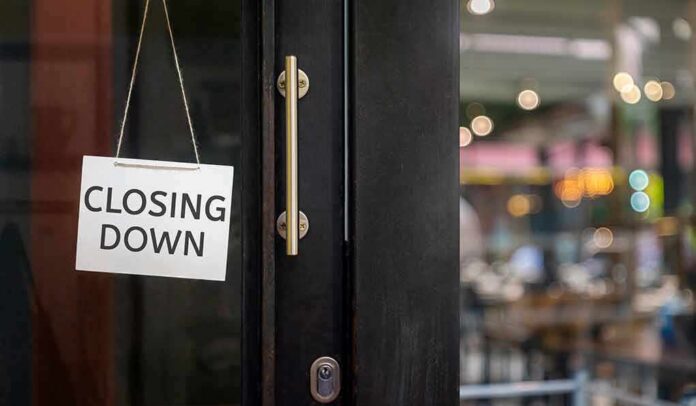
As Russian attacks intensify, well-known Kyiv restaurant chains are closing sites or pausing service due to air raids, outages, and safety rules.
Story Highlights
- Kyiv chains shut or suspend locations amid air raids, curfews, and outages.
- Gastro Family and Chornomorka confirmed closures; Pesto Cafe paused seven sites.
- Salateira reported steep sales drops and shutdowns tied to mall alert rules.
- War strains include higher fuel costs, staff gaps, and lower spending.
Named Kyiv Chains Report Closures and Suspensions
Reuters-republished accounts say several Kyiv operators have pulled back service as the war grinds on. Gastro Family closed two restaurants and suspended two more until April. Chornomorka shut two Kyiv locations. Pesto Cafe temporarily closed seven of its twenty Kyiv-area restaurants, citing frequent alerts and worsening security. These actions reduced dining options in the capital and highlight the pressure on operators trying to keep doors open under repeated disruptions.
Gastro Family owner Olena Borysova tied closures to the operating environment, which has become harder with air raids and disrupted services. Chains that rely on steady foot traffic and predictable hours cannot plan when customers and staff must shelter. Each alert can halt service, waste prepared food, and force refunds. Operators also face curfews that cut late-night sales and limit staffing shifts. This mix erodes margins that were already thin before the latest strikes.
Salateira’s Revenue Decline and Mall Shutdown Rules
Reports on Salateira offer numbers that show how alerts hit revenue. Company figures cited by local outlets say turnover fell about forty-five percent from prewar levels. The brand also estimated each hour closed during an alert could cost ten thousand to thirty thousand hryvnias. Many of its venues sat inside shopping centers, where rules require quick evacuation and full shutdown during alarms. That meant long downtimes, slower restarts, and lost peak hours.
Independent business-data reporting aligns with that decline. One account says Salateira’s revenue dropped from 287.8 million hryvnias in 2023 to 193.6 million hryvnias in 2025, with the first half of 2026 at 78.7 million hryvnias. While company claims were not paired with detailed audits in the reports, the direction of the figures and the pattern of repeated shutdowns point to a sustained hit to sales and profitability that many mall-based operators could not absorb.
Stacked Pressures: Alerts, Utilities, Costs, and Labor
Restaurant owners in Kyiv describe a daily grind of alerts, blackouts, and water cuts. They have adapted menus, stocked water tanks, and added generators, but fuel is expensive and wear on equipment adds new costs. Staff shortages persist as people relocate or serve in the military. Diners spend less, and supply chains break, causing menu gaps and waste. Even when venues can open, the constant threat of an alert makes service choppy and planning guesswork at best.
These shocks mirror what hospitality research finds in wartime: demand falls, inputs get scarce or costly, hours shrink, and staff turnover rises. Some Kyiv spots endure and even thrive with lean menus and flexible hours. Others cannot offset the stop-start rhythm that ruins busy periods and inflates costs they cannot pass to price-sensitive customers. The result is uneven survival across the sector, with closures clustered where alerts and access rules bite hardest.
Limits of the Data and What It Does—and Does Not—Show
The current reporting centers on a handful of known chains, not a full city census. The articles do not provide a verified closure rate for all Kyiv restaurants across a fixed period. Some numbers come from operator statements rather than audited records. Still, named closures and specific alert-related shutdowns show real operational stress. The clearest signal is not a total collapse, but a pattern of contraction and adaptation under conditions no private business can control.
Nov. 22, 2026 | Reuters reports Kyiv restaurants closing amid war, outages and rising costs. Household takeaway: plan meals that need no power. Get my First 72 Hours preparedness course:https://t.co/RHJ4Z1ij61https://t.co/PVqnFedjyF
— Matt Pasquinilli (@MPasquinilli) November 22, 2026
For readers in the United States, the takeaway is simple: when government and security systems fail to provide basic safety and steady utilities, small businesses pay first. Kyiv’s restaurants remind us that everyday services depend on stable power, water, and public safety. When those foundations crack, families lose jobs, owners lose savings, and neighborhoods lose gathering spots. That truth crosses borders and politics—and it is why the basics of security, infrastructure, and honest stewardship matter.
Sources:
youtube.com, miamiherald.com, ua.news, piqmarkets.com, timesofindia.indiatimes.com, identitagolose.com