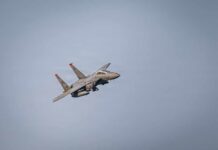
Iran launched a barrage of drones at Kuwait’s critical energy infrastructure just hours after pledging to a U.S.-brokered ceasefire, exposing the fragility of President Trump’s de-escalation efforts and threatening global oil stability.
Story Snapshot
- Kuwait intercepted 28 Iranian drones starting at 8:00 AM local time on April 8, 2026, targeting oil facilities, power plants, and water desalination plants in southern Kuwait.
- Attacks caused significant material damage but no casualties, occurring less than two hours after a U.S.-Iran two-week ceasefire took effect.
- Kuwaiti forces remain fully engaged against ongoing Iranian threats, highlighting violations of the fresh truce brokered by President Trump.
- Similar incidents reported in UAE, suggesting coordinated regional aggression that risks broader Gulf instability and higher energy prices.
Timeline of the Attacks
Kuwait’s Armed Forces reported intercepting 28 drones in an intense wave of hostile attacks beginning at 8:00 AM local time (0500 GMT) on April 8, 2026. The drones targeted vital facilities in southern Kuwait, including oil installations, power stations, and water desalination plants. Several drones struck their targets, inflicting serious material damage. This assault unfolded less than two hours after the U.S. and Iran activated a two-week ceasefire, with negotiations set for Pakistan on Friday. Kuwaiti air defenses engaged threats throughout the day.
Violation of the U.S.-Brokered Ceasefire
President Donald Trump announced the ceasefire following intense U.S. pressure on Iran, aiming to halt escalating shadow warfare in the region. Yet Iran’s immediate drone launches against a key U.S. ally like Kuwait undermine this diplomatic victory. Kuwait attributes the attacks directly to Iran, calling them part of ongoing hostile threats. This breach raises serious doubts about Tehran’s commitment to de-escalation, testing the resolve of Trump’s America First strategy to protect Gulf partners and secure energy flows. Kuwait relies heavily on the U.S. security umbrella amid such asymmetric warfare.
Damage to Critical Energy Infrastructure
The strikes hit Kuwait’s southern energy hub, disrupting oil production, power generation, and water supply. No casualties occurred, but significant infrastructure damage threatens short-term blackouts and water shortages for local communities and workers. Globally, this incident joins UAE reports of similar drone and missile attacks, signaling coordinated action despite the truce. Such vulnerabilities in Gulf oil facilities could spike energy prices, hitting American families already burdened by past inflation and high costs from misguided renewable policies.
Long-term, the attacks accelerate investments in drone defenses across the Gulf oil sector. They strain upcoming U.S.-Iran talks and heighten regional alerts, potentially drawing in more U.S. resources.
Broader Implications for American Interests
Conservatives rightly view these events as a stark reminder of threats from aggressive regimes like Iran, which exploit fragile truces to advance proxy conflicts. Liberals share frustration over elite-driven foreign entanglements that fail ordinary citizens. Both sides recognize government shortcomings in prioritizing American security and energy independence over endless globalism. President Trump’s ceasefire aimed to limit such risks, but Iran’s actions demand firm response to safeguard jobs, prices, and the American Dream rooted in self-reliance and strong defense.
Sources:
Kuwait deals with Iranian attacks for hours; oil facilities, power plants damaged
Kuwait says intercepts 28 drones despite U.S.-Iran ceasefire
Kuwait, UAE say they are under attack by Iranian drones, missiles despite ceasefire
Kuwait says it intercepted Iranian drones targeting vital energy infrastructure after ceasefire