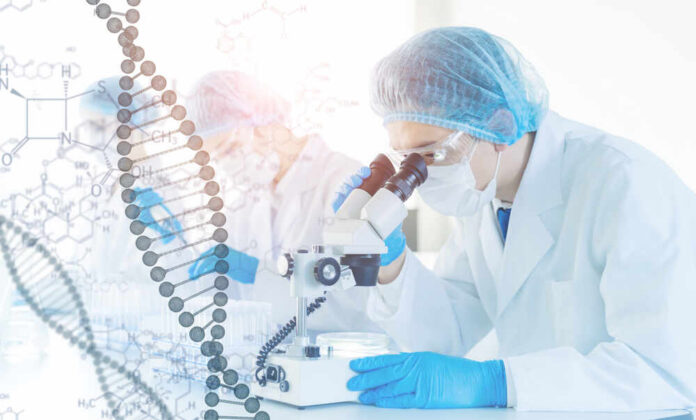
Scientists are closing in on DNA repair techniques that could reverse aging at the cellular level, challenging the government-pharmaceutical complex’s trillion-dollar symptom-management model while raising concerns about who will control access to potentially life-extending therapies.
Story Snapshot
- Researchers demonstrate DNA repair and epigenetic editing can reverse aging in mice, extending lifespan by 15% and rejuvenating aged cells
- CRISPR gene-editing technology now targets age-related cellular damage without altering genetic code, offering potential therapies for neurodegeneration and age-related diseases
- Recent 2026 discovery links broken SPRTN DNA repair enzyme to chronic inflammation and accelerated aging, opening new treatment pathways
- Breakthrough threatens pharmaceutical industry’s disease-management profits while raising ethical questions about unequal access to longevity treatments
DNA Damage Theory Gains Experimental Proof
Decades of research into the DNA damage theory of aging have produced concrete experimental validation. Studies on centenarians reveal elevated levels of DNA repair enzymes like PARP1 and Ku70, correlating superior repair capacity with extended lifespans. Mouse models engineered to overproduce the MTH1 repair enzyme lived 914 days compared to 790 days in control groups, a 15% lifespan extension accompanied by reduced anxiety behaviors. These findings confirm what researchers suspected since the 1970s: accumulated unrepaired DNA damage drives cellular senescence, apoptosis, and tissue decline that characterize aging.
CRISPR Rejuvenates Aged Cells Without Genetic Alteration
Harvard researchers led a 13-year study demonstrating epigenetic restoration reverses aging signs in mice without changing DNA sequences. CRISPR-Cas technology edits epigenetic marks like DNA methylation and histone acetylation in aged stem cells, reactivating viability genes and boosting regenerative capacity. This approach delays cellular senescence and restores function to deteriorated tissues. The technique addresses what scientists now recognize as epigenetic “information loss” independent of genetic mutations, offering a pathway to rejuvenation that sidesteps the risks of altering hereditary code. Biotech firms race to commercialize these stem cell therapies for age-related neurodegeneration and organ decline.
January 2026 Discovery Links Inflammation to Repair Failure
Scientists identified a critical mechanism in January 2026 connecting DNA repair breakdown to aging acceleration. When the SPRTN protease enzyme malfunctions, protein-DNA crosslinks accumulate and leak DNA fragments into cells, triggering chronic inflammatory responses that accelerate tissue aging. This discovery adds inflammation to the cascade of damage caused by repair deficiencies, complementing earlier findings on oxidative damage and chromosomal breaks. The SPRTN pathway offers pharmaceutical targets for anti-inflammatory interventions that could slow aging by preventing repair-related inflammation rather than merely treating symptoms after tissues degenerate.
Establishment Faces Disruption of Symptom-Management Model
The emerging DNA repair paradigm threatens entrenched pharmaceutical business models built on managing chronic age-related diseases rather than preventing cellular decline. Current treatments for neurodegeneration, cardiovascular disease, and metabolic disorders generate recurring revenue streams by addressing symptoms without tackling underlying causes. Repair-enhancing therapies and epigenetic restoration could delay or prevent these conditions entirely, collapsing demand for symptom-management drugs. This economic reality may explain why government health agencies and major pharmaceutical corporations have historically underfunded research into aging mechanisms compared to disease-specific treatments. The financial incentives favor keeping populations dependent on medications rather than restoring cellular health.
The DNA Fix for Aging https://t.co/is0g7eG6VU
— Content Carnivores (@ContentCarnivor) April 16, 2026
Ethical concerns compound economic conflicts as researchers advance toward human trials. Access to life-extension therapies could become stratified by wealth, creating a biological divide between those who can afford cellular rejuvenation and those left to age naturally. NIH funding decisions and FDA approval processes will determine whether these technologies benefit ordinary Americans or become exclusive to elites. The same government-corporate nexus that profited from managing chronic diseases now controls the regulatory pathway for interventions that could make those diseases obsolete, raising questions about whether bureaucratic gatekeepers serve public health or entrenched financial interests in the longevity marketplace.
Sources:
DNA damage theory of aging – Wikipedia
CRISPR-Cas Genome Editing for Rejuvenation of Aging Stem Cells
DNA Damage and Repair in Age-Related Inflammation – PMC
Loss of epigenetic information can drive aging, restoration can reverse it – Harvard Medical School
Broken DNA repair tool promotes aging – Phys.org
DNA damage and repair in aging—the central role of DNA repair in aging – Frontiers