With a single announcement of a U.S. Navy blockade in the Strait of Hormuz, global energy markets were jolted back into $100-plus oil—and American families are bracing for another hit at the pump.
Quick Take
- Oil prices jumped above $100 a barrel after U.S.-Iran peace talks in Pakistan collapsed and President Trump declared a naval blockade of the Strait of Hormuz.
- The strait handles roughly one-fifth of global oil and LNG flows, so even partial disruption can ripple into U.S. gasoline, diesel, and inflation.
- CENTCOM began implementing the blockade Monday, with reports describing restrictions around Iranian ports and maritime traffic.
- Analysts warned the biggest consumer impact may show up in diesel and jet fuel costs, pressuring shipping and travel even if gasoline lags.
Why the Strait of Hormuz blockade moved markets immediately
President Donald Trump said the U.S. Navy would begin blockading ships in the Strait of Hormuz after Vice President JD Vance’s marathon peace talks with Iran in Pakistan failed to produce a deal. Traders responded the way they usually do when a chokepoint is threatened: they priced in scarcity first and sorted out details later. Brent crude rose to about $102 and WTI climbed into the $104 range in early trading.
The speed of the price move reflects the strait’s outsized role in world energy logistics. Research cited by multiple outlets puts the figure around 20% of global oil and liquefied natural gas passing through this corridor off Iran’s coast. When that volume is at risk, refiners, shippers, insurers, and import-dependent countries all start paying more at once, even before physical shortages appear. That “fear premium” can become self-sustaining during an active shooting war.
Talks in Pakistan failed, and the ceasefire window closed
The diplomacy breakdown matters because it followed a short-lived opening. Trump previously tied a two-week ceasefire to Iran reopening the Strait of Hormuz, a condition that briefly cooled prices before negotiations collapsed. The weekend talks reportedly ran 21 to 24 hours and still failed, reinforcing the view that neither side is ready to concede under pressure. Markets interpreted that failure as a signal that disruption risks could last weeks, not days.
The current conflict backdrop is also doing much of the work here. The U.S.-Israel war with Iran began in February 2026, and oil prices surged sharply in the opening weeks as infrastructure was damaged and tanker traffic fell. Some reporting described maritime volumes dropping to a fraction of prewar levels, keeping energy costs elevated even when there were temporary diplomatic pauses. By late March, the national U.S. gas price had already crossed $4, leaving little cushion for another spike.
What CENTCOM’s enforcement means for shipping—and for U.S. inflation
CENTCOM’s move to begin the blockade Monday pushed the story from rhetoric to enforcement, which matters to insurers and shipping planners deciding whether to transit at all. Separate reports also described Iranian “toll” threats, another factor that can deter traffic without a single tanker being hit. Even if only a small share of ships divert or delay, the cumulative effect raises delivered fuel costs worldwide, and those costs frequently show up in U.S. inflation data with a lag.
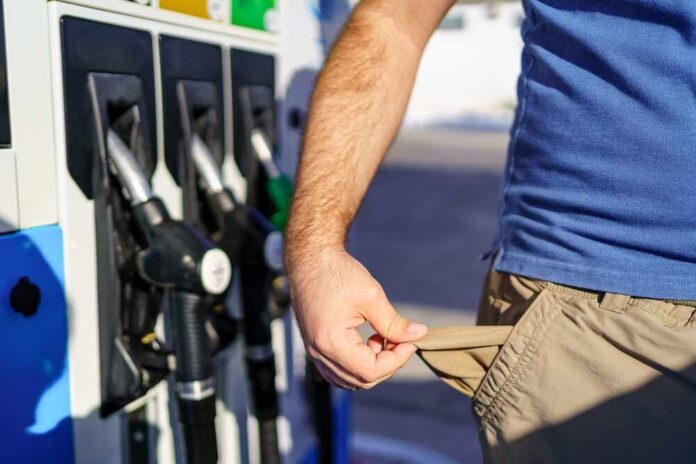
For everyday Americans, the biggest near-term pain may arrive through diesel and jet fuel, not just regular unleaded. Analysts quoted in coverage described the blockade as “very expensive,” warning that distillate fuel inflation can be dramatic because diesel underpins freight, farming, and much of the supply chain. Higher jet fuel costs can also raise airline pricing quickly. Once transportation becomes more expensive, groceries and consumer goods tend to follow—regardless of party control in Washington.
The political squeeze: energy security versus household budgets
The administration framed the blockade as leverage after diplomacy failed, but the domestic political math is hard to ignore. Trump publicly acknowledged oil and gas could get “maybe a little bit higher,” and analysts noted the potential for sustained price pressure heading toward midterms. Democrats are likely to attack the strategy as escalation, while Republicans will emphasize securing a critical waterway and countering Iran’s coercive tactics. The common risk is that voters experience policy through prices, not talking points.
Oil prices spike after failed US-Iran peace talks and Trump's blockade of the Strait of Hormuz https://t.co/bl7SvRGyY4
Oil prices rose after markets reopened on Sunday evening.
CESAR MANSO / AFPOil prices surged after the US and Iran failed to reach a deal during peace talk…
— America's Pick (@nims213) April 12, 2026
What’s clearest is how quickly foreign crises become kitchen-table issues when energy is involved. Conservatives who still blame prior green mandates and regulatory overreach for high baseline costs see less margin for error now, while many liberals who oppose hawkish tactics worry about retaliation and prolonged disruption. In that environment, public trust erodes further if Washington appears reactive instead of strategic. Limited public detail on timelines and end-states leaves Americans guessing how long “temporary” emergency measures will last.
Sources:
Oil prices surge after failed US-Iran peace talks and Trump’s blockade
Oil prices surge after Trump announces Iran blockade