At a raucous Queens town hall, Representative Alexandria Ocasio-Cortez warned that Immigration and Customs Enforcement now uses phone-based facial recognition on city streets, pulling everyone into a growing surveillance net.
Story Snapshot
- AOC urged New Yorkers to train as “legal observers” to monitor immigration enforcement in their neighborhoods.
- Reporting shows ICE field agents use a phone app, Mobile Fortify, to scan faces and check federal databases.
- The Department of Homeland Security says the tool is lawful, limited, and guided by strict privacy rules.
- Civil-liberties groups and some lawmakers want fuller disclosures on facial recognition use and data retention.
AOC’s Warning And The Local Pushback Plan
At a town hall in Astoria, Representative Ocasio-Cortez told constituents that immigration enforcement now rides on artificial intelligence and facial recognition. She said that makes everyone, not just undocumented immigrants, part of the dragnet. She announced “legal observer” trainings so residents can film and document enforcement activity without breaking the law. Her message landed amid loud cheers and frustration about trust in government, policing, and whether basic rights hold up during tense street encounters.
Ocasio-Cortez framed her warning as a response to new tools in the hands of federal agents. She argued scanners and database checks can sweep up bystanders and United States citizens, not only targets. Her plan asks neighbors to watch enforcement fairly and safely, not to interfere. The goal, she said, is sunlight: record what happens, keep notes, and know your rights. Supporters called it community defense; critics called it theater that risks inflaming confrontations.
What Mobile Fortify Does, And Why It Matters
Reporting by a major national outlet described how a phone app called Mobile Fortify lets Immigration and Customs Enforcement officers scan faces and fingerprints in the field. The app compares the scans against databases that include immigration status and other records, giving fast identity checks during stops and raids. This places biometric screening on sidewalks and doorsteps, not just in offices or ports of entry. The capability raises hard questions about consent, accuracy, and what happens to people’s data after a scan.
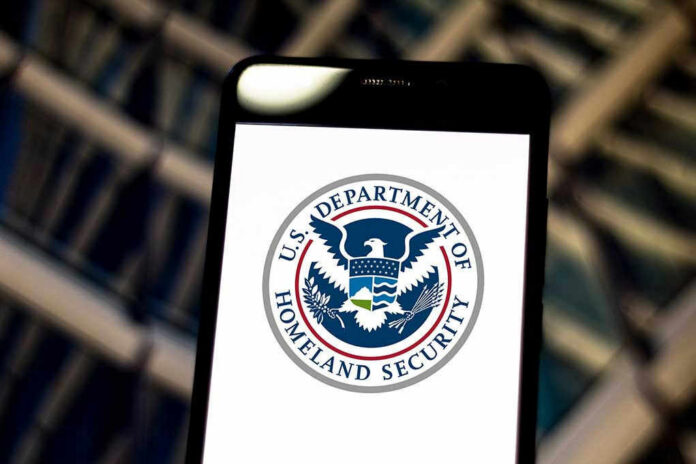
The Department of Homeland Security responded that the app is a lawful tool built to verify identity and status during enforcement actions. The department said it runs with a high match threshold and only queries limited Customs and Border Protection datasets. Officials also said use is governed by legal authorities and formal privacy oversight that sets strict limits on access, use, and retention. They added that courts have not blocked the app and that it is used nationwide within the law.
Civil-Liberties Concerns And Lawmakers’ Demands
Digital-rights advocates argue that handheld facial recognition during street stops invites mistakes and chills free speech. They warn that scans can capture protesters, observers, and passersby, and that errors can lead to wrongful arrests. A coalition of lawmakers has pressed for disclosures on how the government uses facial recognition, who gets scanned, how long data is kept, and whether people can opt out. One legislative proposal would block more funding for tools until those answers are public.
Supporters of the technology counter that faster, more accurate checks reduce wrongful detentions and help officers avoid misidentifying people during tense operations. They say field verification can prevent needless trips to stations and speed releases when records clear someone. They argue that strict thresholds and auditing can limit risks. The clash, then, is about scope and guardrails: how narrow the queries are, what data feeds them, and which independent checks keep the system honest.
Why This Fight Resonates Across Party Lines
New surveillance tools hit nerves because many Americans feel the system serves insiders first. Conservatives fear mission creep by federal agencies and the growth of a state that tracks citizens. Liberals fear biased policing and mass data collection that can be used to target vulnerable groups. Both sides see a risk when powerful tools roll out faster than oversight. Street-level facial recognition makes that fear tangible because the scan happens in public, in seconds, and often without consent.
What AOC left out of her ICE "surveillance state" warning:
Cameras on citizens? Fine.
Cameras that find illegal aliens? Suddenly a crisis. pic.twitter.com/3Q56YPArs6— Joseph Ferris ( Boopsy) (@bupc_boopsy) September 28, 2026
Clear, public rules can lower that fear. Transparent policies on when officers can scan, what databases they query, how they confirm matches, and how long records are stored would help. Independent audits and public reporting could show error rates and discipline for misuse. Community trainings can teach people how to document encounters safely. Policymakers can also define bright lines, like banning use at peaceful protests or on minors without a warrant, if evidence shows those steps are needed.
Sources:
facebook.com, news.meaww.com, thegatewaypundit.com, nypost.com