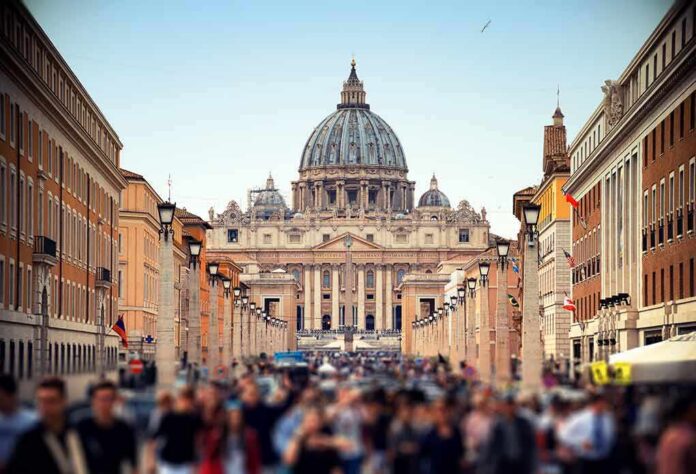
At Lourdes, the pope warned that making assisted death legal does not make it moral, calling it “false compassion.”
Story Highlights
- The pope rejected assisted dying as “false compassion” and urged protection of life.
- The remarks came at Lourdes before large crowds of sick and disabled pilgrims.
- France recently legalized assisted dying under strict conditions, drawing church opposition.
- Supporters say assisted dying honors patient autonomy and relieves suffering.
Papal Message Ties Human Dignity to Opposition to Assisted Dying
Pope Leo XIV told pilgrims in Lourdes on September 27, 2026, that society must reject causing death “under the guise of false compassion,” adding, “what is legal is not necessarily moral.” He grounded this stance in human dignity and Catholic teaching on life’s value. Reports describe the message as central to his France trip, which stressed care for the weak, disabled, and sick. The speech restated a long-standing church view that life should be protected to its natural end.
The Lourdes setting underlined that theme. Reporters estimated crowds of about 150,000 at the shrine known for prayer, healing, and mercy. The pope addressed people in wheelchairs and with visible disabilities. That setting helped frame his case as a defense of vulnerable people who may feel pressure at the end of life. Coverage said he linked dignity to refusing assisted death, echoing earlier Vatican explanations that euthanasia is gravely wrong in church teaching.
France’s New Law and the Church’s Response
France moved ahead this summer with a law that allows assisted dying in defined cases. Government updates and news reports said lawmakers backed access for adults with serious, incurable illness under strict rules. The change placed France among a small set of countries with legal paths to assisted death. French bishops voiced concern and explored legal avenues while calling for stronger palliative care options for people at the end of life.
Church-aligned outlets reported steady resistance from Catholic leaders before and during the trip. They highlighted statements that the right to life runs from conception to natural death and that ending life by design is wrong. The pope’s comments in Lourdes fit that line and arrived after the law took effect, giving the speech a direct policy backdrop. The message drew attention because it confronted a fresh national law from a site tied to hope and cure for the sick.
Supporters’ Case: Autonomy and Relief of Suffering
Advocates for assisted dying argue the practice offers control and relief to competent adults who face severe, incurable illness. They say people should choose the timing and manner of death and avoid needless pain. Ethics summaries describe this as a rights-based view: respect the patient’s autonomy and reduce suffering when medicine cannot cure. They also distinguish assisted dying from euthanasia in some places by requiring the patient to take the medication themselves.
Pope Leo XIV told sick and disabled pilgrims at Lourdes "you are not a burden," rejecting assisted dying as "false compassion", just weeks after France's new assisted-dying law took effect, and days after UK MPs voted down a similar bill.https://t.co/hthtCGgnFO
— Bernadette B. Tixon (@tixie_avis) September 27, 2026
This clash is now common across Europe and North America. The church frames the issue as guarding the vulnerable and defending life as a good in itself. Advocates frame it as honoring a person’s choices and easing pain. Both sides cite dignity, but they define it differently. That leaves lawmakers, doctors, and families to navigate hard trade-offs between personal freedom and social duties. In France, the law stands, but debate over care, safeguards, and pressure on patients will continue.
Sources:
osvnews.com, pbs.org, ground.news, dw.com, bastillepost.com