Libya’s top prosecutor says two pilots flew a Turkish business jet while intoxicated, then crashed it in Misrata, jolting faith in safety and transparency alike.
Story Snapshot
- Libyan prosecutors detained the captain and first officer after finding both intoxicated, pending trial.
- The Cessna Citation Latitude overran the runway at Misrata and caught fire; no serious injuries were reported.
- Investigators said they inspected wreckage, reviewed air traffic control data and weather, and questioned technicians.
- Early reports also floated engine trouble or landing-direction error, showing facts are still developing.
Prosecutor’s Findings and Detention Order
Libya’s Attorney General’s Office said it completed initial investigative steps and found the captain and first officer were intoxicated at the time of the Misrata runway crash. Officials then ordered both into pre-trial detention while the case moves forward under national law. The public account says the intoxication created a danger to the crew, the aircraft, and the airport. The office did not release toxicology numbers or lab details in its statements reported by the press.
Press summaries further say investigators confronted the pilots with evidence during interviews. The office stated that the work to date included examining the wreckage, checking air traffic control data and weather, and questioning landing technicians. Those steps suggest more than a simple accusation. They also show why many observers want the full file made public to verify methods, timing, and test standards once legal limits allow disclosure.
What Happened on the Runway in Misrata
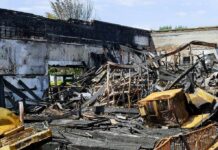
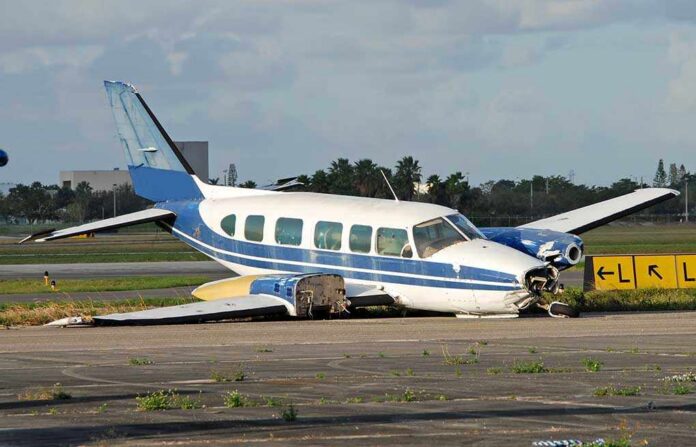
Reports identify the aircraft as a Turkish-registered Cessna Citation Latitude that overran the runway at Misrata International Airport on September 14, then caught fire. Officials said all three crew members survived without serious injury. Airport operations were disrupted after the crash. Early coverage differed on the cause, with mentions of a possible engine issue or an approach from the wrong direction during an emergency landing attempt, underscoring the need for complete data before causal blame is fixed.
Contemporaneous regional coverage also described an emergency landing following a technical fault in one engine. That detail, if confirmed, could matter for causation because a failed engine changes landing performance, rollout distance, and crew workload. It also highlights why investigators must merge toxicology, flight path data, and performance math to learn whether impairment, mechanical trouble, or both shaped the overrun and fire that followed on the Misrata runway.
Why Intoxication Claims Demand Clear Proof
A charge of intoxication is serious because it undermines trust in pilots and safety systems. At the same time, the public record so far does not show the actual test results, thresholds, or the lab chain of custody. That gap does not cancel the prosecutor’s claim, but it limits outside verification for now. A final report with toxicology packets, flight data, and interview notes would give the strongest basis for judging what drove the runway excursion and fire.
Pilots detained in Misrata private jet crash after prosecutors find crew intoxicated
Libyan judicial authorities have ordered the pre-trial detention of the pilot and co-pilot of a Turkish private jet that crashed at Misrata International Airport on Monday, following forensic… pic.twitter.com/hBmN6aKTU5
— The Libya Observer (@Lyobserver) September 16, 2026
Across many runway excursions worldwide, final findings often point to several factors acting together. Investigators sometimes cite unstable approaches, tailwinds, wet runways, poor braking, or speed control problems. That pattern is a reminder to wait for the full picture, not only the most vivid claim. In this case, clarity on wind, direction of landing, brake performance, and aircraft weight will matter alongside any confirmed impairment when authorities publish their conclusions.
What to Watch Next for Accountability
Key next steps include any release of toxicology details, such as blood alcohol levels, time of sampling, and lab accreditation. Disclosure of flight data and cockpit voice information, if available, would show decisions made in the final minutes. Transparent records can calm public fears, help families and owners understand risk, and guide training fixes. Without them, the space fills with rumor. People across the political spectrum know that secrecy feeds distrust, especially after a headline like “drunk pilots”.
Sources:
insiderpaper.com, nampa.org, turkiyetoday.com