Kid Rock’s onstage pledge for “one nation under God” and hard push for President Trump turned a Tennessee rally into a culture-war marker with clear political intent.
Story Highlights
- Kid Rock introduced President Trump at a Clarksville, Tennessee rally and praised his leadership.
- The musician attacked major news outlets as “public enemy number one,” echoing core Trump themes.
- Religious and constitutional language framed the moment as a fight over national identity.
- The event aimed to energize Republican voters ahead of the midterms, not lay out new policy.
What Happened On Stage In Clarksville
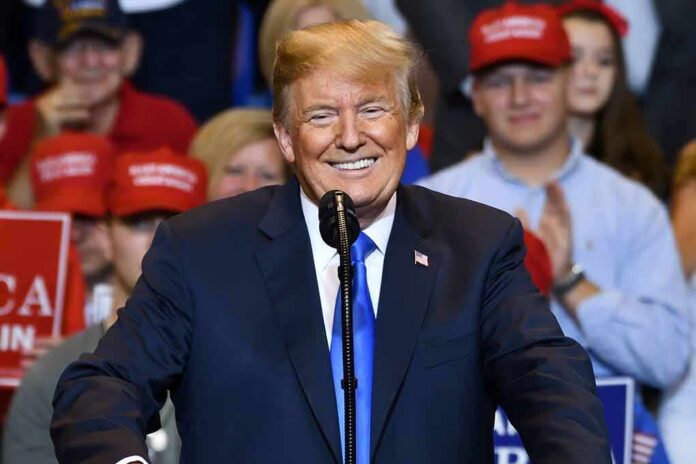
Reporters on site in Clarksville said President Trump took the stage around 3:20 p.m. after Kid Rock introduced him at F&M Bank Arena on October 10, 2026. A local station published video of the introduction, confirming the musician’s role and presence at the rally. Coverage described a classic campaign scene: a charged crowd, a celebrity warm-up, and a handoff to the president. The setup matched a national pattern where star power primes the audience before the headliner speaks.
Kid Rock focused on Trump’s toughness and resilience. One outlet quoted him calling Trump “the toughest and most resilient president ever,” casting criticism as fuel rather than harm. He also blasted major news outlets as “public enemy number one,” accusing them of chasing clicks over facts. That language fit long-running grievances on the right about media bias and coastal elites. It also tapped into broader public distrust of institutions that many Americans share across party lines.
Religion, Constitution, And Identity
Social media posts from the event highlighted Kid Rock’s religious and constitutional framing. He said the United States is and will remain “one nation under God,” and argued that no ideology can override the Constitution. Those lines framed the rally as more than a vote drive. They presented it as a defense of national identity, faith, and rule of law. That message resonates with conservatives wary of changing cultural norms and liberals who fear unequal treatment under the law.
The speech did not center on detailed policy. Available reporting emphasized endorsement, media criticism, religion, and national character. Sources did not document a list of policy proposals or data-backed arguments within Kid Rock’s remarks. That choice is common in campaign warm-ups. Celebrities often aim to spark energy and define stakes, while candidates handle platform specifics later. The absence of a policy list does not change the event’s clear partisan goal: boost turnout for Republicans.
Why This Moment Fits A Larger Trend
The Clarksville appearance fits a long-running playbook: celebrity endorsement to grab attention, rally a base, and push engagement. Research on celebrity politics shows mixed effects on persuasion. Some studies find little help or even backlash, while others show gains in attitudes and turnout. The most consistent payoff is attention and mobilization, which was the point here. The rally used Kid Rock’s voice to underline Trump’s themes and keep the crowd locked in.
Kid Rock introduces the 45-46-47 & 48th President Donald J. Trump at the Clarksville, Tennessee 2026 Midterms Rally! Warning…RAW & UNEDITED 🇺🇸📅🇺🇸 pic.twitter.com/8quOuqAOCp
— EagleNash107 (@EagleNash17) October 10, 2026
The rally also channeled anger many Americans feel toward powerful institutions. People on the right hear echoes of fights over speech, faith, borders, and energy costs. People on the left hear worries about fairness, wealth gaps, and treatment of minorities. Both sides doubt Washington’s focus on everyday life. By praising Trump’s grit and blasting the media, Kid Rock touched shared frustration that leaders and gatekeepers protect themselves first, while families face rising costs and fading trust.
What To Watch Next
Campaigns will likely repeat this model through Election Day: known voices to frame identity, then the candidate to drive voting. Watch for more celebrity surrogates at key stops, local tie-ins that fit state culture, and messages that stress belonging and rights over white papers and charts. Also watch whether Democratic events mirror this style with their own endorsers. The test is less about instant persuasion and more about who turns interest into votes when it counts.
Sources:
youtube.com, tennessean.com, yahoo.com, justthenews.com, themirror.com, news.ncsu.edu, ijoc.org, insight.kellogg.northwestern.edu