Protesters repeatedly interrupted President Trump’s San Antonio rally for Ken Paxton, turning campaign messaging into a test of control inside the arena.
Story Highlights
- Trump campaigned for Senate candidate Ken Paxton at San Antonio’s Freeman Coliseum.
- Protesters disrupted the speech multiple times; several were escorted out.
- Trump endorsed Paxton and centered the message on turnout and border security.
- The clash underscored how protests can overshadow planned campaign themes.
Rally Focused on Boosting Paxton and Republican Turnout
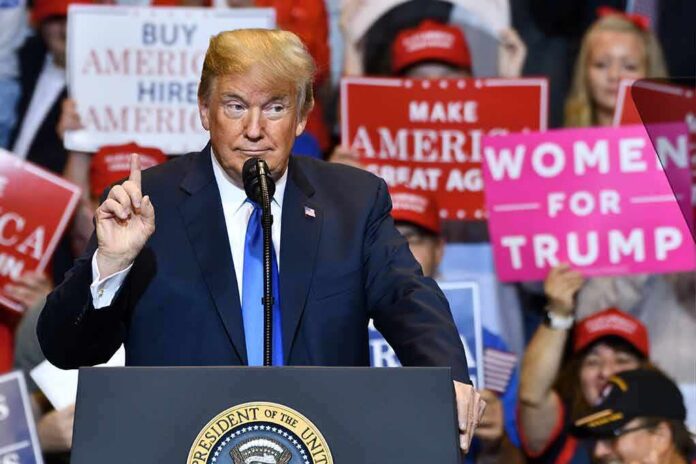
President Trump headlined a rally at San Antonio’s Freeman Coliseum to energize Republican voters and bolster Senate candidate Ken Paxton ahead of the midterms. Trump framed the event as part of a broader push to “keep Texas red,” tying Paxton’s race to national stakes. The National Republican Senatorial Committee announced the appearance as a coordinated effort to cut taxes, protect communities, and defend the party’s hold on Texas. Local outlets set the location, timing, and turnout goals for the rally.
Trump endorsed Paxton from the stage and urged supporters to back him at the polls. Coverage quotes Trump praising Paxton and highlighting immigration, border security, and crime as defining issues. The message fit the “America First” frame that Republicans say speaks to rising costs, crime, and border strain. The campaign aimed to convert Trump’s draw into votes while signaling strength to donors and party leaders watching a close race. Broadcast and local coverage confirmed these themes across the night.
Protests Disrupt Remarks and Trigger Ejections
Protesters interrupted Trump’s remarks several times, drawing boos from the crowd and leading to multiple removals by security. Some outlets reported at least a half dozen disruptions, while others cited higher counts; the exact number varies by report. One demonstrator appeared close to the stage before being escorted out, according to local coverage. The interruptions forced pauses in the speech and spurred chants from supporters, as staff and security worked to restore order inside the arena.
Reporters on the scene described a cycle of disruptions, crowd reactions, and ejections that punctuated Trump’s message. The back-and-forth energized supporters yet also consumed valuable stage time. That dynamic matched a familiar campaign pattern where short, conflict-heavy moments shape how an event is remembered, even when most of the program is standard turnout messaging. Coverage emphasized the disruptions across national and local outlets, reinforcing that frame through headlines and clips.
How the Clashes Fit the Bigger Electoral Play
Modern rallies serve two aims: push a clear message to core voters and produce visuals that travel online and on television. Wednesday’s event did both, but the clashes risked eclipsing the substance. Communication research and years of campaign cycles show that protest moments often dominate news coverage more than policy lines do, which can blur what campaigns want voters to hear. That tension shaped the San Antonio narrative, despite the event’s turnout goals and endorsement stagecraft.
For many Americans, the scene tapped shared worries about politics as a show run by elites while real problems fester. Supporters heard pledges on border security and crime. Opponents tried to challenge the message in the room. Both sides saw a system that rewards spectacle. The basic fact remains: Republicans used a sitting president’s brand to lift a Senate bid, while protest energy tried to interrupt that push. Voters now decide which image sticks when they mark their ballots.
Sources:
youtube.com, abcnews.com, pbs.org, ksat.com, washingtonexaminer.com, nrsc.org, fox26houston.com, foxnews.com