Parents say a principal’s “holiday-free” December order went too far, while the district insists no policy changed and lessons on traditions can continue.
Story Snapshot
- A November memo told Harwich Elementary staff to keep December “holiday-free,” removing Christmas and Hanukkah symbols.
- The guidance allowed generic winter decor but barred items like trees, Santa, menorahs, and dreidels.
- Parents cited recent Halloween and Thanksgiving events to question why December was different.
- The superintendent said no district policy changed and that teaching about diverse traditions is supported.
What the Principal’s Memo Reportedly Said
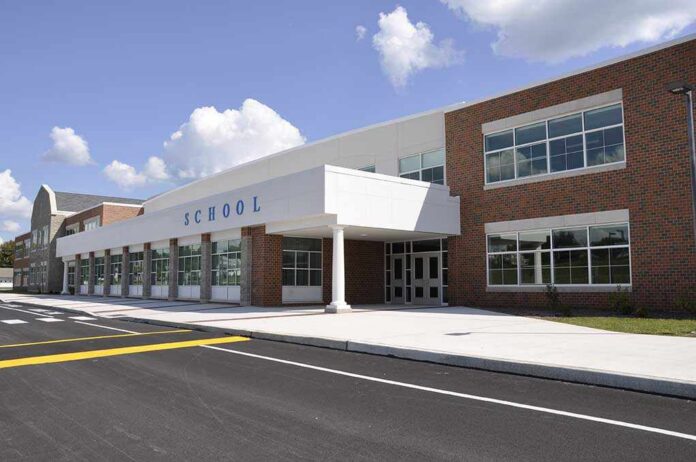
Reports say Principal Christie Cutone told staff in late November to keep a “holiday-free environment” in December at Harwich Elementary in Massachusetts. The message, as quoted by media, asked teachers to avoid Christmas trees, Elf on the Shelf, Santa imagery, menorahs, and dreidels. It also discouraged holiday-themed worksheets, crafts, and videos. The memo pointed staff to neutral winter ideas like snowflakes and snowmen. Reporters did not publish the full memo, so the entire context is not public.
The reported language drew a bright line between winter and holiday content. It called for removing holiday decorations from the building while allowing seasonal “cozy reading” themes and winter animals. Parents read this as a ban on December celebrations, not a push for balance. Because the full document is not posted, we cannot see any exceptions, timelines, or enforcement details. The dispute turns on how strictly those lines were meant to be applied in classrooms.
Why Parents Pushed Back
Parents argued the rule treated December differently from other recent events. They pointed to a Halloween parade and a week of Thanksgiving activities. One parent asked why the school could keep those events yet “strip away” December holidays. Another said a private parent Facebook group drew more than 100 mostly negative replies. Some students wore holiday hats in protest. These accounts show energy behind the pushback, but they do not prove how the memo was enforced day to day.
Parents from both left and right often share a core worry: top-down rules can ignore common sense. They see a memo like this and fear local voices were not heard. Many also fear officials care more about avoiding complaints than serving students. That frustration fits a wider pattern in public schools. Districts try to avoid endorsing religion, yet families worry that careful neutrality can turn into hostility toward culture and faith when rules seem one-sided or absolute.
What the District Says Happened
Monomoy Regional School District Superintendent Robin Millen said no policy changes were made. He called the principal’s message a routine reminder to be culturally responsive. He said it supported both seasonal celebrations and teaching about diverse traditions within the curriculum. This account frames the memo as guidance, not a ban. That statement gives the district’s clear view of intent, even though the reported memo’s details appear more restrictive.
This clash highlights a gap that angers families nationwide: administrators issue careful legal guidance, while parents hear a hard stop. Without the full memo or a follow-up clarifying note, the gap widens. The district controls staff emails and records, which can create an information edge. Parents hold stories and screenshots, which can be incomplete. Better transparency—posting the memo, explaining examples, and stating what teachers can still do—would lower the heat and raise trust.
Where the Law and Practice Often Land
Courts have long said public schools must stay neutral, not hostile, toward religion. Schools can teach about holidays as part of culture and history if done fairly and not devotionally. Legal guidance often allows temporary use of religious symbols as teaching aids in a broader, balanced lesson. The line gets blurry when a school’s goal shifts from education to celebration. That is why clear purpose, evenhanded treatment, and plain language matter so much.
Breaking News
Fury as New England school bans Christmas and warns staff as well as parents that buildings must remain a 'holiday-free environment'A New England elementary school has sparked backlash after ordering teachers and families to keep the school 'holiday-free' over… pic.twitter.com/pkmrfOrodx
— News News News (@NewsNew97351204) November 25, 2026
In practice, consistency is key. If a school holds a Halloween parade and rich Thanksgiving activities, then bans any December holiday symbols, families see a double standard. The fix is not to swing from “all” to “nothing.” The fix is to teach about many traditions, set age-appropriate guardrails, and apply the same standard across the calendar. Parents deserve a transparent rubric, with examples of what is allowed, what is not, and why.
What to Watch Next
First, watch for the district to release the full memo or a clarified version. That would show whether classroom lessons about Christmas, Hanukkah, and other traditions can still include neutral, instructional use of symbols. Second, track whether teachers were told to remove items, cancel activities, or change plans. Third, look for school board discussion that codifies a consistent year-round standard. These steps would help rebuild trust and focus December on learning, not standoffs.
Sources:
washingtontimes.com, boston25news.com, capecodchronicle.com