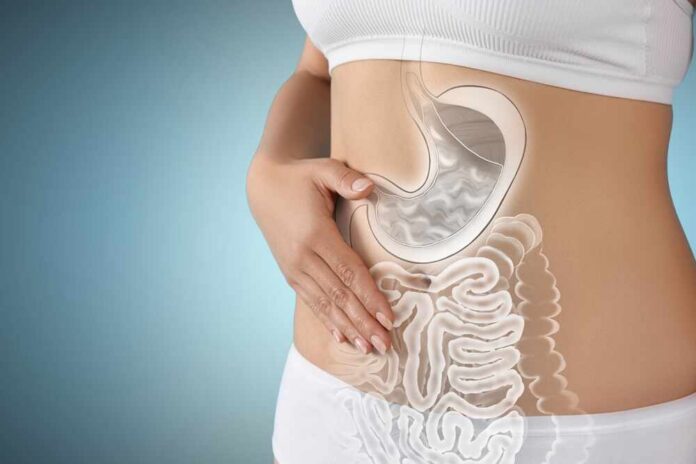
A simple five-day diet each month slashed Crohn’s symptoms for nearly 70% of patients, offering everyday Americans a practical path to reclaim health from Big Pharma’s grip.
Story Highlights
- Stanford trial showed rapid relief after just one five-day fasting-mimicking diet cycle in mild to moderate Crohn’s patients.
- Nearly 70% achieved clinical response without changing standard medications, proving dietary resets work.
- Plant-based, low-calorie regimen mimics fasting to cut inflammation, far easier than daily restrictions.
- Commercially available kits empower self-management, challenging expensive drug dependency.
Stanford Trial Delivers Rapid Crohn’s Relief
Stanford Medicine researchers led by Sidhartha Sinha conducted a randomized trial with 97 adults suffering mild to moderate Crohn’s disease. Participants followed a five-day fasting-mimicking diet (FMD) once a month for three months while maintaining usual care. This plant-based, low-calorie plan triggered metabolic shifts that reduced gut inflammation and symptoms like pain and diarrhea. Improvements emerged after the first cycle, with assessments confirming progress by the third.
Fasting-Mimicking Diet Outshines Daily Regimens
The FMD differs from traditional low-residue or specific carbohydrate diets by requiring only periodic adherence. Developed from Valter Longo’s work at USC, it leverages fasting’s anti-inflammatory effects seen in animal models and prior human studies. Unlike continuous plans that demand lifestyle overhauls, this approach allows normal eating 25 days a month. Trial data revealed drops in inflammatory markers and immune gene changes, validating its biological mechanism for Crohn’s flare control.
Expert Insights Affirm Practical Benefits
Sidhartha Sinha noted improvements appeared rapidly, even after one cycle, despite normal eating otherwise. The regimen reduced reliance on steroids for flare management in mild cases. Dietitians endorse low-fiber strategies but highlight FMD’s evidence from this rigorous trial over anecdotal plans. Patients gain a sustainable adjunct to medications, with no therapy escalations needed between groups. This aligns with conservative values of personal responsibility and limited intervention.
Impacts Challenge Pharma Dominance
Short-term, 70% response rates offer flare alternatives; long-term, immune modulation may prevent relapses. Crohn’s patients, especially adults with mild symptoms, benefit most amid few non-drug options. Economically, ProLon kits cost $200-250 per cycle versus pricey biologics, promoting self-management over government-subsidized healthcare bloat. The IBD community welcomes dietary hope, spurring more research into periodic nutrition therapies that reduce industry overreach.
Sources:
A Five-Day-a-Month Diet Shows Promise for Crohn’s Disease Relief
The Power of a 5-Day Fasting Mimicking Diet for Crohn’s Disease
Crohn’s & Colitis Foundation Gut Friendly Recipes
Creating a Crohn’s Disease Diet Plan – WebMD