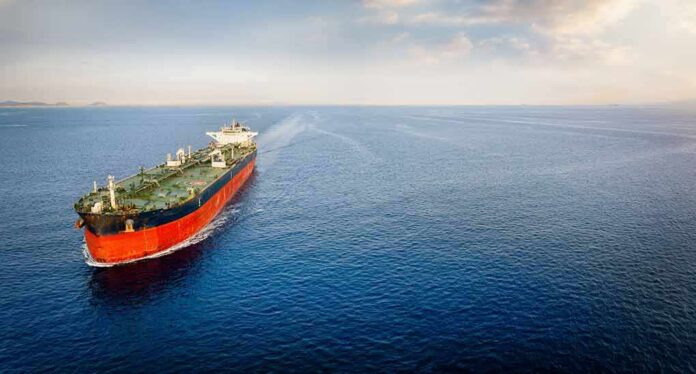
U.S. forces struck three Iranian oil tankers after Iran fired ballistic missiles at two American Navy ships, pushing a long-running Gulf standoff into riskier waters.
Story Snapshot
- Central Command linked the tanker strikes to missile attacks on U.S. warships.
- Iran and the United States traded claims about what triggered the latest blows.
- Shipping in and around the Strait of Hormuz remains under threat from both sides.
- Escalation raises costs for energy markets and for U.S. sailors and regional crews.
What U.S. Central Command Says Happened
U.S. Central Command said American forces hit three Iranian crude oil tankers on Saturday. The command tied the action to Iran’s launch of ballistic missiles at two U.S. Navy ships earlier that day. The Pentagon message stressed that the strikes aimed to deter follow-on attacks and reduce Iran’s ability to fund its military proxies. Officials have also highlighted a broader effort against Iranian maritime assets during recent waves of strikes. These claims frame the tankers as part of a hostile support network.
Central Command statements in recent months have described a pattern: disable or destroy maritime assets used to skirt blockades or threaten ships, then message deterrence to Tehran. U.S. officials argue this is necessary after repeated hits on commercial vessels and allied targets around the strait. The United States has presented this as defensive action under pressure, not a bid for open war. That position echoes earlier announcements about targeting radar, air defenses, and mine capabilities.
How Iran Describes the Same Clash
Iranian officials and state media have cast the sequence very differently. The Iranian military has claimed it responded to U.S. aggression after an American attack on an Iranian tanker, and it said its counterstrikes damaged U.S. ships. Iran’s foreign ministry has also described recent operations as “defensive” actions against U.S.-linked military targets. Iranian outlets further alleged two tankers exploded on a mined route, a claim U.S. officials rejected as false. These counter-claims remain contested.
Iran’s Revolutionary Guard has, at times, labeled targeted ships “non-compliant” and accused them of ignoring warnings or trying to use undeclared routes under U.S. escort. Such language seeks to place legal blame on ship operators and the United States. The back-and-forth shows how each side builds a lawful-use-of-force story for home and global audiences. Independent, verified timelines are rare in the first days after these incidents, which leaves room for competing narratives to harden.
Why This Matters Beyond Today’s Headlines
The Strait of Hormuz carries a large share of the world’s oil and gas. Strikes on tankers and warships there threaten energy flows, raise insurance costs, and risk deadly accidents among civilian crews. Multiple reports this year have documented missile, drone, and interdiction events in and near the waterway, keeping shippers on edge. When escalation hits this chokepoint, Americans feel it through energy prices, while U.S. sailors face greater danger on routine patrols.
US strikes 3 Iranian oil tankers after saying warships were target https://t.co/nrFxwpqWzZ pic.twitter.com/3B8lmBpqIR
— PakistanPulse (@Pakpulse247) September 5, 2026
For readers across the political spectrum, the deeper concern is that decisions in Washington and Tehran can upend daily life while answering to distant elites. Conservatives see risk to energy security and to service members’ safety. Liberals see the danger of another open-ended conflict and stress on global trade and civilian workers. Both sides doubt that the government is solving root problems. Clear goals, legal grounds, and limits matter if leaders want public trust and real deterrence.
What To Watch Next
Watch for firm details from the Pentagon on the missile attack timeline and on how the tankers allegedly supported those strikes. Look for satellite images, ship tracking, and crew statements that confirm locations and damage. Monitor whether shipping companies change routes, pause sailings, or raise prices, which would signal lasting risk to energy markets. Finally, watch if either side widens targets beyond the Gulf. Wider strikes would boost the odds of miscalculation and a spiral both sides say they do not want.
Sources:
reuters.com, centcom.mil, navytimes.com