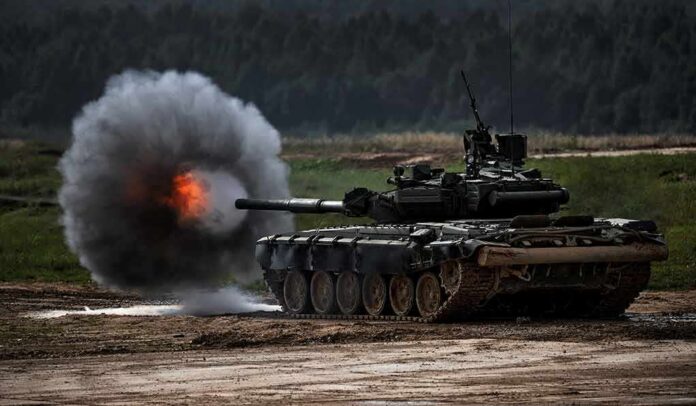
Two Bangladesh Army soldiers died and an officer was badly hurt when a tank exploded during a live-fire drill at Hathazari.
Story Highlights
- Bangladesh Army confirms two dead and one officer injured in Hathazari tank blast
- Explosion occurred while firing the main gun during a field exercise
- Injured officer was airlifted to Combined Military Hospital in Dhaka
- Officials opened an inquiry; exact cause not yet released
What Happened at the Hathazari Firing Range
Bangladesh Army personnel were conducting a field firing drill on September 9, 2026, at the Hathazari Field Firing Range in Chattogram when a tank exploded. The blast killed two soldiers and seriously injured an officer, according to reports that cite the army’s media office. The explosion happened while the crew was firing the tank’s main gun during the exercise. An investigation is underway, and the military has not yet provided a technical cause for the failure.
Range staff moved fast after the blast. Responders secured the site and called for a medical evacuation. The injured officer was flown by helicopter to Combined Military Hospital in Dhaka for advanced treatment, as reported by outlets that referenced official updates. Local and defense reporters described a chaotic scene on the firing line, with emergency crews working around damaged armor and unexploded ordnance risks while stabilizing the survivor for airlift.
Details on the Tank and The Open Questions
Some coverage identified the vehicle as a Chinese-origin Type 59 main battle tank based on video and local reporting. The Bangladesh Army has not officially confirmed the exact model of the tank involved, and the public statements do not include a serial number or maintenance record. Reporters also noted that the army’s media office opened an inquiry but has not yet released findings about whether ammunition, a breech failure, or another mechanical issue caused the blast.
The Daily Star and other regional outlets matched on core facts: the location, the time window, the casualties, and the medical evacuation. They also aligned on the source of confirmation, which was the army’s press office, known for issuing brief initial updates during crises. These shared details offer a solid baseline. Still, the lack of a public technical report means specific failure points remain unknown. That gap often closes only after a formal board reviews logs and wreckage.
Why This Incident Resonates Beyond Bangladesh
Military training accidents often follow a pattern: quick casualty reports, then a longer wait for a cause. Defense organizations worldwide tend to release short initial statements, then conduct deeper reviews that can take weeks or months. That delay can frustrate families, service members, and citizens who want clear answers. It can also feed debates over equipment age, foreign sourcing, maintenance, training standards, and command oversight until official findings arrive.
Prime Minister Tarique Rahman visited CMH to see the Bangladesh army officer who was critically injured in an accident during a tank live-fire exercise in Hathazari, Chattogram.
His survival after that massive explosion is a pure miracle. https://t.co/7zID4yUcDk pic.twitter.com/2WJE5aUtnb
— Defence research forum DRF (@Defres360) September 11, 2026
For American readers, the lesson is familiar. The United States Army maintains data on mishaps and pushes leaders to study patterns to prevent repeats. People across the political spectrum here worry that institutions protect themselves first and explain later. When brief updates stretch into silence, trust erodes. That is why timely and transparent release of the final Hathazari findings—what failed, why, and how to fix it—matters well beyond one range and one tragic day.
Sources:
thegatewaypundit.com, mid-day.com, wionews.com, youtube.com, thedailystar.net