Americans just learned the United States may have been minutes from a new war with Iran—and once again, the story of who really called the shots is murky, elite-driven, and largely hidden from public view.
Story Snapshot
- Trump says he postponed a “scheduled” major attack on Iran after last-minute pleas from Gulf allies.
- He insists the goal is a deal that guarantees “no nuclear weapons for Iran,” while keeping a massive strike ready “at a moment’s notice.”
- Media reports confirm a planned strike and a pause, but not the dramatic “hour away” timeline.
- Both war and diplomacy are being negotiated above the heads of ordinary Americans who will pay the price if Washington gets it wrong.
Trump Confirms Planned Strike, Then Publicly Pulls Back
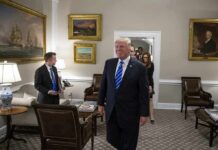
President Donald Trump said this week that the United States was preparing a “very major attack” on Iran, only to halt it shortly before it was set to begin. He told reporters, “We were getting ready to do a very major attack tomorrow. I put it off for a little while, hopefully maybe forever.” Multiple outlets report he described the strike as “scheduled” for today or Tuesday, indicating planning had moved beyond vague threats into the operational calendar.[3][5][6]
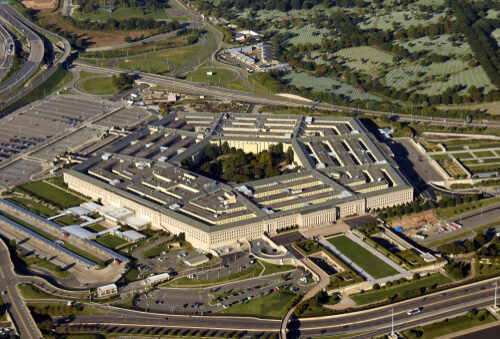
Trump framed the pause as a temporary reprieve, not a full reversal. Coverage of his remarks notes that he directed his defense leadership to remain ready for a “full large-scale assault on Iran on a moment’s notice” if diplomacy fails.[3][5] That means American forces are still postured for rapid escalation, while the public is left guessing how close the country actually came to another open-ended Middle East war and what would trigger renewed action.[2][4]
Gulf Allies, Backchannel Talks, And A Deal With No Text
Trump said leaders of Saudi Arabia, Qatar, and the United Arab Emirates personally urged him to stand down, asking for a delay of “two or three days” because they believed they were “getting very close to making a deal” with Iran.[3][5][6] Reports identify specific leaders—such as the crown prince of Saudi Arabia and the president of the United Arab Emirates—as the ones he credited with persuading him to pause the strike.[6]
News segments describe “serious negotiations” and backchannel talks involving mediators like Pakistan and Gulf states, with the central U.S. condition being that Iran never acquire a nuclear weapon.[2][4][6] Yet none of the provided material includes an actual draft agreement, written proposal, or joint statement from Iran and the United States. Viewers hear about a possible deal, and even reported ideas like limiting Iran to a single nuclear facility and exporting enriched uranium abroad, but only through secondary reporting and leaks rather than primary documents.[4]
How Close Was The War Really—and Who Decides What You Know?
Trump and several broadcasters present the attack as imminent, with some commentary saying it was almost underway before being halted.[1][2] However, the available coverage does not contain Pentagon execute orders, aircraft launch logs, or situation-room records demonstrating the operation was literally “an hour away” from execution. The language around timing—“today,” “tomorrow,” “Tuesday”—varies from clip to clip, which makes it harder to verify precisely how close the trigger point actually was.[1][2][3][5]
🚨INSIDE ISRAEL INTEL UPDATE: IRAN WAR, DAY 81
The war's diplomatic pause continues for at least another day. President Trump confirmed he called off a planned major strike on Iran after appeals from Saudi Arabia, Qatar, and the UAE, giving negotiations another narrow window… pic.twitter.com/iWdPNwcPoD
— Inside_Israel_Intel (@inside_IL_intel) May 19, 2026
This gap between dramatic presidential storytelling and thin public evidence is exactly what fuels Americans’ distrust across the political spectrum. Conservatives who are tired of endless, expensive wars see yet another near-miss in a region where trillions have already vanished. Liberals who worry about unchecked executive power see a commander in chief publicly toying with large-scale strikes while the underlying intelligence, legal rationale, and risks to civilians remain classified or filtered through talking points.[1][2]
What This Episode Reveals About A Failing System
From the Iran side, reports mention that talks are happening through intermediaries and that Tehran insists it will defend its “dignity and rights,” underscoring how far apart the two governments still are even as they test possible compromises.[4][6] From the American side, the pattern looks familiar: decisions about war and peace are shaped in private by the White House, the Pentagon, and foreign rulers who control oil and shipping lanes, then presented to citizens as a last-minute cliffhanger.
For ordinary Americans—whether they lean America First or favor diplomacy and social spending—the common thread is a government that asks for trust while withholding hard facts. Media outlets repeatedly echo Trump’s version of events, but cannot independently show how close the bombs came to flying or how much influence foreign monarchies had on the final call.[1][2][3][4][5][6] When life-and-death decisions are made this way, skepticism is not cynicism; it is basic self-defense in a system that too often keeps the people in the dark.
Sources:
[1] YouTube – Trump calls off new Iran strikes after urgings from Middle East allies
[2] YouTube – Trump Freezes Iran Attack After Gulf Pressure, Israel Prepares for War
[3] YouTube – U.S. President Trump calls off ‘scheduled’ attack on Iran
[4] YouTube – Trump says he called off a new Iran attack at request of Gulf states
[5] Web – Trump: I called off attack on Iran planned for Tuesday | Euronews
[6] Web – Donald Trump delays Iran strike, says nuclear deal still …