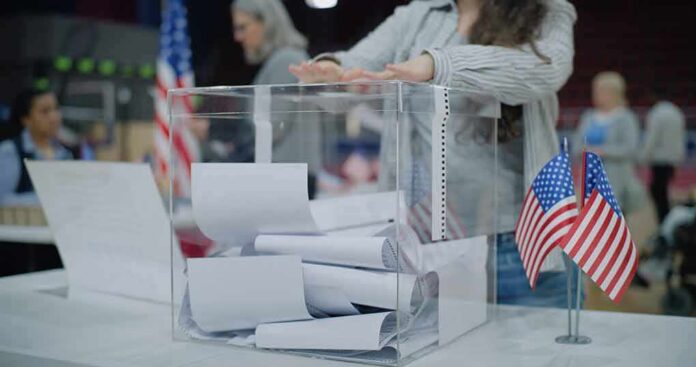
An overwhelming share of voters tied their midterm choice to the Iran war—and many punished the party in power.
Story Snapshot
- NBC’s exit poll found most voters said the Iran war mattered to their vote.
- Voters who cared about the war backed Democrats by wide margins, reports said.
- Most voters said military action against Iran was the wrong decision.
- President Trump and Vice President Vance both linked GOP losses to the war.
What Voters Said About The Iran War
NBC News reported that nearly three in four voters called the Iran war a crucial or major factor in their vote. The same exit poll found most voters thought the United States made the wrong decision to strike Iran. Other outlets, citing the same polling, said voters who cared about the war leaned heavily toward Democratic candidates. One account put that margin at about six in ten for Democrats among those voters. These results set the frame for understanding the swing.
Some reports broke out the intensity. They said about one third of voters called the war “crucial,” while another chunk called it a “major” factor. Together, that made up the headline 74 percent figure, but it combined different levels of concern. That detail matters. It shows strong interest, but not that three in four voters saw the war as decisive over every other issue. Still, the shared direction points to real political damage for the governing party.
How Issue Salience Translated Into Votes
Among voters who said the war mattered, Democrats won large margins, according to several summaries of the exit data. One conservative outlet cited a 62 percent to 35 percent Democratic edge in that group. That aligns with a broader reading that foreign policy, usually a second-tier issue in midterms, jumped to the front this year. Responsible Statecraft described unusual gains for Democrats in states beyond their base, suggesting the war helped widen the playing field. The pattern shows cross-pressures that cut across party lines.
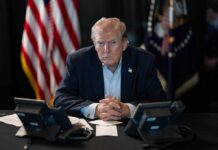
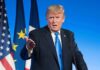
Leadership comments reinforced that picture. President Trump told Fox Business, “I think a part of it was Iran,” acknowledging the war’s role in the outcome, as summarized by The Daily Signal. Vice President J.D. Vance went further, reportedly saying Republicans lost because of the Iran war, and that Trump had said so as well. These statements do not prove causation, but they signal that senior officials see the war as a major political cost. Voters often hold leaders to account when wars feel open-ended or costly.
The Economy Still Weighed Heavily
Countervailing data showed the economy and affordability were also top drivers for many voters. One exit-poll recap said 39 percent named the economy as the single most important issue, and nearly nine in ten said affordability was a crucial or major factor. A late-campaign poll listed cost of living and government corruption above ending the Iran war, which only 6 percent named as their top issue. These findings show that pocketbook strain and distrust still shaped choices alongside war fatigue.
Economic analysis before the vote warned that higher prices, slower wage growth, and rising housing costs could shift support. It treated war-driven fuel costs as an aggravating factor, not the only cause of voter anger. That view fits a broader midterm pattern where the president’s party usually loses seats when approval is weak. Historical summaries show governing parties often face losses in midterms under those conditions, making a one-issue explanation incomplete. The Iran war likely layered onto that headwind.
What This Means For Both Parties
Democrats gained by aligning with voter frustration over the war while also channeling anger at high prices. Reports noted strong Democratic performance among voters who felt the war mattered most, suggesting a coalition of antiwar sentiment and economic stress. Republicans now face a strategic choice. They can argue the war served national security goals, or they can recalibrate to address the political cost at home. Leaders’ own comments point to an internal reckoning on risk, cost, and clarity of mission.
US President Donald Trump acknowledges Iran war played central role in Republicans' sweeping midterm election defeats after Vice President JD Vance urged party to confront conflict's political fallouthttps://t.co/k5d3RWYqeV
— Daily Sabah (@DailySabah) November 4, 2026
For voters on both left and right, the throughline is accountability. Many believe Washington’s decisions raise prices, drain trust, and ignore working families. The exit polls show anger that cut past party labels and media spins. But limits remain. The public reporting does not reveal full questionnaires, crosstabs, or methods, which makes it hard to isolate the war’s exact effect from inflation or corruption concerns. Even so, the bottom line is clear: when leaders choose war, voters send the bill.
Sources:
lifesitenews.com, commondreams.org, haaretz.com, galvnews.com, news.abplive.com, ground.news, indiatoday.in, defensa.gob.es, sciencedirect.com