A formal watchdog report says a Cabinet official took staff to a strip club and ran a toxic office.
Story Highlights
- The Labor Department’s inspector general issued a report on Lori Chavez-DeRemer’s conduct.
- The report cites a “toxic” workplace and an “inappropriately close” tie to a security staffer.
- Chavez-DeRemer resigned in April while the probe neared completion.
- Her attorney denies wrongdoing and notes no laws were found broken in the report.
What The Watchdog Found And Why It Matters
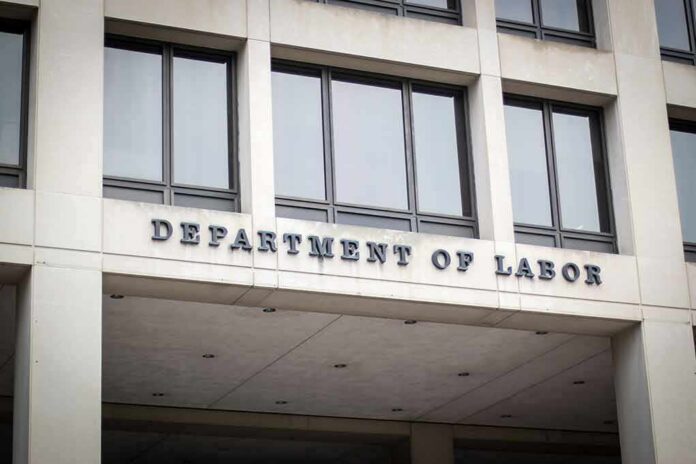
The Labor Department’s Office of Inspector General released a report on September 3, 2026, detailing findings about former Labor Secretary Lori Chavez-DeRemer’s conduct. The report says she fostered a “toxic, intimidating and humiliating” environment and had an “inappropriately close” relationship with a member of her security detail. The report also describes misuse of public resources and on-the-job drinking, drawing on interviews and records. These findings add to a pattern of ethics cases where oversight offices judge conduct against civil standards, not criminal ones.
Politico’s account highlights vivid episodes, including a small-town strip club visit during an official trip, and behavior that left staff feeling pressured. ABC News summarized the inspector general’s conclusion that the workplace culture was harmful and that boundaries with security staff were crossed. Such details, if accurate, suggest lines between personal life and public duty were blurred. That is exactly the line the public expects leaders to hold firm, regardless of party or policy fights.
Timeline: From Allegations To Resignation
Questions about conduct escalated early this year, with senior aides placed on leave as the inquiry widened. President Trump’s Labor Secretary resigned in April as the investigation neared its end, even as she rejected the claims. Media reports flagged related personnel actions, including steps taken involving a security officer tied to the alleged relationship. The inspector general’s final report arrived months later, setting a documented baseline for what the department’s watchdog says happened.
Chavez-DeRemer and her legal team have pushed back. Her attorney said she denies wrongdoing, cooperated with investigators, and that the report does not say she broke any laws. A department spokesperson earlier called the accusations baseless. Her public statements framed the allegations as attacks by powerful insiders and media, which echoes broader distrust many Americans feel toward Washington. Still, the inspector general’s document stands as the formal government record of the case.
What This Reveals About Washington’s Accountability Gaps
Inspector general offices are built to check misuse of taxpayer money, travel, and authority, and they do so under administrative standards. The Labor Department’s own oversight site shows many such cases across agencies, often involving travel rules, workplace conduct, and ethics boundaries. Past federal cases from other departments show similar patterns, where personal behavior and public money collide and trust erodes when leaders forget who pays the bills.
An extensive Office of Inspector General report released Sept. 3, 2026, confirmed former U.S. Labor Secretary Lori Chavez-DeRemer violated multiple Department of Labor policies.
Findings substantiated an inappropriate romantic relationship with her bodyguard, misuse of… https://t.co/UGCyMESq8E pic.twitter.com/jYA4361e4n
— Next Brief (@nextbrief) September 4, 2026
Americans across the spectrum see a deeper problem. Many believe rules land hard on regular people while elites play by softer ones. This report feeds that concern. Conservatives see waste and moral drift; liberals see power without guardrails. Both see a federal culture that protects insiders first. Clear, swift consequences and transparent fixes—tight travel controls, firm staff protections, and independent oversight—are the basics. Without them, faith in government keeps slipping.
Sources:
reddit.com, oig.dol.gov, politico.com, abcnews.com, nytimes.com, timesnownews.com, politicalwire.com, nypost.com