Thirteen magnitude-7-or-stronger earthquakes by October 22 have people asking if 2026 is breaking the norm — but scientists say the pace still fits long-term patterns.
Story Snapshot
- Global listings show 13 magnitude-7+ quakes through October 22, 2026.
- A magnitude 7.8 quake in Indonesia was among the year’s strongest events.
- Experts cite a long-run average near 15–16 major quakes per year.
- Analysts flag odd timing and regional clusters, but not a global trigger.
What the 2026 Earthquake Count Really Shows
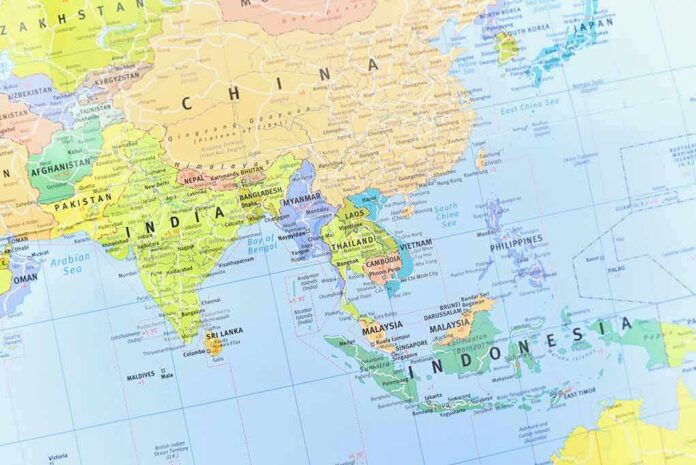
Insider Paper reported 13 magnitude-7-or-greater earthquakes worldwide by October 22, 2026, drawing attention to a fast pace of strong events. The list includes a shallow, powerful magnitude 7.8 earthquake in the Flores Sea near Indonesia on August 14, which shows the year is not only minor sevens. The United States Geological Survey (USGS) long-term statistics say the world usually sees about 15 to 16 major earthquakes per year, so the partial-year count alone does not prove a surge.
An independent analysis compared 2026 through August 28 with the same date across years since 1995. The report found 11 events in 2026 by that date, above an average of 8.8, ranking sixth-highest of 32 years reviewed. That same study flagged two quakes that struck 32 seconds apart and a regional run of three events where no year in 56 years had seen more than one. These features drew interest, yet they do not by themselves show a shared cause.
Why Scientists Say This Still Fits Natural Variation
The USGS explains that earthquake rates rise and fall over time and that these swings are normal. A higher count for part of a year does not mean a huge earthquake is due. Seismologists interviewed this year have also said the number so far looks typical against the long-run average near 16 per year. They add that independent earthquakes can bunch together by chance, a pattern that can happen even when no global process links them.
Experts also warn that comparing a partial-year count to a full-year average can confuse the picture. Using the same dates across many past years would be fairer. That method helps judge whether 2026 is truly unusual or just feels that way because several damaging events hit crowded places and drew heavy coverage. The public sees dramatic images, while many remote but strong quakes pass with little notice.
What We Know, What We Do Not, and Why It Matters
We know the count through October 22 sits near what many would expect by late in the year, and it includes at least one very strong event in Indonesia. We also know a same-date study found 2026 running high by August, with a few odd clusters that deserve a closer look. We do not have a proven global trigger tying these events together, and no agency has shown a physical link among them.
People on the right and the left share a deeper worry here: leaders often tell us “everything is normal,” yet families see risk rising and feel unprotected. Earthquakes do not care about politics. Clear numbers and open methods build trust. Agencies can help by posting a same-date historical dashboard, listing each 2026 event, and explaining any catalog changes. Simple tools like that let citizens check claims themselves and hold institutions to account.
Sources:
insiderpaper.com, earthquake.usgs.gov, milletnews.com, san.com