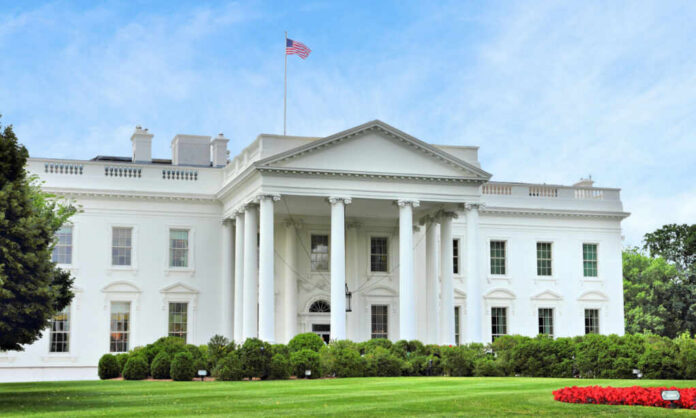
A man injured multiple Secret Service agents during a violent altercation after attempting to breach White House security by jumping a construction barrier near the Treasury building, raising fresh questions about perimeter protection at America’s most secure residence.
Story Snapshot
- Suspect arrested after jumping construction barrier and physically assaulting Secret Service agents in breach attempt
- Multiple agents injured in physical confrontation, though none critically, before suspect subdued and taken into custody
- Incident marks second security breach attempt in weeks, following earlier vehicle-related intrusion effort
- Episode echoes 2014 White House breach that led to Secret Service Director’s resignation and exposed protocol failures
Violent Confrontation at Security Perimeter
A suspect jumped a construction barrier near the Treasury building adjacent to the White House complex, initiating a physical altercation with Secret Service agents that resulted in injuries to multiple officers. The man was ultimately subdued and arrested, with agents transported for medical evaluation as a precautionary measure. Unlike previous fence-jumping incidents that focused on how far intruders penetrated secure areas, this breach highlighted the immediate physical danger to frontline security personnel during confrontations at the perimeter. The construction barrier location suggests ongoing renovations may have created temporary vulnerabilities in established security protocols.
Pattern of Security Failures Emerges
This incident occurred just weeks after another breach attempt involving a vehicle, suggesting a disturbing pattern of repeated security challenges at the White House complex. The recurring breaches expose ongoing vulnerabilities despite the presence of sharpshooters, canine units, and armed agents stationed around the perimeter. Historical precedent from the 2014 Omar Gonzalez intrusion demonstrates how quickly these situations can escalate when an intruder overpowers agents and penetrates interior spaces. That incident resulted in Congressional hearings where officials called the breach “unheard of in recent decades” and led to the resignation of Secret Service Director Julia Pierson on October 1, 2014.
Questions About Agency Preparedness
The physical injuries sustained by agents during this confrontation raise legitimate concerns about whether Secret Service personnel have adequate training, equipment, and protocols to handle determined intruders without putting officers at risk. During the 2014 Gonzalez breach, critics highlighted “glaring deficiencies” in response protocols after the intruder overpowered a female agent at the North Portico and penetrated deep into the White House before being tackled. Congressional oversight following that incident revealed the Secret Service had deemed Gonzalez non-threatening after an earlier August 2014 arrest where he carried a hatchet to the fence. These recurring failures suggest systemic problems within the agency charged with protecting the President and first family, eroding public confidence in federal security apparatus.
Accountability and Institutional Reform
The 2014 breach resulted in serious consequences: Gonzalez pleaded guilty in March 2015 to felonies including assaulting a federal officer and received a 17-month prison sentence in June 2015. Yet despite leadership changes, internal reviews, and promises of enhanced security measures, breaches continue to occur with troubling regularity. This latest incident demonstrates that construction projects and temporary barriers may create exploitable gaps that determined individuals can leverage. For Americans already frustrated with government incompetence and waste, these repeated security failures at the nation’s most protected residence represent another example of institutional dysfunction. The question remains whether Secret Service leadership will implement meaningful reforms or simply conduct another round of investigations that produce minimal lasting change while agents continue facing unnecessary physical danger on the front lines.
New: Man Injures Secret Service Agent As He Attempts to Breach White House Complexhttps://t.co/Oxcxaqtled
— RedState (@RedState) April 16, 2026
The suspect remains in custody facing likely federal charges including assaulting federal officers, while the injured agents recover from their injuries. The Secret Service has not yet released details about what motivated the breach attempt or whether the suspect has any history of mental illness or prior encounters with law enforcement, leaving critical questions unanswered about how to prevent similar incidents in the future.
Sources:
2014 White House intrusion – Wikipedia
Report: White House Intruder Overpowered Secret Service Agent, Was Almost Inside – Fox News
White House Intruder Prompts Secret Service Critics to Pounce – CBS News