President Trump signed an order to rename Lake Ontario as “Lake America,” turning a trade fight with Canada into a federal naming change that agencies must now follow.
Story Snapshot
- Trump issued Executive Order 14420 to direct U.S. agencies to use “Lake America.”
- The White House linked the move to a trade dispute with Canada.
- Canada rejected the change and said it will keep using “Lake Ontario.”
- Federal naming rules apply at home; they do not bind other countries.
What The Order Does Inside The United States
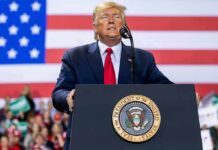
On August 27, 2026, President Trump signed Executive Order 14420 directing federal agencies to use “Lake America” in place of “Lake Ontario.” The order tells the Department of the Interior and the United States Board on Geographic Names to update the federal names database and maps. Agencies must shift contracts, websites, and public materials to the new name. The White House described the change as effective for federal usage, creating a uniform domestic standard.
The United States Board on Geographic Names, a federal body that standardizes names across the government, is the channel for these updates. The order leverages that system to align federal publications and data. This matters for maps, grants, engineering plans, and signs that use federal funds. The change does not rewrite state law or private maps, but it sets the baseline for national products that many groups copy or rely on.
Why The White House Says It Is Making The Change
Trump and aides tied the renaming to a broader trade clash with Canada. They argued that the lake should reflect American identity and that Canada has taken advantage of the United States on trade. The President first previewed the move on Truth Social two days earlier, linking it to “not doing much business with Ontario any longer.” Coverage of the signing captured that the White House pushed a message-heavy step with immediate federal impact.
By using an executive order, the administration turned talk into action inside federal systems. The order directs implementation steps rather than a mere statement. Reporters at the signing quoted Trump saying the change was immediate for federal use. That framing presents the move as a visible piece of the trade stance. Supporters may see a patriotic correction. Critics may see a symbolic jab that does not fix core economic issues.
What This Means Beyond U.S. Borders
Canada’s industry minister, Mélanie Joly, flatly rejected the change, saying, “We’ll always call it Lake Ontario.” Canada treats the lake as a shared waterway and plans no rename. That stance signals a split reality: U.S. federal maps may say “Lake America,” while Canadian and many global references will keep “Lake Ontario.” Expect parallel names on different platforms and atlases for the foreseeable future.
Trump signs order renaming Lake Ontario as ‘Lake America’ https://t.co/crEpZEvokr
— FOX29WFLX (@FOX29WFLX) August 27, 2026
Federal research has long noted that U.S. naming decisions bind federal publications but do not control international or foreign usage. Shared features, like cross-border lakes, often keep different names across systems. That means the order creates a domestic standard but cannot force Canada, international bodies, or private publishers to adopt it. The result is more about signaling and government paperwork than changing what the world says.
How It Lands With Voters Tired Of Political Theater
Americans across party lines worry that leaders chase headlines while core costs keep rising. This episode fits that fear. The government can swap a name fast, yet families still face high bills, border strain, and health system stress. Some will cheer the message to Canada. Others will ask what this does for jobs, wages, or energy prices. The gap between symbolic fights and daily problems fuels the belief that elites play games while citizens carry the load.
Still, federal naming rules shape real products people use. Agencies will spend time and money changing signs, forms, and databases. Map updates cascade into schools, emergency plans, and shipping charts. Those are concrete tasks that can crowd out other work. When Washington focuses on branding moves, both conservatives and liberals see a system that serves politics first, not practical needs. That shared frustration will likely grow as the trade dispute drags on.
What To Watch Next
Watch whether the United States Board on Geographic Names updates the federal database and how fast the change hits federal maps. Look for any legal challenges from states, interest groups, or businesses that rely on cross-border standards. Track Canadian responses in binational boards that manage Great Lakes water quality and shipping. Finally, note whether Congress weighs in to support or limit unilateral renaming on shared features. These steps will show if this is a moment or a lasting split.
Sources:
reuters.com, whitehouse.gov, wsj.com, ckom.com, usatoday.com, livemint.com