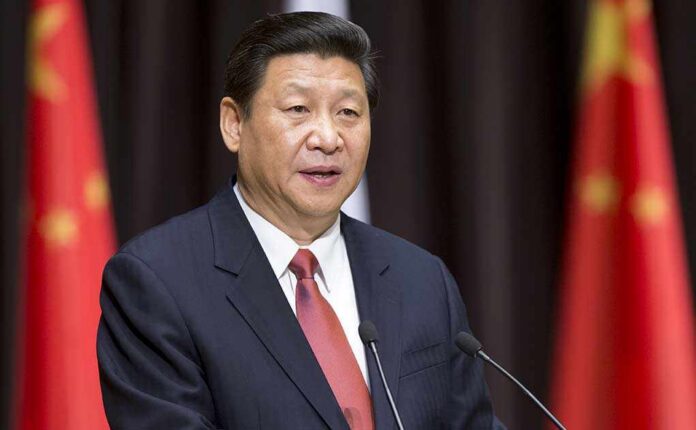
China’s leader publicly urged the United States and Iran to restart talks “as soon as possible,” signaling Beijing’s push to shape the crisis that threatens global energy flows.
Story Highlights
- Xi Jinping called on Washington and Tehran to return to negotiations quickly.
- China’s foreign minister has pressed both sides to show restraint and rebuild talks.
- Beijing’s stance aligns with its focus on keeping the Strait of Hormuz open.
- The message comes as China positions itself as a low-cost diplomatic broker.
What Xi Said And Why It Matters
Chinese state outlet Xinhua reported that President Xi Jinping urged the United States and Iran to return to a path of resolving issues through negotiation as soon as possible. China Daily echoed the message, underscoring that the call was directed at both Washington and Tehran, not just a general plea for calm. The timing matters. Any break in talks raises the risk of missteps, while a return to dialogue lowers the chance of escalation that could disrupt global trade and energy supplies.
Chinese officials have pushed this line for weeks. China’s foreign minister urged both sides to stay rational, show restraint, and revive structured talks, according to a Reuters readout of meetings with Iran’s counterpart. These messages frame China as a steady voice for negotiations. They also set expectations that Washington and Tehran should return to earlier understandings and talk through hard issues rather than trade threats. That framing helps Beijing appear responsible without taking on enforcement duties.
Energy Routes And Global Costs At Stake
United States officials and Chinese officials found rare overlap this year on one concrete point: no country should charge tolls or otherwise restrict commercial shipping through the Strait of Hormuz, the narrow sea lane that carries a large share of the world’s oil and gas. China has separately warned that blockades or curbs in Hormuz run against global interests and urged restraint by all parties. Keeping ships moving through this chokepoint is critical for prices at the pump and the cost of goods worldwide.
China’s own interests are clear. China imports large volumes of crude oil and liquefied natural gas that pass near or through Hormuz. Beijing has explored ways to reduce risk, including talks with Iran on safe passage during tense periods, according to reporting on diplomatic contacts earlier this year. Calls for talks, ceasefires, and normal shipping are low-cost steps that still protect China’s economy. They also offer Beijing a platform to claim a leadership role without sending ships or troops to enforce security.
How Beijing Positions Itself As A Broker
Recent reporting shows China working with partners to nudge both Washington and Tehran back to the table. Reuters sources described Beijing prodding Pakistan to help mediate a path to resumed talks between the United States and Iran. That approach fits a pattern: enlist regional players, encourage restraint, and push for dialogue, while avoiding any promise to guarantee outcomes. This keeps China’s options open if talks stall or either side tests red lines.
🚨 BREAKING: Xi Jinping urges the US and Iran to return to negotiations and revive the Islamabad Memorandum to end the war and reach a comprehensive deal, including on nuclear issues. The push came during White House talks with Trump.…
— Dino Vibes Daily (@DinoLeadingNews) September 24, 2026
For Americans watching gasoline prices and retirement accounts, the stakes are concrete. Disruption in Hormuz lifts shipping costs and energy prices fast, and those costs ripple into food, travel, and home heating. For years, both major parties have promised to keep supply lines open and costs down. Yet crises persist, and families feel the strain first. When great powers trade public messages instead of hard fixes, many see proof that leaders protect their standing more than they solve problems.
What To Watch Next
Watch for signs that Washington and Tehran name envoys, set dates, or agree on a format for talks. Concrete moves matter more than statements. Look for steps that keep ships safe in Hormuz, such as deconfliction channels or shared notices to mariners. Track whether China backs its words with pressure on partners, or with support for specific de-escalation measures. If talks restart, markets may calm. If they stall, expect more risk premiums in fuel and shipping, and more pressure on household budgets.
Sources:
insiderpaper.com, globaltimes.cn, en.yenisafak.com, en.chinadiplomacy.org.cn, reuters.com