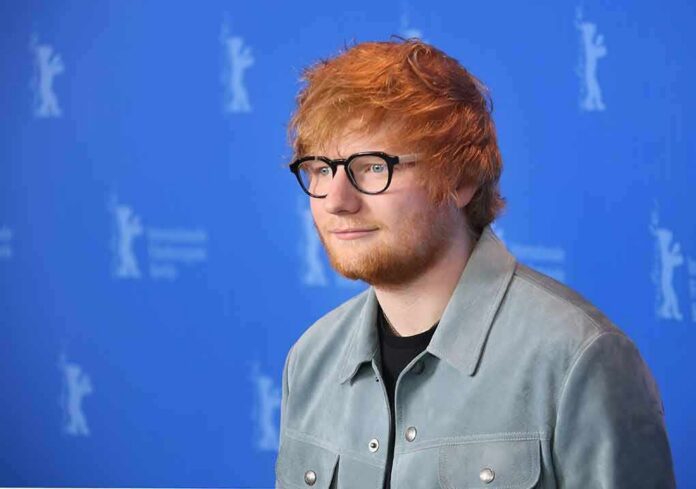
Ed Sheeran opened his Philadelphia show with a clear apology and a blunt admission: he made mistakes handling Macklemore’s removal, and he is “so, so sorry.”
Story Highlights
- Sheeran said venues pushed the promoter to drop Macklemore after “Free Palestine” remarks.
- Sheeran told fans the promoter, not he, made the call, and he regrets missteps.
- All remaining opening acts quit in protest, deepening the tour crisis.
- Macklemore defended his speech and said it was not anti-Jewish.
Sheeran’s Onstage Apology and Core Message
Ed Sheeran addressed the crowd in Philadelphia at his first show since the controversy. He said the past week involved hard choices and that he made mistakes. He apologized to fans and stressed that his concerts should feel human and unifying, not political. Sheeran said he tries to avoid weighing in on political issues from the stage. He added that the conflict has caused great pain, and he wants shows to be safe places for everyone.
Sheeran told fans the tour crisis grew after Macklemore said “Free Palestine” during two New Jersey shows. He said venue operators informed the tour that they would not host events with Macklemore on the bill. He said the promoter, not he, removed the rapper, and Macklemore’s contract sat with the promoter. He said he did not want to strand crews or fans who had planned for months. He again said he is learning and is sorry for errors.
How Pressure Moved Through the Live-Music Chain
Reports showed how the controversy traveled from stage to venues and then to the promoter. Venue owners signaled they would block shows if Macklemore stayed, and the promoter then cut him from the lineup. That sequence left Sheeran defending a process he did not control, while still taking the heat as the headliner. This is common in large tours where owners, sponsors, and promoters weigh brand and safety risk first.
After Macklemore’s exit, the crisis deepened. Several supporting acts quit in solidarity, leaving Sheeran without openers. News outlets described a scramble to keep dates on track as pressure rose online and off. The public debate split along free speech, safety, and antisemitism concerns. Fans with tickets reported feeling torn and confused by who decided what and why, as explanations rolled out in parts across the week.
Macklemore’s Defense and the Meaning Debate
Macklemore posted statements defending his remarks. He said “Free Palestine” is not an attack on Jewish people. He said opposing war, apartheid, or genocide does not target Jews. He claimed one reason he joined the tour was to speak those words in major venues. He also described a painful disagreement with Sheeran but said they remained respectful in private talks about the fallout.
Jewish groups criticized Macklemore’s speeches at the shows. Critics called the performance a one-sided political message during a pop concert. Supporters countered that art has always carried protest, and stadiums should not silence it. That push and pull put Sheeran in the middle of a culture fight he said he did not seek. He told fans his goal is unity, not picking sides in a geopolitical argument.
Why This Story Resonates Beyond Music
This clash shows how a few gatekeepers can change plans for tens of thousands of ticket holders. Venue owners and promoters often move first to limit risk. The headline artist then must explain outcomes shaped by contracts and safety rules more than personal views. That system can leave audiences feeling decisions come from distant boardrooms, not the people they paid to see perform.
ED SHEERAN ADDRESSES GAZA AT PHILADELPHIA CONCERT AFTER TOUR WITHDRAWALS
Ed Sheeran took to the stage last night in Philadelphia, following the controversy that unfolded since his supporting acts withdrew in solidarity with his former opener Macklemore, who was dropped from the…
— Worldwide News Network (@WorldwideNNX) September 20, 2026
Americans across the spectrum see a pattern here. People feel powerful interests decide what can be said on big stages, while regular fans get the fallout. Some see censorship. Others see steps to protect communities from hate. Many see a lack of clear, timely answers. Sheeran’s apology tried to own mistakes without claiming control he did not have. That tension—between speech, safety, and who holds real power—will keep shaping shows long after this tour ends.
Sources:
youtube.com, bbc.com, pbs.org, abcnews.com, cnn.com