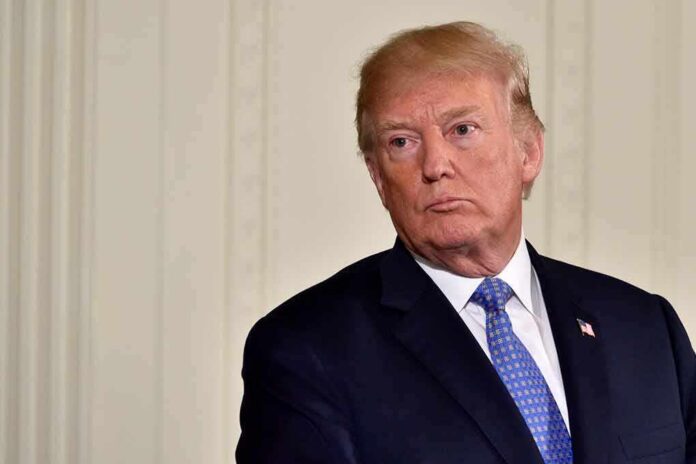
After a week of fierce backlash, President Trump canceled the Pentagon’s plan to livestream a firing-squad execution that officials had said would deter future attacks.
Story Snapshot
- Trump ended a Pentagon-approved plan to broadcast Nidal Hasan’s execution after bipartisan criticism.
- Defense leaders first said the public could watch to show “serious consequences” for violent acts.
- Hasan’s December 3 execution remains on schedule after Trump previously approved it.
- Officials offered no public evidence that livestreaming would deter violence, fueling pushback.
What Changed: From Planned Livestream to Full Reversal
On October 8, Defense Secretary Pete Hegseth said the military would let the public watch Nidal Hasan’s execution to show “serious consequences” for such crimes, and a Pentagon official said it would be livestreamed. Days later, President Trump reversed course and canceled the broadcast after criticism from both parties. He said people did not want to watch the death, even while noting he believed a stream might have been a deterrent.
The quick swing exposed a split inside the government. Officials initially framed the livestream as transparency and deterrence, and news reports said Trump had approved the idea before the reversal. The change came after outside pressure and questions from legal experts, religious leaders, and lawmakers. The result left the core facts intact—Hasan will be executed—but ended the plan to show it to the public in real time.
Key Facts About the Case and the Execution Plan
Nidal Hasan was convicted for the 2009 shooting at Fort Hood, where 13 people were killed. National Public Radio reported that Trump approved a firing-squad execution and that the Army set the date for December 3 at Fort Hood, now Fort Cavazos. The Pentagon later told reporters the event would be livestreamed and promised more details on how it would work, but those plans never became public before the cancellation.
The public rationale focused on sending a message. Hegseth said people must see consequences and vowed to make the event public, while the Pentagon stated the execution would be livestreamed. However, officials cited no studies or data showing that broadcasting an execution reduces violent acts or terrorism. That gap drew strong criticism and raised questions about turning punishment into a spectacle.
Why the Backlash Landed: Deterrence, Dignity, and Risk
Lawmakers and advocates argued a livestream could harm victims’ families, aid extremist propaganda, and violate basic standards of dignity. Reuters reported a wave of bipartisan criticism, and Trump cited opposition from “many very good and well meaning people” in canceling the stream. Skeptics also pointed to the lack of evidence that a public broadcast adds deterrence beyond the death sentence itself, a point echoed by legal scholars in coverage of the debate.
Trump, after bipartisan backlash, cancels livestream execution of Fort Hood shooter https://t.co/EpNiCcKsTg
— Jeffrey A. Setaro (@jasetaro) October 15, 2026
The clash highlighted a deep worry shared across left and right: that government leaders chase headlines instead of building sound policy. The plan appeared first, the details later. There was no released risk review on martyrdom or platform rules, and no clear legal basis for mass viewing beyond normal witness access. The fast reversal reinforced concerns that decisions can be made for show, then undone when the reaction turns hot.
What This Means Going Forward
Hasan’s execution will proceed as scheduled, but the public will not see it online. The episode leaves open big questions. Can “transparency” justify mass broadcasting of state force? Do public displays deter, or do they damage public trust? If the government wants to claim deterrence, it will need to publish evidence and clear rules, not just promises. Without that, both conservatives and liberals will read this as more proof that Washington reacts first and plans later.
Sources:
politico.com, abc.net.au, cnn.com, bbc.com