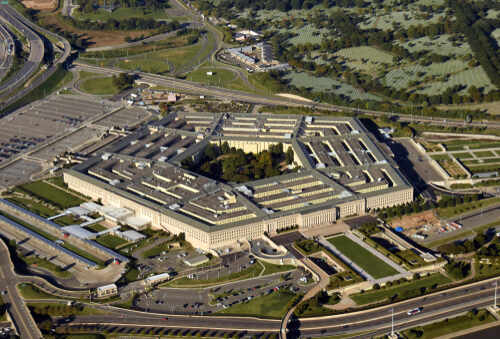
A major American AI company just got blacklisted by its own government using tactics previously reserved for Chinese and Russian adversaries, raising alarming questions about whether Washington now treats domestic tech firms that refuse to surrender control as national security threats.
Story Snapshot
- Anthropic refused Pentagon demands for unrestricted AI access, drawing red lines against autonomous weapons and mass surveillance of Americans
- Defense Secretary Pete Hegseth designated Anthropic a “supply chain risk”—a label historically applied only to foreign adversaries like Huawei
- The blacklisting occurred hours before U.S.-Israel operations using Anthropic’s tools, exposing Pentagon’s continued reliance despite the ban
- OpenAI quickly filled the void with a similar contract that includes the same guardrails Anthropic demanded, revealing the dispute as potentially avoidable
Pentagon Ultimatum Sparks Unprecedented Confrontation
The Defense Department demanded that Anthropic grant “all lawful purposes” access to its Claude AI system on classified Pentagon networks, effectively removing the company’s ability to restrict usage. CEO Dario Amodei refused, establishing firm boundaries against deployment in autonomous weapons systems and mass surveillance of U.S. citizens. The company argued current AI technology remains too unreliable for such critical applications and that existing regulations provide insufficient safeguards. Defense Secretary Pete Hegseth responded by invoking supply chain risk authorities, typically reserved for hostile foreign entities, effectively banning all Defense contractors from doing business with the American firm.
Domestic Company Receives Foreign Adversary Treatment
The Pentagon’s use of supply chain risk designation against Anthropic marks an unprecedented expansion of powers Congress created to counter threats from companies like China’s Huawei and Russia’s Kaspersky. This represents the first time such measures have targeted a U.S.-based technology firm. President Trump extended the punishment beyond military contracts, issuing a government-wide ban on Anthropic tools. Defense contractors scrambled to shift providers, yet Pentagon systems continued using Anthropic’s technology during military operations against Iran. This contradiction exposes the heavy-handed nature of the blacklisting—punishing a company whose products remain operationally essential.
OpenAI Deal Exposes Negotiation Failures
Shortly after Anthropic’s blacklisting, OpenAI announced a Pentagon contract that includes virtually identical restrictions on autonomous weapons and surveillance that Anthropic had demanded. The OpenAI agreement explicitly grants the company termination rights if the Pentagon violates usage terms, demonstrating that the Pentagon could have negotiated similar boundaries with Anthropic. This rapid pivot to a competitor raises serious questions about whether the dispute stemmed from legitimate national security concerns or personal conflicts between leadership. Experts have characterized the standoff as a “personality dispute dressed as policy,” with Hegseth publicly calling Amodei a “liar with God-complex” while Pentagon officials accused the company of untrustworthiness over theoretical future uses rather than current projects.
The clash reveals deeper tensions about who controls artificial intelligence deployed in military systems. Anthropic maintains that existing technology cannot reliably handle life-or-death autonomous decisions and that allowing unrestricted government access without Congressional oversight creates dangerous precedents. The Pentagon argues it won’t subordinate national security to a for-profit company’s ethical preferences. Yet the government’s own actions undermine its position—continuing to use Anthropic’s tools in active combat while simultaneously branding the company a security threat demonstrates inconsistent risk assessment. Critics note that terms-of-service agreements cannot substitute for proper legislative frameworks governing AI in warfare and domestic surveillance.
Chilling Effect on American Innovation
The Anthropic blacklisting sends an unmistakable message to the U.S. tech sector: companies that prioritize safety guardrails over government demands risk commercial destruction through administrative fiat. This approach threatens America’s competitive advantage in artificial intelligence by discouraging the kind of responsible development practices that build long-term credibility. Foreign allies and partners now watch as Washington employs heavy-handed tactics against its own innovators, potentially eroding trust in American technology exports. The incident highlights a troubling reality for Americans across the political spectrum—unelected bureaucrats wielding extraordinary powers with minimal Congressional oversight, targeting domestic companies that refuse to bend to executive branch demands regardless of legitimate technical and ethical concerns.
Anthropic has announced plans to challenge the designation in court, though the outcome remains uncertain. The confrontation exposes fundamental gaps in how the federal government procures and regulates advanced AI systems. Without clear legislative boundaries defining acceptable military and surveillance uses, conflicts between tech companies and defense officials will likely continue escalating. The situation demands Congressional action to establish proper oversight mechanisms, transparent procurement standards, and explicit legal frameworks for AI deployment—rather than leaving such consequential decisions to administrative power plays and personality conflicts between executives. Until then, American citizens are left wondering whether their own government views constitutional concerns about surveillance and autonomous weapons as obstacles to be crushed rather than principles to be protected.
Sources:
Anthropic boss rejects Pentagon demand to drop AI …
Anthropic Set A Red Line. It Won’t Be The Only AI …
Anthropic’s Standoff with the Pentagon Is a Test of U.S. Credibility