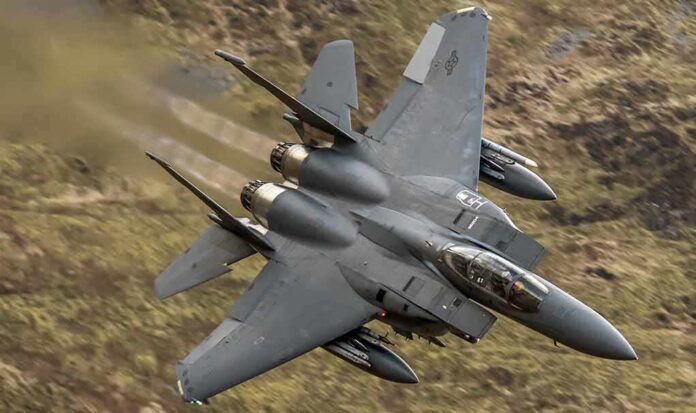
In front of thousands, a Greek F-4 Phantom crashed during an Athens air show, killing both pilots, as investigators search for the cause.
Story Snapshot
- A Hellenic Air Force F-4 Phantom crashed at Tanagra during Athens Flying Week.
- Authorities reported no injuries among spectators despite fire and heavy smoke.
- Officials confirmed both pilots died; the cause is under investigation.
- Air show crashes are rare but recur, often tied to low altitude maneuvers or mechanical failure.
What Happened at Tanagra Air Base
Greek officials said a two-seat F-4 Phantom crashed Saturday at Tanagra air base, north of Athens, during the Athens Flying Week show. Witnesses saw thick black smoke after impact. Organizers halted performances as emergency crews responded. Early reports said the fate of the two pilots was unknown while search and rescue teams worked the crash zone. Later updates from multiple outlets reported the crash occurred in view of several thousand spectators at the event.
Authorities said the crash started a fire but did not harm spectators, who were kept behind safety lines. The twin-seat aircraft went down away from the crowd area, which likely reduced injuries on the ground. The Hellenic Air Force secured the site and began a standard accident inquiry. Officials did not release the pilots’ names at the time of initial reports, in line with notification protocols for families and unit commanders.
Officials Confirm Pilot Deaths and Open Inquiry
Initial briefings focused on rescue efforts and public safety. As response shifted to recovery, Greek authorities confirmed that both aircrew members died in the crash. Investigators will examine flight data, maintenance records, and video from the air show to determine what failed and why. That process often takes weeks or months, as teams cross-check engine performance, control inputs, and any reported warnings or anomalies before impact.
The F-4 Phantom, a Vietnam-era design still flown by Greece, has a long service life and demanding maintenance needs. Greece has lost F-4s before in non-show training flights, including a fatal crash in 2023 that led to a broad review of procedures and aircraft condition. This background shows the platform can still meet missions but leaves less room for error during low altitude displays compared with newer jets with modern safety systems.
Why Air Show Risk Management Matters
Medical and safety reviews of air show accidents over the past decades show that fatal outcomes often link to pilot error, aerobatics at low altitude, or post-crash fire. Those studies also find accidents are infrequent but persistent year to year, which keeps pressure on planners to set strict envelopes and deconflict routines in advance. That includes clear lines between performers and crowds, altitude floors, and cancellation triggers when conditions change.
🚨 TRAGEDY AT ATHENS AIR SHOW: TWO PILOTS KILLED
A Greek Air Force F-4 Phantom fighter jet crashed Saturday, September 5, during the Athens Flying Week air show at Tanagra Air Base, about 60 kilometers (37 miles) north of Athens. The crash happened during a low-altitude maneuver… pic.twitter.com/bloMjIbvl6
— Mighty News (@Mighty__News) September 5, 2026
Large public events promise excitement, but they also rely on trust that leaders put safety first. Both conservatives and liberals understand that when oversight slips, the public pays the price. Transparent investigations, timely public updates, and clear fixes help restore that trust. Families of the fallen deserve facts, not spin. Spectators deserve confidence that safety plans match the risks of flying aging jets close to the ground. Getting that right honors both the pilots and the public.
Sources:
insiderpaper.com, ksl.com, timesofisrael.com, greekreporter.com, reuters.com