The U.S.-backed Board of Peace unveiled a six-month, $2.45 billion plan to jump-start Gaza’s recovery with 66 fast-start projects across housing, health, infrastructure, security, and jobs.
Story Snapshot
- The plan maps $2.45 billion for 66 short-term projects to stabilize Gaza.
- Spending targets temporary housing, rubble removal, hospital repairs, utilities, and economic recovery.
- Officials aim to channel donor funds through a new mechanism tied to the Board of Peace.
- Independent estimates say full reconstruction may cost about $71 billion over many years.
What Was Announced And Why It Matters
Board leaders said the plan will cover the first six months of recovery and set basic services back on line. The proposal totals $2.45 billion and lists 66 projects. These include temporary housing, clearing debris, repairing hospitals, restoring water and power, and jump-starting small businesses to create jobs. Supporters argue this “day one” package can reduce chaos and save lives. They also say it can build trust by showing fast, visible gains for families who lost homes and income.
The Board of Peace described the need as immense and framed the plan as a first step, not a full rebuild. Reports say the board will seek pledges from partners and route aid through a new fund to speed delivery and improve oversight. Backers point to a clear menu of projects as a way to avoid waste. They say defined budgets and timelines can help donors track progress and hold implementers to results on the ground.
Where The Money Fits In The Larger Picture
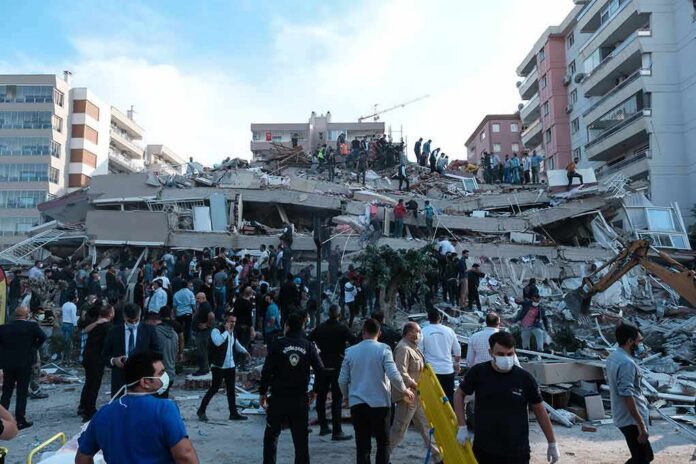
Independent damage and needs assessments place the total recovery price much higher than this first package. A synthesis by the World Bank, the European Union, and the United Nations estimates around $35.2 billion in physical damage and puts total recovery and reconstruction needs near $71.4 billion. Experts warn that rebuilding will likely take decades and require steady funding. They also say early wins must link to long-term plans for housing, power, water, schools, and local services.
Analysts stress that money alone will not deliver results if security, permits, and local buy-in are missing. Research on post-conflict rebuilding in Gaza finds that secure access is the key condition for success. Without it, materials stall, projects halt, and public trust erodes. Past rounds after earlier wars saw delays when borders tightened or when rival authorities clashed. That history shapes expectations about how fast crews can clear rubble, repair lines, and stand up clinics and markets.
How The Plan Would Work On The Ground
The six-month slate mixes visible fixes and enabling steps. Temporary housing aims to move families out of tents. Rubble removal opens streets for ambulances and repair trucks. Hospital and clinic repairs focus on triage care, power, water, and supplies. Utility work targets key nodes to stabilize water pumps and the electric grid. Economic measures seed small firms, reopen workshops, and rebuild supply chains so people can earn again and buy what they need.
Trump's Board of Peace unveils a 2.45 billion Gaza recovery plan, nearly a year after Israel and Hamas agreed to a ceasefire ending two years of war. pic.twitter.com/aHVzWj1UBA
— War Alerts (@WarNewsGlobal) September 23, 2026
The board’s donor channel is designed to speed cash to teams that can start right away. Officials say they want clear reporting to cut waste and corruption. They seek to align projects with a larger map of damage, so repairs do not conflict or repeat. Supporters frame this as practical governance: fix what you can now, in the places where crews can reach, while planning for bigger rebuilds when conditions allow.
What To Watch Next
Donor follow-through will test the plan. Pledges must turn into contracts and then into crews on site. Access and safety will decide how fast teams can move heavy gear and materials. Local legitimacy will matter as well. Community leaders need a voice so projects match real needs and do not spark new tensions. Independent estimates suggest that even strong early progress will cover only a small share of full recovery needs.
For Americans, the stakes run beyond foreign policy. Voters on the right and left see waste and drift when big plans stall. They want clear goals, timelines, and proof that aid reaches people, not middlemen. This six-month plan tries to answer that with a public project list and a funding channel tied to oversight. The coming weeks will show whether that promise turns into steady work, safer streets, and the first lights back on for Gaza’s families.
Sources:
insiderpaper.com, politico.com, english.ahram.org.eg, jfeed.com, bbc.com, tandfonline.com, oxfamitalia.org