As Washington and Tehran trade blows over the Strait of Hormuz, both sides are hiding basic truths about who is dying and why.
Story Snapshot
- Iran says eight of its military personnel were killed in new U.S. strikes on southern Iran.
- U.S. commanders describe the strikes as hitting “infrastructure,” not people, and give no death toll.
- Explosions and fires around Bandar Abbas show real damage, but independent casualty facts are still missing.
- The fight over numbers fits a familiar pattern where war‑time governments control what the public is allowed to know.
What Iran and the U.S. say happened in southern Iran
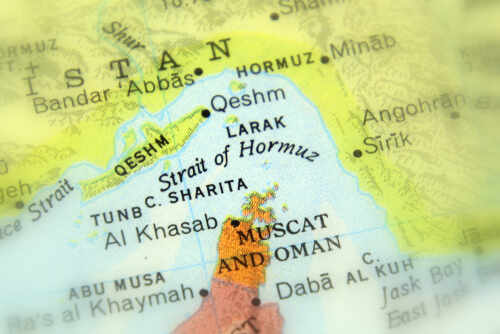
Iran’s military and state media say **eight Iranian military personnel were killed** in overnight U.S. strikes on southern Iran, including around the port city of Bandar Abbas. These early claims appear on official social channels and are echoed by several regional outlets, which describe the dead as members of Iran’s air and naval forces. At the same time, U.S. Central Command has described recent operations near Bandar Abbas as strikes on drone control sites, air defenses, and surveillance systems linked to attacks on ships in the Strait of Hormuz.
Western coverage of these latest strikes focuses on explosions, fires, and damage, but stops short of confirming any death toll. The British Broadcasting Corporation (BBC) reports blasts in Bandar Abbas and other southern areas, and notes that Iranian state media has reported explosions and injuries from shrapnel in nearby towns. An article shared by Firstpost cites five people killed and fourteen injured in two blasts in Bandar Abbas and Ahvaz, showing that at least some fatalities are being reported on the ground, even as larger outlets still flag the numbers as “unconfirmed.”
Why casualty numbers are contested and unclear
U.S. military statements frame the strikes as limited, aimed at military systems, and part of a “tit-for-tat” battle over control of the Strait of Hormuz rather than broad attacks on personnel. That language matters. When commanders say they targeted infrastructure, not people, they shape public perception and may give Americans the sense that war can be clean and low-cost. Iran’s leaders, meanwhile, have strong incentives to highlight “martyrs” in uniform, both to rally support at home and to paint the U.S. as an aggressor that broke a ceasefire memorandum of understanding.
Independent groups have not yet released verified counts for this specific strike, and outlets like Al Jazeera and BBC continue to say there is “no confirmed death toll,” even while noting reports of injuries. This gap between vivid video of burning sites and vague official numbers is not new. In earlier phases of the 2026 war, casualty trackers found thousands of Iranians killed, with more than half being civilians, yet many of those deaths were slow to appear in any official tally. Both sides have learned that controlling casualty numbers helps manage anger at home and blame abroad.
How this fits a larger pattern of managed war and public distrust
The dispute over whether eight Iranian service members died in these U.S. strikes fits a familiar pattern from other clashes in the region. During the 2025 Twelve-Day War between Iran and Israel, local activists and health officials first reported more than a thousand Iranian deaths, but those figures were later revised and never fully confirmed by outside observers. At the same time, the United States often boasted of “zero American casualties” after Iranian retaliatory strikes, a claim repeated by multiple news clips and social posts.
🚨 ISRAEL RAISES ALERT TO HIGHEST LEVEL OVER IRAN AS TEHRAN THREATENS HORMUZ, AND PRESIDENT TRUMP ADDRESSES SOUTHERN LEBANON
🛡️ ISRAEL RAISES ALERT LEVEL OVER IRAN: Israel has raised its alert level to the highest in anticipation of a possible resumption of war with Iran,… pic.twitter.com/bhS1q2lXXx
— Israel Realtime (@IsraelRealtime) July 8, 2026
For Americans across the political spectrum, this should raise red flags. Conservatives who already distrust globalist elites and endless wars see another conflict where Washington sends forces into danger while downplaying costs. Liberals worried about the human toll of “America First” policies see civilians and foreign soldiers killed in the shadows while leaders talk about precision and restraint. Both sides can agree on one thing: when governments fight over shipping lanes and oil flows, ordinary people — from tanker crews to port workers and low-ranking soldiers — pay the price, often without honest accounting.
What it means for the Strait of Hormuz and everyday Americans
The latest strikes around Bandar Abbas are not only about Iran and the United States trading missiles; they are about who controls one of the world’s most important chokepoints for energy. Reuters mapping shows that attacks on Iranian energy infrastructure and shipping routes have already pushed oil prices higher, with analysts expecting them to stay elevated as long as the war clouds hang over the strait. Higher energy costs hit truck drivers, small businesses, and families at home, even as officials in both parties blame each other instead of fixing the problem.
Iran’s foreign minister is now threatening to halt peace talks if U.S. strikes continue, while President Donald Trump says the ceasefire memorandum is “over” and warns that he may be “forced to militarily complete the job.” Those hard lines make it less likely that either side will open their books and share honest casualty numbers. For citizens who already feel the system serves only the powerful, another shadowy war with murky death tolls reinforces the belief that the “deep state” chooses secrecy and spin over straight answers — and that the human cost of these decisions is being carried by people far from the rooms where they are made.
Sources:
insiderpaper.com, aljazeera.com, militaryspend.org, facebook.com, youtube.com, bbc.com, en.wikipedia.org, centcom.mil, instagram.com