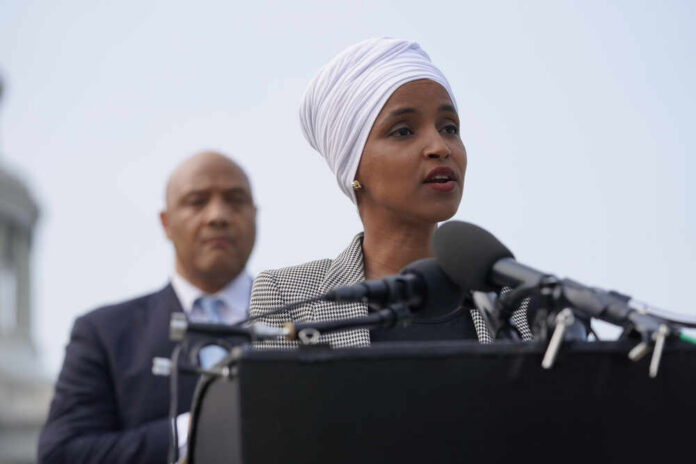
Democratic lawmakers in Minnesota shielded Rep. Ilhan Omar from a subpoena in a massive fraud probe, blocking accountability for billions in taxpayer dollars stolen during the pandemic.
Story Snapshot
- Minnesota House Fraud Committee subpoena motion failed 5-3 on May 6, 2026, one vote short of the required two-thirds majority.
- All three Democratic members voted against subpoenaing Rep. Ilhan Omar over her ties to the Feeding Our Future scandal.
- Omar ignored committee invitations, document requests, and a scheduled hearing, prompting the failed subpoena attempt.
- Omar sponsored the 2020 MEALS Act, which critics say removed fraud safeguards from federal child nutrition programs.
- Trial records name Omar’s office in communications with convicted fraudsters in the billion-dollar scheme.
Subpoena Fails Amid Partisan Divide
The Minnesota House Fraud Prevention and State Agency Oversight Committee voted 5-3 against subpoenaing Rep. Ilhan Omar on May 6, 2026. Republicans held a 5-3 majority, but the power-sharing agreement in the tied House required a two-thirds supermajority of six votes. All three Democrats opposed the motion, effectively stalling the probe into Omar’s connections to the Feeding Our Future fraud. Committee Chair Rep. Kristin Robbins called Omar’s refusal to appear “ghosting” the panel. This outcome protects Omar from compelled testimony or documents at the state level.
Feeding Our Future: Billions in Fraud Tied to Omar’s Legislation
The Feeding Our Future scandal defrauded billions from federal child nutrition funds meant for school meals. Convicted organizer Aimee Bock and associates submitted fake claims through entities like Safari Restaurant. Federal trials revealed communications between fraudsters and Omar’s office staff. Omar sponsored the 2020 MEALS Act, which expanded program access and removed oversight “guardrails,” according to Robbins. Critics argue this legislation created opportunities for the massive theft, undermining safeguards for taxpayer dollars during COVID relief.
Omar Ignores Committee, Democrats Obstruct
Omar’s office received a document request on April 22, 2026, after late April invitations to testify. She failed to appear at an early May hearing and provided no response. The committee sought records on her role amid whistleblower reports and trial evidence. Democratic votes blocked enforcement despite verified facts of non-compliance. Rep. Isaac Schultz described Minnesota’s fraud as an “industrial scale web,” urging expansion beyond this case to issues like Medicaid. Federal DOJ and FBI hold primary jurisdiction but have secured convictions without state subpoena power.
GOP leaders like Rep. Walter Hudson stated it is “very likely” Omar involved in the billions fraud. Chair Robbins affirmed continued investigation of whistleblowers despite stalled hearings. This partisan block in a tied House highlights elite protection over accountability, frustrating citizens on both sides who demand transparency from untrustworthy government officials. Taxpayers footed the bill for fraud enabled by lax policies.
Broader Implications for Oversight and Trust
The failed subpoena tests Minnesota’s power-sharing in its 67-67 divided House, setting precedent for minority vetoes on probes. It fuels narratives of partisan loyalty trumping fraud investigations, eroding public faith in institutions. Federal probes continue independently, but state efforts reveal tensions in federal-state cooperation. Long-term, this scrutiny may spur reforms to pandemic-era programs like MEALS, restoring oversight to prevent future abuses and protect the American Dream from elite mismanagement and corruption.
Sources:
Minnesota lawmakers try get Ilhan Omar testify about fraud ties, fail; GOP leader talks next steps
MN fraud committee threatens Rep. Omar subpoena, fails vote