The Justice Department says it charged 11 people across six states for illegal voting and related crimes this month, sharpening a national fight over election integrity and trust in government.
Story Snapshot
- Justice Department press releases detail two waves of cases on September 4 and 14.
- Charges include illegal voting by non-citizens, fraudulent registration, and identity fraud.
- Cases span California, Kansas, Louisiana, Pennsylvania, New Jersey, and Wisconsin.
- Officials say federal and homeland security teams are coordinating enforcement efforts.
What DOJ Announced And Where The Cases Landed
The Department of Justice announced on September 14, 2026 that six people in California, Kansas, and Louisiana were charged with illegally voting, fraudulent voter registration, and identity fraud. Ten days earlier, on September 4, officials said five people in Pennsylvania, New Jersey, and Wisconsin faced similar charges tied to the 2022 or 2024 elections. The combined releases describe alleged illegal voting by non-citizens and attempts to register ineligible voters across multiple jurisdictions, with matters filed as indictments, complaints, or informations.
The September 14 release states that two non-citizens living in Kansas and Louisiana were charged with illegally voting, and that one person in Louisiana was charged with fraudulently registering an ineligible voter. The September 4 update names at least one defendant, Jesus Javier Jurado Garcia of Beloit, Wisconsin, alleged to have voted as a non-citizen in November 2022. The Justice Department’s news page shows these items among a series of press bulletins on enforcement actions this month.
How Federal Officials Frame The Crackdown
Justice Department leaders link these cases to a broader effort to protect elections, coordinated with the Department of Homeland Security. White House materials say the Civil Rights Division is working with homeland security agencies on nationwide actions to safeguard election integrity. The Justice Department’s press office has posted the two enforcement waves and other voting-related items in a centralized feed to highlight ongoing activity. Officials say these steps aim to protect the system while prosecuting alleged violations supported by evidence.
At the same time, the Department’s own guidance explains how prosecutors weigh election cases. Federal manuals emphasize using criminal tools when facts show an effort to corrupt the voting process, and they caution against aggressive steps that could chill lawful voting. That policy backdrop matters because the number of federal election cases is usually small compared with the total elections held nationwide, even when the political debate is loud and heated.
What The Numbers Mean—and What They Do Not
The back-to-back releases point to 11 people charged across six states this month, which the public may see as either proof of a wider problem or as isolated misconduct. The primary sources confirm the charges and locations, but they do not prove guilt; every case begins as an allegation that must be tested in court. The combined “11 in 10 days” summary reflects two dated releases but is not itself a single official line in the documents provided.
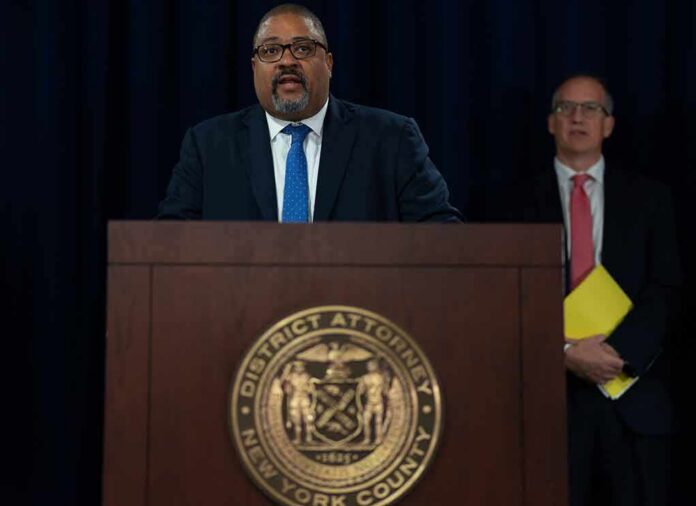
Attorney General Todd Blanche announces DOJ charges against 11 individuals as part of a crackdown on alleged election fraud and fraudulent voter registrations.
— MAJID SIDDIQUI (ماجد صدیقی۔) 🇮🇳 (@meem_se_majid) September 15, 2026
Independent reviews over past years have found that election crimes are charged, but in small numbers relative to the system’s size. Government Accountability Office reporting shows election-fraud cases form a tiny share of federal workloads over time, underscoring how rare proven cases tend to be. That history cuts both ways in today’s debate: it suggests the system catches some rule-breakers, and it warns against claiming that a handful of charges alone proves widespread breakdown.
Why Voters Across The Spectrum Care
Voters on the right worry that weak checks let ineligible ballots dilute lawful votes. Voters on the left worry that high-profile sweeps can scare eligible citizens from the process. Many Americans in the middle see a different issue: they believe institutions talk tough but fix little. These new cases land in that trust gap. Officials are bringing charges, yet few details beyond press summaries are public, and defense responses are not yet visible in the record.
That information deficit feeds suspicion about motives, especially in a polarized climate. People want clear proof that rules are enforced fairly and consistently, not just headlines. A credible path forward is simple but hard: publish the charging papers and key affidavits, track outcomes to conviction or dismissal, and show how errors are corrected. The Justice Department’s public repository and White House pages create that scaffold; steady, transparent updates would fill it in.
Bottom Line For Readers
Two official releases in September describe 11 people charged across six states for illegal voting, fraudulent registration, or identity fraud. The facts so far are allegations, not verdicts. The cases support a core idea most Americans share: laws should be enforced, and the vote should be protected. The test now is whether the government can prove each case in court and report results clearly. Trust follows facts, not slogans—on both sides of this long fight.
Sources:
wltreport.com, justice.gov, lockhaven.com, ronjohnson.senate.gov, whitehouse.gov, newsweek.com