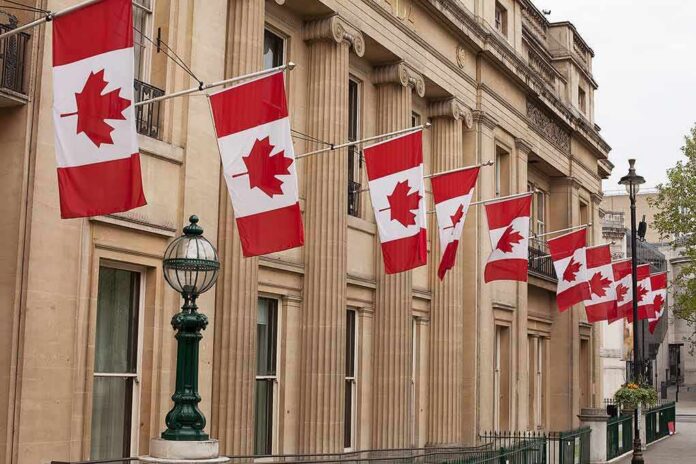
Canada’s military now requires chaplains to replace public prayers with “spiritual reflections” at mandatory ceremonies, igniting a national fight over faith and state power.
Story Snapshot
- The Canadian Armed Forces ordered neutral “spiritual reflections” at official events where attendance is required.
- The rule covers major ceremonies like change-of-command and Remembrance Day observances.
- Faith leaders say the policy sidelines chaplains’ core religious role.
- Defence officials say private prayer and voluntary worship remain allowed.
What the new military rule actually says
On July 29, 2026, the Canadian Armed Forces issued Instruction 03/26. It tells chaplains that when they speak at official events where people are expected or ordered to attend, they must give a “spiritual reflection” instead of a faith-specific prayer. The document says speakers, acting for the Government of Canada, should not use words, actions, or symbols tied to one religion in those moments. Leaders say the aim is state religious and spiritual neutrality during public duties.
The instruction applies to high-profile military traditions. That includes graduation parades, change-of-command ceremonies, ship commissionings, honours events, mess dinners, and Remembrance Day commemorations. The order also supersedes a 2023 chaplain directive, signaling a broader and firmer rule for all members, not just chaplains. The policy tells commanders and members they have a moral, ethical, and legal duty to maintain neutrality when speaking in an official role.
How the government defends the policy
The Department of National Defence links the change to Canada’s diversity and to court rulings on state neutrality. Officials say chaplains can still offer prayer, religious rites, and pastoral care in voluntary settings or when someone asks for it. They say the policy does not limit any member’s beliefs or their ability to hear and interpret a reflection through their own faith lens. The stated goal is to make ceremonial moments bring people together, regardless of belief.
Government materials say neutrality means the state does not favour one faith or non-belief over another in official settings. The policy argues that shared public ceremonies should include everyone without pressure to join a specific prayer. The rule focuses on when speakers act for the military and the government. It does not speak to private prayer or worship spaces on bases. Officials frame this as expanding participation, not shrinking religious freedom.
Why faith leaders and conservatives object
The Catholic Register and other outlets report that bishops and evangelical groups view the instruction as a step that removes prayer from central military rituals. They argue chaplains exist to offer faith-specific care and words that many service members expect during solemn moments. They say a “neutral” script weakens tradition and erases a key part of remembrance and unit identity. Some warn such policies can punish open faith while claiming to protect it.
Bishops, Evangelicals, and Conservatives Push Back on Canada’s Military Prayer Banhttps://t.co/kWxx8FPAll#canada #religion #faith #prayer #canadianmilitary
— Recursion Media Group (@GroupRecur22152) September 16, 2026
Critics also worry the rule’s broad language on “words, actions, or symbols” could chill simple expressions tied to a faith at public events. They note the absence of detailed enforcement guidance. They ask what happens if a chaplain uses a traditional prayer at a Remembrance Day ceremony, or if a unit invites a specific blessing. Clear, public answers on discipline or exemptions have been limited in the record now available.
What this fight tells us about power and trust
This clash shows how institutions often answer cultural conflict by narrowing public speech rather than by allowing open choice. Supporters call that fairness. Opponents call it erasing heritage. Both sides say they defend inclusion, yet many citizens on left and right see a pattern: rules are set far from local communities, and leaders offer top-down fixes that miss real needs. When rules change sacred moments, people read it as a sign elites no longer listen.
For Americans watching from across the border, the stakes feel familiar. People want a public square that respects belief and non-belief without silencing conscience. Canada’s policy draws a hard line at mandatory events while leaving private practice intact. Whether that balance holds in practice will depend on enforcement, transparency, and whether commanders respect plural faith needs as strongly as they enforce neutral scripts. That outcome will reveal if neutrality serves people—or only the bureaucracy.
Sources:
thegatewaypundit.com, catholicregister.org, ground.news, canada.ca, vaticannews.va