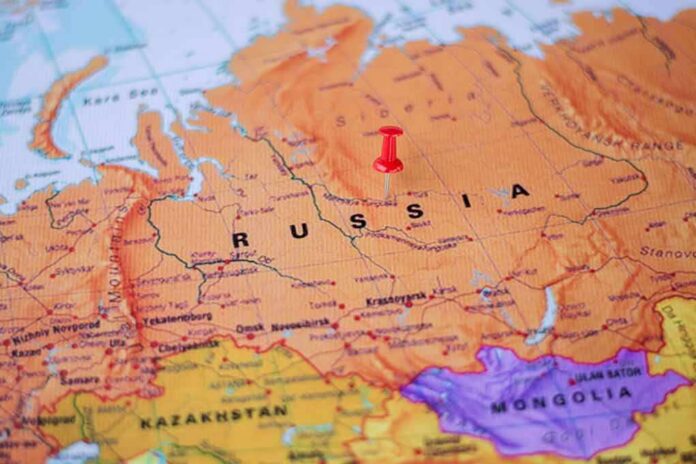
Mongolia ordered health surveillance along its Russian border after reports that a Siberian lab worker linked to plague research died, while keeping crossings open and risk rated low.
Story Snapshot
- Mongolia launched border health surveillance but kept crossings open in Selenge Province.
- The move followed reports of a lab technician’s death tied to a plague institute in Irkutsk, Russia.
- The World Health Organization said testing is underway and no cause of death is confirmed yet.
- Plague is endemic in the region, and Mongolia and Russia already run joint monitoring programs.
Border Precaution With Normal Operations
Mongolia’s Health Ministry said agencies were instructed to take precautionary steps and maintain surveillance along the Russian border. Officials stressed the current risk level is low. Border posts in Selenge Province continue to operate as normal, with health checks in place. The measure aims to watch for possible spread without stopping trade or travel. This matches standard public health practice during uncertain cross-border events, especially in regions with known animal reservoirs.
The decision came after reports that a 28-year-old technician at a plague research institute in Russia’s Irkutsk region died. International wire services traced the trigger to regional media accounts about the suspected case. Mongolia framed its action as surveillance, not a shutdown. The approach signals vigilance while avoiding panic. It also allows time for lab results and official findings to emerge from Russia before stronger steps are considered.
Cause Under Review, Global Bodies Tracking
The United Nations news service said the World Health Organization is following the situation closely. The report stated that no cause of death has been confirmed and that laboratory testing is underway. That update supports Mongolia’s low-risk posture and targeted checks at border points. It also reflects the information gap that can occur when one country must react to events and testing managed by another country’s health system.
Russian statements referenced pneumonia of unknown origin, which differs from the suspected plague framing in some media. That contrast explains why Mongolia chose surveillance while avoiding closures. Surveillance can catch warning signs early without heavy costs to commerce. It also helps reassure neighbors and partners that border health is being watched, which can calm markets and reduce fear-driven travel shifts.
Why This Region Watches Plague
Plague persists in wildlife across parts of Mongolia and southern Siberia. Joint assessments by Russian and Mongolian experts have documented active natural foci near the border. These natural zones are maintained in rodent populations and their fleas. Authorities on both sides have worked together for years on monitoring and response. That background made it easier for Mongolia to stand up focused screening without reinventing procedures or tools at the crossing points.
🦠 🇷🇺 Russia warned on Wednesday against "false" information as reports emerged of a second suspected case of plague in Siberia, with Washington and Brussels calling for transparency and neighbouring Mongolia tightening health surveillance ➡️ https://t.co/82JZLuVORo pic.twitter.com/eGt8gSUnTu
— AFP News Agency (@AFP) October 7, 2026
State media and regional outlets have highlighted that two-thirds of Mongolia’s land sits within a transboundary plague focus area. Russia recently supplied a mobile lab to help Mongolia diagnose infections near frontier zones. Those facts explain why officials frame the current action as routine vigilance. The measures fit a long-running plan to watch seasonal and local changes in disease activity while keeping daily life, freight, and legal crossings moving.
What It Means For Travelers And Trade
Travelers should expect basic health screening at certain posts, not mass closures. Officials have not announced quarantine orders for crossers or broad limits on freight. Businesses that move goods through Selenge Province should plan for possible brief checks. Governments often choose these targeted steps when a risk is plausible but not confirmed. If tests from Russia rule out plague, Mongolia can scale back quickly. If risk rises, screening offers a head start.
The Bigger Governance Question
Border health steps like this speak to a larger concern many Americans share: governments must be transparent and competent in fast-moving events. People want leaders to protect borders, share facts, and avoid knee-jerk shutdowns that crush small businesses. Mongolia’s choice shows a middle path—watch closely, keep commerce open, and adjust as evidence comes in. In an era when trust is thin, steady moves backed by data beat spin and secrecy every time.
Sources:
insiderpaper.com, arabnews.com, fakti.bg, news.un.org, yahoo.com, nampa.org, tass.com