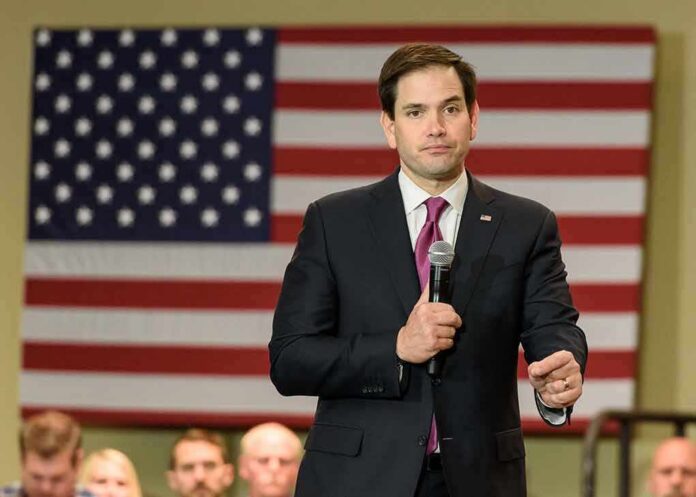
America’s top diplomat openly urged Cubans to contact the Central Intelligence Agency, signaling a rare, public push for secret collaboration and a sharp turn in U.S.–Cuba pressure tactics.
Story Snapshot
- Secretary of State Marco Rubio told Cubans to seek a “discreet partnership” with the Central Intelligence Agency on social media.
- Reports say the Central Intelligence Agency followed with Spanish-language contact guidance for Cubans.
- Cuban officials condemned the move as public recruitment and a bid to destabilize the island.
- Rubio’s message did not explain what cooperation would involve, leaving key details unclear.
What Rubio Said And Why It Matters
Secretary of State Marco Rubio posted on his verified account that “now is the time” for Cubans who want “positive change” to pursue a “discreet partnership with the Central Intelligence Agency”. Rubio framed the appeal around anger over failed promises and corruption in Cuba. The post stands out because senior officials rarely advertise secret cooperation in public. The move suggests the administration is raising pressure on Havana and testing open calls to stir action inside the island.
Rubio did not name a program or show what any partnership would look like in practice. That gap matters. People in Cuba face real risk if they contact a foreign intelligence service. Clear steps, protections, and goals would shape choices. Without them, the pitch is more symbol than plan. Reports say the Central Intelligence Agency later offered contact guidance in Spanish, which points to at least some operational follow-through behind Rubio’s words.
How The Central Intelligence Agency And Havana Responded
Coverage of the Central Intelligence Agency’s follow-on message describes Spanish-language instructions that stressed secrecy for Cubans who might reach out. Guidance reportedly urged use of a secure network, a private browser, and an email not tied to personal data. That advice matches the risks people could face under Cuba’s security services. It also shows that Washington linked the public appeal with specific steps for private contact, even if broader aims remain undefined in public.
Cuba’s government blasted the effort. A deputy foreign minister said the United States was now “resorting to public recruitment for the Central Intelligence Agency”. State-linked coverage framed the appeal as proof of plans to destabilize the island and mocked it as a sign of United States weakness. These reactions fit a long pattern. Havana often treats outside support for dissidents as foreign interference. The sharp response also hints that the message reached Cuban officials and may harden their stance.
Why This Approach Raises Old Questions
Public calls for covert help are rare because secrecy is the point of covert action. Critics noted that promoting collaboration in the open can backfire by alerting security forces and stirring backlash. History adds weight here. United States efforts to force change in Cuba have a mixed record. The failed Bay of Pigs invasion showed the danger of betting on a popular uprising without solid intelligence on real support inside the island. That lesson shapes today’s doubts.
🔥The “CIA” Burns 🔥
Secretary of State Marco Rubio @SecRubio has called on those seeking positive change in Cuba to act now through a discreet partnership with the CIA. After more than six decades of one-party communist rule, Cubans continue to face the results of that system:…
— DAILY INTEL UPDATES (@Ericdavis1343) October 24, 2026
Rubio’s appeal also taps into wider frustrations at home. Many Americans on the right and left feel elites talk tough abroad while problems at home fester. People worry about costs, secrecy, and accountability when Washington leans on intelligence tools. Supporters will see a chance to help Cubans suffering under a one-party state. Skeptics will ask who benefits, what success means, and how this serves the American people. The lack of public details leaves those core questions open.
What To Watch Next
Watch for any formal State Department or Central Intelligence Agency briefings that define legal channels, protections, and limits for Cuban contacts. Look for Cuba’s next steps, including arrests or new internet controls, which would show real impact on the ground. Track whether allies back Washington’s approach or keep their distance. Above all, watch if the administration links this push to concrete goals and measures of success, not just a headline. Clear aims can guide action and prevent drift.
Sources:
cbsnews.com, afp.com, thehill.com, payments.jpost.com, en.cibercuba.com, ibtimes.co.uk